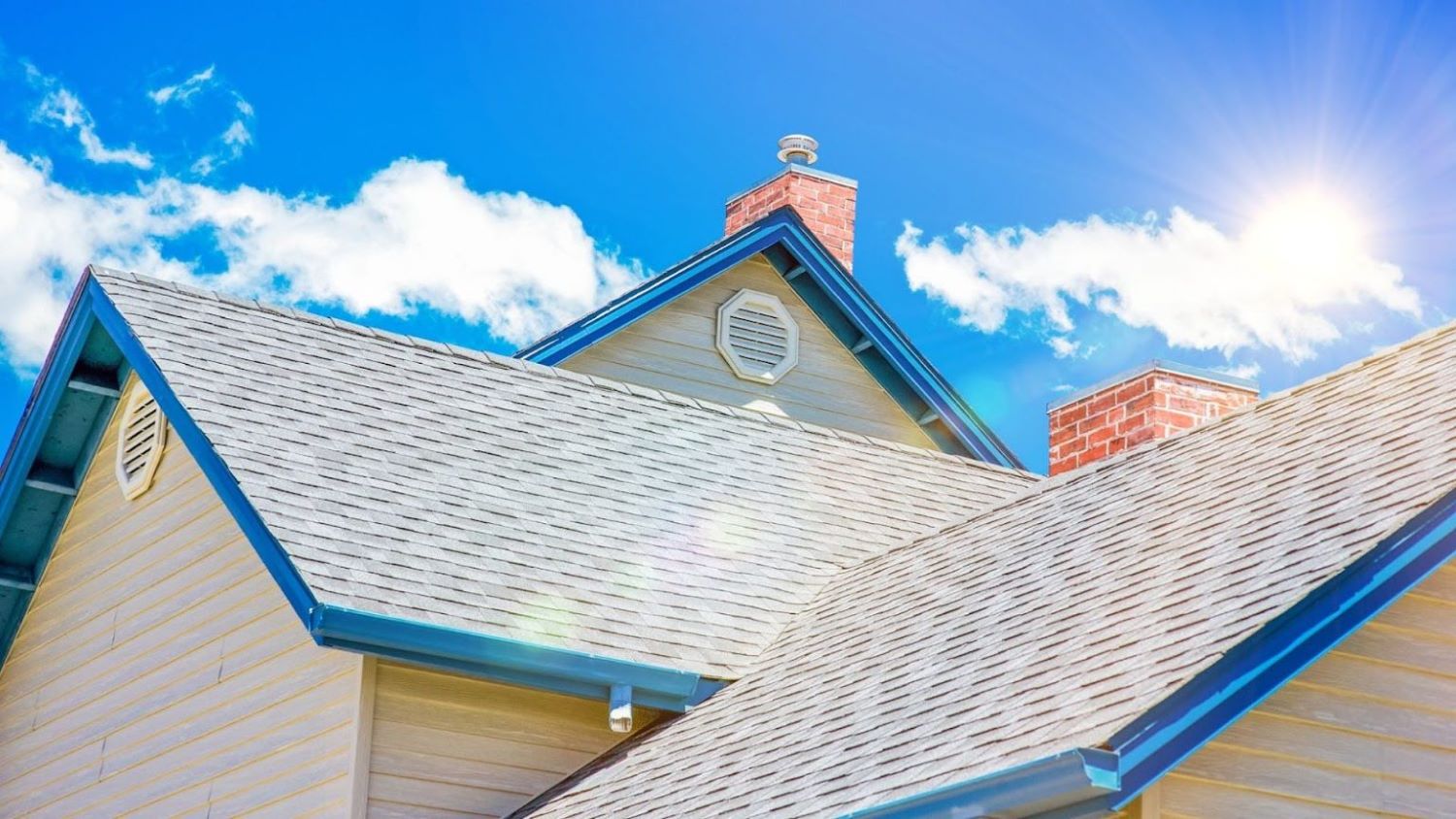

Brisbane, a city known for its vibrant atmosphere and sunny weather, boasts a subtropical climate characterised by high humidity, heavy rainfall, and those occasional intense storms. These climatic features, while part of what makes Brisbane an attractive place to live, also pose unique challenges to homeowners, particularly when it comes to maintaining the integrity of their roofs. The roof of a home is arguably one of its most critical components, providing essential protection from the elements. However, weather conditions can significantly impact roofing materials over time, leading to issues that might affect the safety and value of your home.
This comprehensive guide aims to explore the various ways in which Brisbane’s climate can impact your roof. Moreover, it highlights the importance of regular maintenance and offers practical tips on preventive measures to help homeowners keep their roofs in tip-top shape. By understanding these factors, homeowners can take proactive steps to safeguard their homes against Brisbane’s unique weather conditions.
The Impact of Brisbane’s Heat and UV Exposure on Roofing Materials
Brisbane enjoys a whopping 283 days of sunshine each year, making it one of the sunniest cities in Australia. While this is great news for beach lovers, the high temperatures and frequent sunshine can wreak havoc on roofing materials. Intense UV radiation is particularly unfriendly to roofs, causing materials such as asphalt, metal, and tiles to deteriorate more quickly than in cooler climates.
Exposure to UV rays can result in fading, cracking, and warping of roofing materials. Asphalt shingles, for example, may become brittle and lose granules, which are essential for deflecting sunlight and providing fire resistance. Metal roofs, popular for their durability, can corrode if their protective coatings fail under the sun’s harsh glare. Tiles, often praised for their aesthetic appeal, can also suffer from fading and surface damage over time.
To mitigate these effects, homeowners should consider applying UV-resistant coatings to their roofs. These coatings can significantly slow down the degradation process by reflecting sunlight and enhancing the roof’s durability. Regular inspections are also crucial in spotting early signs of sun damage, allowing for timely repairs that can prevent more significant problems down the road.
How Brisbane’s Heavy Rainfall Affects Roof Durability
Brisbane’s rainy season typically stretches from November to March, bringing with it intense tropical downpours that can challenge even the sturdiest of roofs. The sheer volume of rainwater during this period can result in excessive moisture accumulation on roofs, leading to a host of problems if not managed properly.
Excessive moisture on roofing materials can compromise their structural integrity, resulting in leaks, mould growth, and material decay. Persistent leaks can damage insulation and interiors, causing costly repairs. Mould growth is not only unsightly but also poses health risks, potentially triggering allergies and respiratory issues. Over time, the constant barrage of rain can lead to material decay, necessitating significant roof repairs or even replacement.
To combat the effects of heavy rainfall, homeowners should ensure their roofs are adequately waterproofed. This might involve sealing potential entry points around vents, chimneys, and skylights, and inspecting the roof for any damaged or missing components. Additionally, enhancing drainage systems by installing effective guttering and downpipes can significantly improve water flow and reduce the risk of water pooling, which is a common precursor to leaks.
The Consequences of Severe Storms and High Winds on Roof Structures
Storm season in Brisbane is synonymous with unpredictability. Between November and April, severe storms and occasional cyclones can strike, subjecting roofs to high winds and torrential rains that can test their resilience. High winds can lift shingles, dislodge tiles, and inflict structural damage on roofs. In extreme cases, entire sections of a roof might be compromised, exposing the interior to the elements.
To ensure roofing materials are secure, homeowners should conduct regular post-storm inspections. Look out for displaced components and repair any damage promptly to prevent further complications. Reinforcing roof anchors and choosing materials designed to withstand strong winds can also serve as effective mitigation strategies. Opting for storm-resistant materials such as metal roofing or engineered shingles can offer additional protection.
Long-Term Effects of Humidity on Roof Longevity
Brisbane’s high humidity levels, particularly in the summer months, can be a silent threat to roof longevity. Humidity can create an environment where moisture-loving organisms like moss and algae thrive. Left unchecked, these organisms can lead to material deterioration, compromising the structural integrity of the roof.
Humidity-related problems often manifest as moss and algae growth, noticeable through discolouration and a musty smell. Over time, this can lead to sagging or even rot, particularly in wooden roofing components. Insulation can also suffer as moisture compromises its effectiveness, leading to higher energy costs as the home struggles to maintain a stable internal temperature.
Preventive measures against humidity damage include regular cleaning to remove moss and algae, ensuring proper roof ventilation to keep moisture levels down, and applying mould-resistant treatments. These actions can help maintain the roof’s integrity and aesthetic appeal, enhancing the longevity of the roofing materials.
Maintenance Tips for Prolonging Roof Life in Brisbane’s Climate
Consistent maintenance is one of the most effective ways to protect a roof from Brisbane’s demanding climate. Establishing a routine inspection schedule helps identify issues early, when repairs are simpler and more affordable.
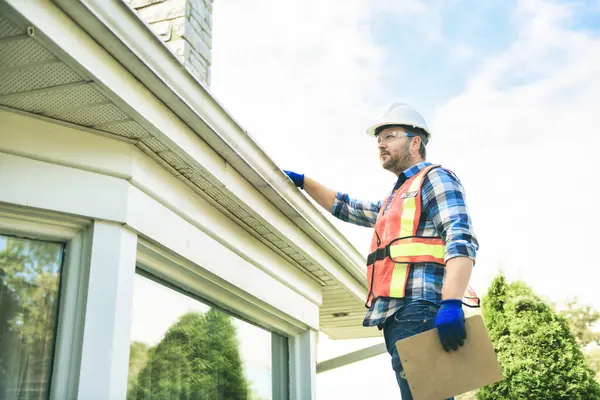
Key maintenance tasks include clearing gutters, checking seals around vents and skylights, and looking for signs of cracking or movement in roofing materials. While homeowners can handle basic visual checks, professional inspections provide a more thorough assessment and can uncover hidden problems.
Choosing quality materials suited to local conditions is also essential. In some cases, ongoing repairs may no longer be cost-effective, and planning ahead for a Brisbane roof replacement can prevent repeated damage and unexpected expenses down the line.
Conclusion: Protecting Your Roof from Brisbane’s Harsh Weather
Brisbane’s climate is part of what makes the city such a desirable place to live, but it also demands careful attention to home maintenance—particularly when it comes to roofing. Heat, rain, storms, and humidity all contribute to gradual roof degradation if left unmanaged.
By staying proactive with inspections, investing in appropriate materials, and addressing minor issues early, homeowners can significantly extend their roof’s lifespan. Whether maintaining an existing roof or evaluating long-term options, taking action now helps protect your home’s value, safety, and comfort.
If you haven’t assessed your roof recently, now is the ideal time to do so—before the next storm season arrives. A well-maintained roof isn’t just protection from the elements; it’s a smart, long-term investment in your home.
You Might Also Like