
Last summer I measured a boat in a client’s driveway. On its trailer it ran 9.2 metres long, with a radar arch at 3.4 metres. The quote for a conventional steel shed came with a fourteen-week lead time and a five-figure approval process. A correctly specified dome-style shelter was tensioned and watertight in four days.
Speed helps only when the specification is right. A narrow span clips a mast. The wrong fabric holds water in a southerly. The wrong coating can blister fast in salt air.
A good workflow is simple: define the asset, map the hazards, then choose the span, height, fabric, coating, and mounting method that fit your site, climate, and approval pathway.
What a Dome Shelter Does
A dome-style shelter is a curved fabric structure that gives fast cover with less weight and less site work than a conventional shed.
It uses tensioned fabric over steel arches and can mount to shipping containers, steel posts, or masonry walls. Common spans run from about 6 to 21 metres, and length is usually added in modular bays that suit 20-foot or 40-foot container layouts.
Open-ended versions allow drive-through access. Enclosed versions can use roller doors or curtain end walls for secure storage. On residential properties they suit boats, caravans, prestige vehicle overflow, machinery, shaded outdoor areas, and temporary cover during renovations.
The curved form spreads wind and gravity loads efficiently. Tensioned fabric also avoids the sagging and flapping that ruin many flat covers. When engineering, fabric, and coatings match the site, the result looks tidy and can usually be relocated later.
Start With Assets and Daily Tasks
Good shelter choices start with a clear list of assets, movements, and daily tasks.
Before you compare products, record what the shelter must protect and how it will be used in real life. Storage, maintenance access, reversing room, and walk-around space all matter.
Measure each asset at its tallest fixed point, including radar arches, raised tow hitches, open boot lids, and any roll-over protection structure, or ROPS. Note the turning circle, the trailer angle on approach, and whether you reverse in or drive straight through.
Then decide what the cover must do. A classic car may need full waterproof storage. A dining area may need shade and airflow. These choices affect fabric type, end walls, doors, lighting, power, and whether the shelter should be easy to relocate later.
Size It to Work the First Time
Size the shelter around the largest loaded item, not the empty floor area.
Use a simple five-step check.
First, measure the site limits, including driveway width, boundary setbacks, eaves, and tree canopies. Second, record the extreme dimensions of each asset, including anything that projects above the main roofline. Third, add 300-600 mm overhead and 200-300 mm per side for mirrors, guides, heat clearance, and easy entry.
Fourth, choose the span to suit the mounting system. A 12-metre span on high-cube containers, for example, can deliver an apex above 4.5 metres, enough to clear a 9-metre boat on its trailer with a 3.2-metre radar arch. Fifth, plan the length in modular bays so you can extend later without redesigning the whole frame.
Container dimensions set the baseline when you mount that way. A 20-foot container is about 6.06 metres long, and a 40-foot unit is about 12.2 metres. Standard height is about 2.60 metres, while high-cube units are about 2.90 metres high. Those numbers control your side clearance and apex height from day one.
Choose the Right Roof Material
Choose fabric for function and climate, not appearance.
PVC-coated polyester, a polyester fabric with a polyvinyl chloride coating, is the usual membrane for waterproof storage. It gives welded seams, good tear resistance in heavier grades, and a design life of about 15 to 20 years when detailed with PVDF or acrylic topcoats.
Light-reflective colours help cut heat gain under the canopy, which matters when you store vehicles, boats, or temperature-sensitive gear. If you want an enclosed space that stays dry through wind-driven rain, PVC is usually the safer choice.
HDPE shade mesh, or high-density polyethylene mesh, suits jobs where airflow matters more than watertightness. It works well over machinery, outdoor entertaining areas, and livestock cover. Commercial HDPE cloths can block roughly 89 to 98 percent of ultraviolet radiation, depending on colour and weave. That matters in Australia, where ARPANSA records January UV Index averages of 11 or higher across most of the country on clear days. Shade fabrics for human protection are rated for Ultraviolet Effectiveness under AS 4174:2018.
Fire performance needs a separate check. Fabric flammability is commonly reported to AS 1530.2 and AS 1530.3, and those tests produce index values rather than a simple pass or fail. Ask for current test reports if the shelter is near public areas or in a bushfire-prone zone.
Specify Frame Protection for the Site
Coatings matter as much as steel thickness when the site sits near surf or in heavy salt air.
Engineered steel arches carry the load, but the coating system determines how long the frame lasts. Hot-dip galvanizing to AS/NZS 4680 is the baseline. Site corrosivity is classified under AS 4312, from C1 to CX, and AS/NZS 2312 guides the right system for each category.
Near the coast, specify a duplex system, which combines galvanizing with a topcoat, plus marine-grade stainless fasteners. Isolate dissimilar metals, seal cut edges during installation, and keep touch-up materials on hand. Within one kilometre of breaking surf, that extra protection is usually cheaper than recoating the frame years early.
Use a Clear Buyer’s Checklist
A short written brief makes quotes easier to compare and prevents vague promises.
Ready to turn your short list into a specification and quote? After confirming your wind region, site clearances, and approval pathway, compare container-mounted and post-mounted layouts, ask for engineering and fabric test reports, request spec sheets, and align spans, end-wall details, and corrosion packages with your brief, simply via this dome shelter resource before you finalise footing and finish choices.
Include the site address, confirmed wind region, terrain and topography notes, bushfire attack level if applicable, a full asset list with length, width, and height, the target span, apex height, and bay length, the preferred mounting type, the fabric choice and colour, the required coating system to AS/NZS 4680 and AS/NZS 2312, end-wall and door details, electrical needs, required engineering documents, installation timing, and crane or access limits.
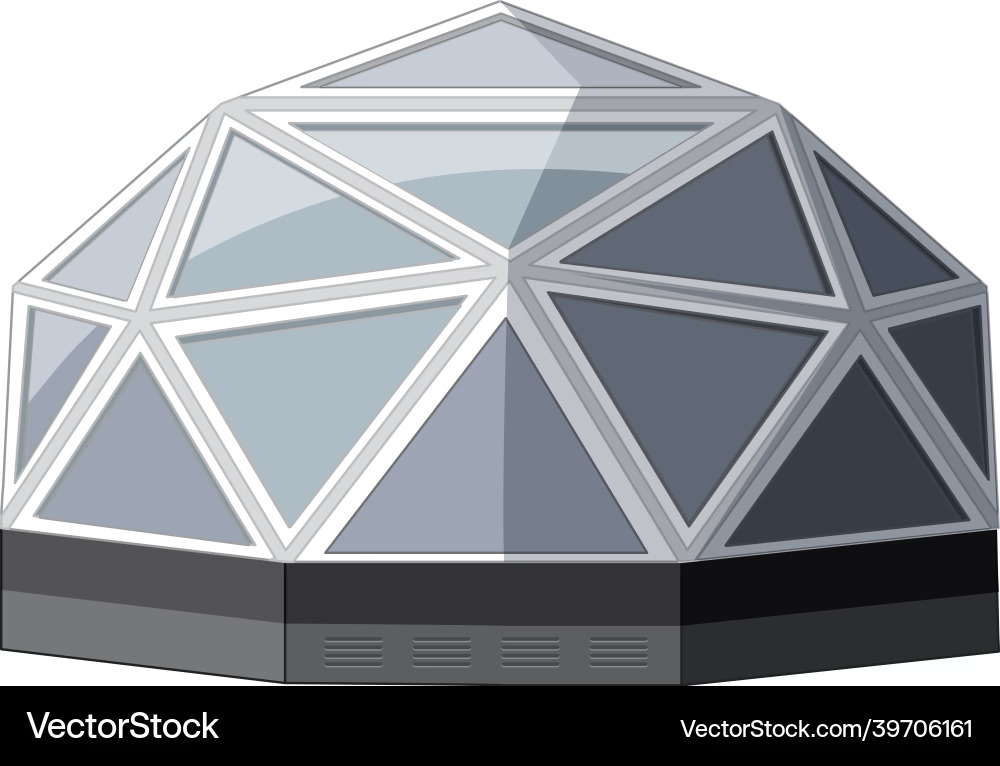
If you need a baseline for comparison, a dome-style shelter resource from Dome Shelter Supplies can help you review engineering options, installation steps, and certification documents before you lock in footings or finishes. That gives you a clearer brief when you ask suppliers to price the job.
Use Wind Exposure to Set the Engineering
Wind region drives the engineering, so confirm it before you compare prices.
AS/NZS 1170.2 divides Australia into Regions A, B, C, and D. Your region, the surrounding terrain, and local topography set footing sizes, fixings, and allowable spans. A sheltered suburban block and an exposed ridge do not get the same design, even in the same postcode.
In cyclone-prone areas, the design loads rise sharply. Queensland guidance uses Region C three-second gust wind speeds of 69 metres per second, about 248 kilometres per hour, for residential checks under AS/NZS 1170.2. Western Australia retained higher Region D design wind speeds through an NCC 2022 state variation developed with advice from the Cyclone Testing Station at James Cook University.
For any site in Regions C or D, insist on address-specific engineering, cyclone-rated fixings, and end-wall pressure analysis. In wet and coastal locations, also allow for gutters, flashings, and marine-grade hardware. One early wind check can prevent the most expensive mistakes in the whole project.
Pick the Best Mounting Method
The best mounting method balances looks, cost, and the chance you may move the shelter later.
Most residential jobs use container mounting, post mounting, or wall mounting.
Container mounting is usually the fastest to deploy. It adds secure storage at the base, gives easy crane relocation, and helps with clearance. Make sure the fixings engage the ISO corner castings and top rails, and check the steel-to-container interface for corrosion risk.
Post mounting gives cleaner sightlines and less visual bulk, which can matter near the front of a home. It needs engineered footings or screw piles, but it also allows neater conduit runs for lighting and power.
Wall mounting can work well against engineered blockwork or retaining walls. The key checks are uplift, lateral load transfer, drainage, and weep details. If those are ignored, water and movement problems show up quickly.
Check Compliance Before You Order
Approval rules vary more than most buyers expect, so check the pathway before you place an order.
Most residential dome shelters sit in the same NCC class as private garages, carports, and sheds, usually Class 10a non-habitable structures. Even so, exempt, complying, and full application pathways differ by state and by council.
In NSW, certain carports can qualify as exempt development if they meet strict criteria under state policy, so check the NSW Planning Portal early. If a structure is used for public or assembly purposes, the ABCB Temporary Structures Standard applies and references AS/NZS 1170.2 for wind actions. Also confirm bushfire overlays, heritage controls, and coastal exposure requirements before the design is locked in.
Ask suppliers for engineer’s certification to AS/NZS 1170.2 for your address, structural drawings, footing details, coating specifications, and current fabric test reports. Good documentation speeds up approvals and reduces surprises on site.
Plan for Maintenance and Service Life
A light maintenance schedule protects fabric, coatings, and fasteners far beyond their minimum rated life.
In coastal zones, wash salt deposits off with fresh water each month. Inspect and retension the membrane after the first season and after any severe wind event. Check chafe points where fabric meets arches, inspect lashing hardware for fatigue, and repair coating damage as soon as you find it.
Quality PVC membranes commonly last 15 to 20 years. HDPE shade mesh can perform well for 10 to 15 years. Galvanizing life depends on corrosivity and coating thickness, but a well-maintained duplex system in a C3 environment can exceed 25 years before major work is needed.
Common Questions
Most final questions come down to permanence, wind rating, coastal exposure, and approvals.
Are Dome Shelters Permanent Structures?
They can be designed for long-term installation or for relocation. How council treats the structure depends on how it is fixed, how long it stays on site, and how it will be used, so raise that point with your certifier early.
What Wind Rating Should I Specify?
Do not rely on a generic sales rating. Give the supplier your exact site address so the engineer can calculate the design from the AS/NZS 1170.2 wind region, the local terrain, topography, and shielding.
Can a Dome Shelter Go Near the Coast?
Yes, but the corrosion package needs to match the site. Use hot-dip galvanizing, a duplex topcoat where exposure is high, stainless fasteners, and a regular salt-wash routine, then match the system to the AS 4312 corrosivity category.
PVC or HDPE, Which Is Better?
PVC-coated polyester is better for watertight storage of vehicles, boats, and equipment. HDPE shade mesh is better for ventilated shade over dining areas, livestock, or machinery that does not need rain protection.
Do I Need Council Approval?
Possibly, and the answer depends on the state, the council, and the site constraints. Some shelters fit exempt or complying pathways, while others need a full application, especially where bushfire, heritage, or setback rules apply.
How Do End Walls Affect Wind Loads?
Closed end walls trap and pressurise air, which increases uplift and sideways loads on the frame and footings. If you plan to add end walls later, the original engineering should be reviewed before the change is made.
What About Fire Performance for Dome Shelter Fabrics?
Ask for current AS 1530.2 and AS 1530.3 test reports rather than a simple claim that the fabric is fire rated. Those reports give index values that your certifier can assess against the location and the intended use.
You Might Also Like