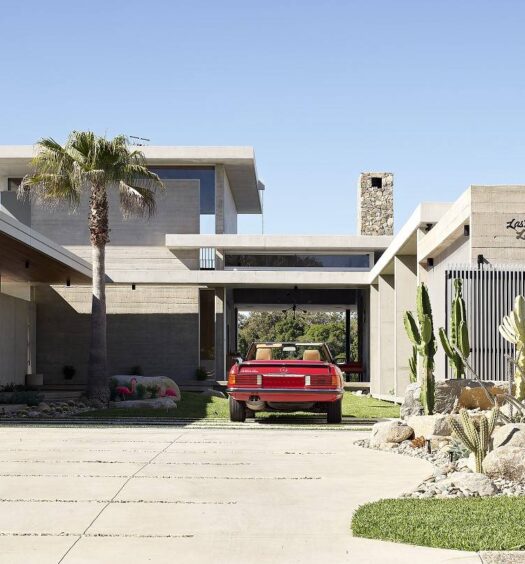

Custom homes offer many benefits. Not least because you can adopt designs that fit your lifestyle preferences to perfection. Whatever stage of the project you’re at, it’s vital that all decisions align with your short and long-term needs.
Green living has become one of the most frequent goals shared by homeowners in recent years. If this is something you want to achieve with your custom home, there are several solutions to consider. Here are some of the most effective options at your disposal.
Focus On Energy Efficiency
Homes are typically the largest contributor of carbon emissions in a person’s life. All homeowners can significantly reduce theirs by introducing energy-efficient appliances. Your custom home can take energy efficiency to a far higher level, though. An electrician can maximise the efficiency of your electrical boards and lighting installations. Moreover, they can install an EV charger to ensure that green living extends beyond the home onto the road.
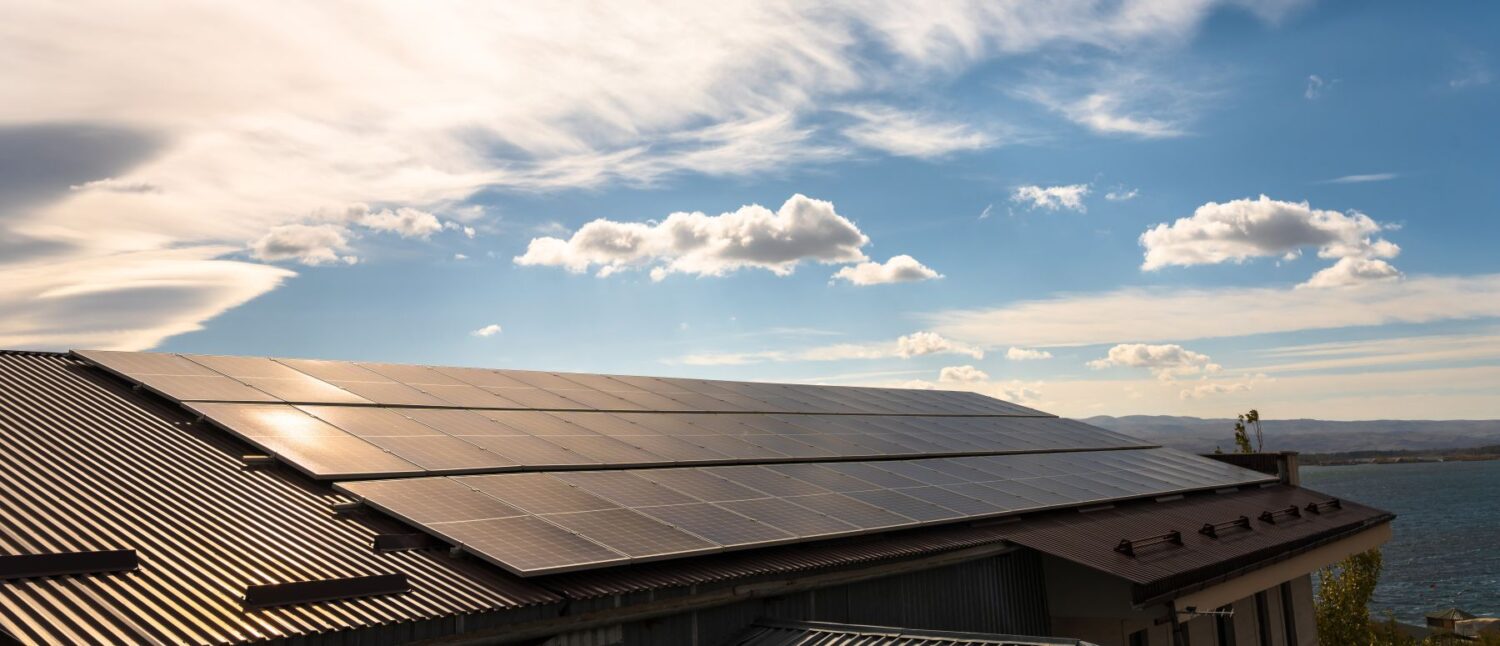
For the best results, you should look to tap into the power of solar energy and renewables too. The roof of your custom home will likely have ample room to support PV panels.
Use Natural Materials Wherever Possible
The use of natural materials is another fantastic way to take green living to the next level. This is especially true when you opt for locally sourced materials that have the durability to last. The use of stone and wood throughout the interior design creates a solid foundation. You can take this to the next level by using metal to inject an artistic touch to your home design. Metal can additionally be used outside the home. Wrought iron gates create a particularly striking look.
Natural materials should also be incorporated into your backyard landscape designs. The fact that it’ll inevitably encourage you to spend more time outside can only aid the cause.
Choose Sustainable Construction Methods
Smart material choices are a great starting point. However, the overall impact of your custom home is equally influenced by the construction methods used. The choice of builders is particularly important. You want a local expert who uses low-impact construction practices. The use of modular and prefabricated structural elements can also help. Switching to low-VOC paints and other features that produce lower emissions should be on the agenda too.
If you can preserve trees and soil quality throughout the process, this is a bonus. Low-maintenance designs are another crucial feature for long-term green living.
Focus On Temperature Control
When thinking about energy efficiency, it’s not just about using renewables and better materials. Smart climate control features that learn your behaviours are another key feature. Above all else, a custom home build should feature materials that aid better insulation in winter and air circulation in the summer. Double-glazing and skylight choices will have a huge influence. Similarly, the roofing and window structures have key roles to play.
A home that remains comfortable without working the HVAC systems to crazy levels will be more eco-friendly. Comfort and indoor air quality should see improvements too.
You Might Also Like