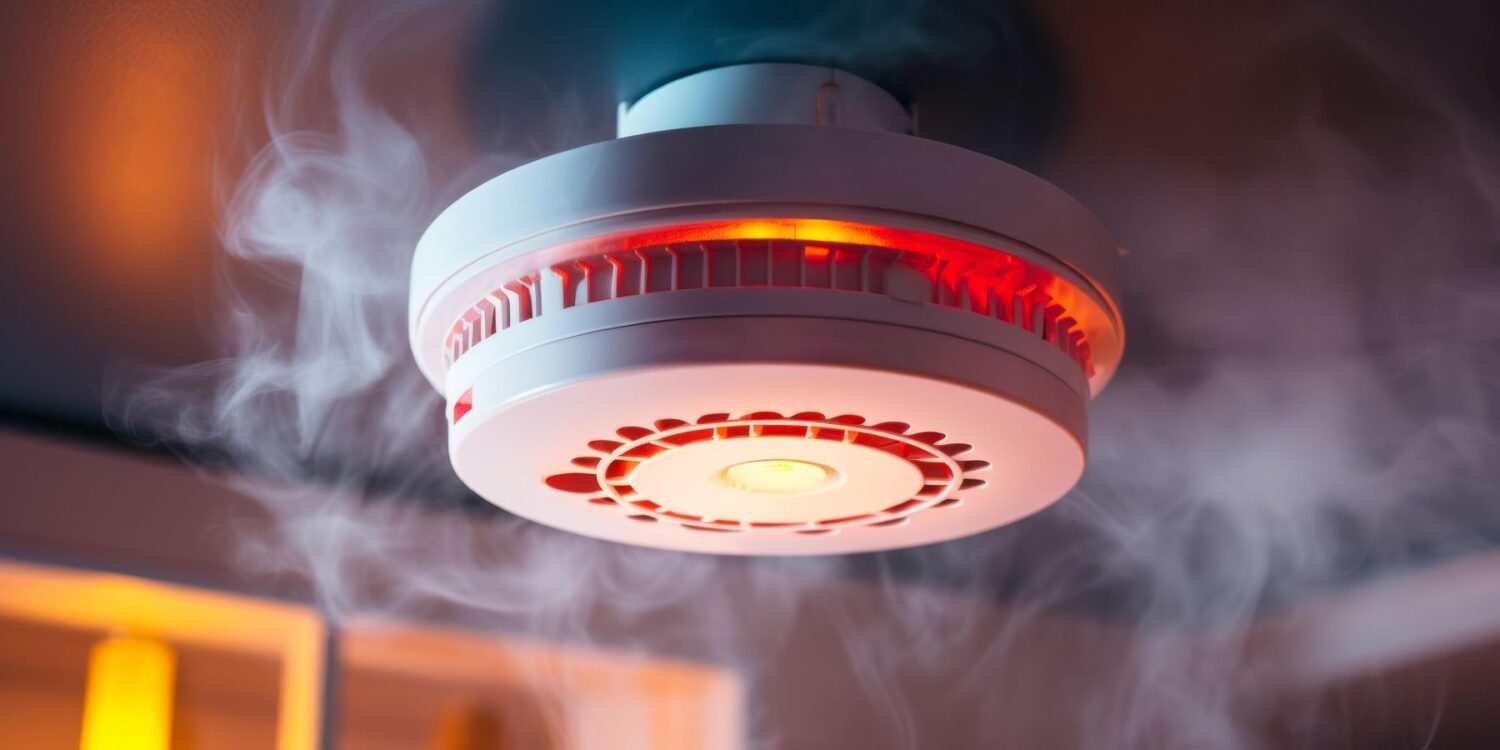

Ensuring the safety of our homes is a priority for everyone, and smoke alarms play a crucial role in achieving this goal. Their importance cannot be overstated, as they act as first responders by detecting smoke and initiating early warnings that can save lives and prevent extensive property damage. In Australia, fire safety regulations are stringent, and for good reason. These regulations emphasise the installation and upkeep of smoke alarms across residential properties, further highlighting their indispensable role in safeguarding families.
Smoke alarms are pivotal for early fire detection. They provide the critical window needed to address fires before they escalate, making them a staple in any comprehensive fire safety strategy. Thankfully, the Australian market is equipped with a variety of smoke alarms tailored to different needs. This array of options underscores the importance of understanding each type to make informed decisions about home safety products.
Types of Smoke Alarms: Understanding the Basics
When exploring smoke alarms, it’s essential to appreciate the variety available, each designed with specific features and purposes. This knowledge helps homeowners select the most suitable option for their particular situations.
Ionisation Smoke Alarms
Ionisation smoke alarms are among the most common types. They are particularly sensitive to flame fires that produce small combustion particles. These alarms work by using a small amount of radioactive material placed between two electrically charged plates. This creates an ionisation chamber. When smoke enters the chamber, it disrupts the flow of ions, thus triggering the alarm. Given their sensitivity, ionisation alarms respond faster to flames but might be slower to detect smouldering fires, which generate larger particles.
These alarms are best used in areas where fast-flaming fires are more likely, such as kitchens and rooms with highly flammable materials. However, care must be taken because they can also be more prone to nuisance alarms from cooking fumes.
Photoelectric Smoke Alarms
In contrast, photoelectric smoke alarms excel at detecting smouldering fires, which are more common in residential settings. These devices operate using a light source within a sensing chamber. When smoke enters the chamber, it scatters the light beam and triggers the alarm. The responsiveness of photoelectric alarms to larger smoke particles makes them ideal for living rooms and bedrooms, where smouldering fires can originate from furniture or bedding.
Dual-Sensor Smoke Alarms
For those seeking heightened safety, dual-sensor smoke alarms combine ionisation and photoelectric technologies. By integrating both mechanisms, these alarms provide comprehensive coverage, adept at detecting varying types of fires, whether they start from flaming or smouldering sources. Dual-sensor alarms are especially recommended for general household use due to their all-encompassing functionality.
Heat Alarms
Heat alarms, distinct from smoke alarms, respond to temperature changes rather than smoke. They activate when the temperature rises rapidly or exceeds a certain threshold. These alarms are particularly useful in environments unsuitable for smoke alarms due to possible false alarms, like kitchens and garages. Heat alarms focus on detecting high-risk fires in areas where smoke generation may not be the initial indicator.
Ionisation vs. Photoelectric Smoke Alarms
Understanding the differences between ionisation and photoelectric smoke alarms is crucial for making informed decisions.
Key Differences
Ionisation and photoelectric smoke alarms differ mainly in their detection abilities and response times. Ionisation alarms react more swiftly to open-flame fires, whereas photoelectric alarms are quicker to detect smoky, smouldering fires. This difference stems from the design and sensing methods each type employs.
Pros and Cons
In residential settings, the choice between these types depends on specific needs. Ionisation alarms, while responsive to flames, may yield more nuisance alarms, thus causing inconvenience. On the flip side, photoelectric alarms offer fewer false alarms and are considered more reliable for general home usage, especially in common living areas.
Statistical Performance
Statistical data show that photoelectric alarms are more effective in real fire scenarios within homes, as smouldering fires are more prevalent. This type of fire is often responsible for the majority of residential fire fatalities, underscoring the need for alarms that can detect them swiftly.
Recommendations
For optimal safety, experts generally recommend installing a combination of both alarm types, or preferably, dual-sensor alarms in crucial areas such as hallways outside bedrooms, to ensure comprehensive detection.
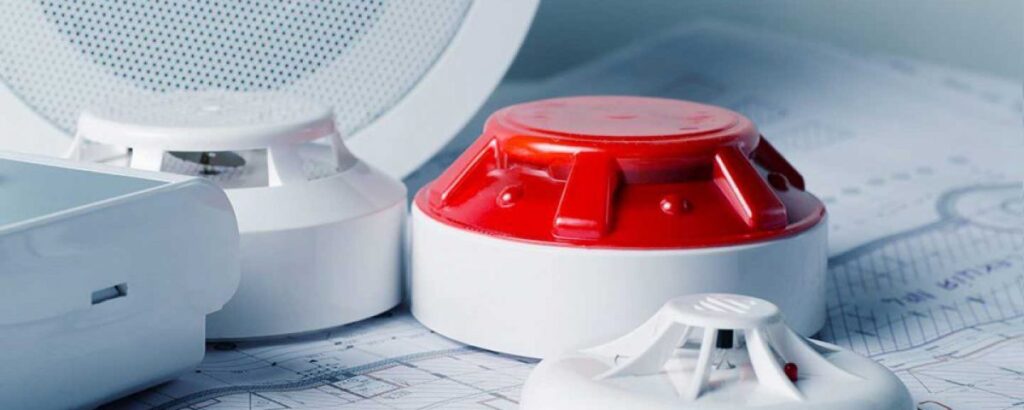
Australian Smoke Alarm Regulations and Standards
Adhering to smoke alarm regulations is not merely about legal compliance; it is about ensuring the safety of all household members.
National Standards AS 3786
In Australia, the AS 3786 standard outlines specifications for smoke alarms intended for use in domestic settings. This includes design, performance, and testing criteria to guarantee alarm reliability and efficacy.
Rental Properties and New Constructions
For rental properties and new constructions, smoke alarms must not only comply with the AS 3786 standard but must also adhere to specific requirements regarding placement and functionality. These include being hardwired or powered by a non-removable 10-year battery. Part of these conditions ensures continuous operation without the interruption of battery failures.
State-Specific Regulations
Each Australian state or territory may have its unique requirements, necessitating homeowners to be aware of local laws and updates. For instance, Queensland enforces regulations mandating interconnected photoelectric alarms, ensuring that when one alarm is triggered, all alarms sound.
Compliance Checklists
Having a compliance checklist aids homeowners in meeting regulatory requirements. This typically includes verifying the type and number of alarms, their placement and condition, and ensuring regular testing and maintenance.
Placement and Installation: Best Practices
Proper placement is essential for smoke alarms to perform effectively.
Where to Install Smoke Alarms
Best-practice guidelines recommend installing smoke alarms:
– On every level of the home
– Inside bedrooms
– In hallways outside sleeping areas
– Along stairways in multi-storey homes
Installation Considerations
Smoke alarms are typically installed on ceilings, away from corners, vents, and light fittings. Ceiling height, airflow, and room layout all influence placement and should be carefully considered.
Common Placement Mistakes
Placing alarms too close to kitchens, air conditioners, or exhaust fans can reduce performance or increase false alarms. Thoughtful placement ensures accurate detection without unnecessary disruptions.
Professional vs DIY Installation
While many alarms are suitable for DIY installation, professional installation offers assurance that placement, wiring, and testing meet current standards. Professionals can also provide guidance tailored to the specific layout of a home.
Maintenance and Testing: Keeping Your Alarms in Top Condition
To ensure smoke alarms work effectively when needed, regular maintenance and testing are imperative.
Maintenance Schedules
Smoke alarms should be regularly cleaned to remove dust and debris build-up. A good habit is to gently vacuum or wipe the alarms monthly to maintain their sensitivity.
Testing Smoke Alarms
To test alarms, use the test button to ensure they’re operational. This, ideally, should be done monthly to confirm that batteries and electronic components are working as intended.
Battery Replacement
Even for alarms with long-life batteries, it is critical to check alarms for proper function periodically. For those using replaceable batteries, an annual swap is recommended to circumvent the risk of battery failure.
Signs for Replacement
Any signs of malfunction, like erratic noises or non-functional test buttons, should be addressed promptly. Moreover, alarms older than ten years should be replaced, as their effectiveness diminishes with age.
A Safer Home Starts with Informed Choices
Smoke alarms are a small but vital component of a well-considered home. By understanding the different alarm types, complying with Australian regulations, and committing to regular maintenance, homeowners can significantly improve safety outcomes for their families.
If you’re building, renovating, or reviewing your current fire safety setup, now is the ideal time to assess whether your smoke alarms are working as effectively as they should. Regular testing, correct placement, and choosing the right technology all contribute to a safer, more resilient home.
For homeowners seeking reassurance or professional support, expert advice and inspection services can help ensure your smoke alarm system is compliant, reliable, and ready to protect what matters most.