

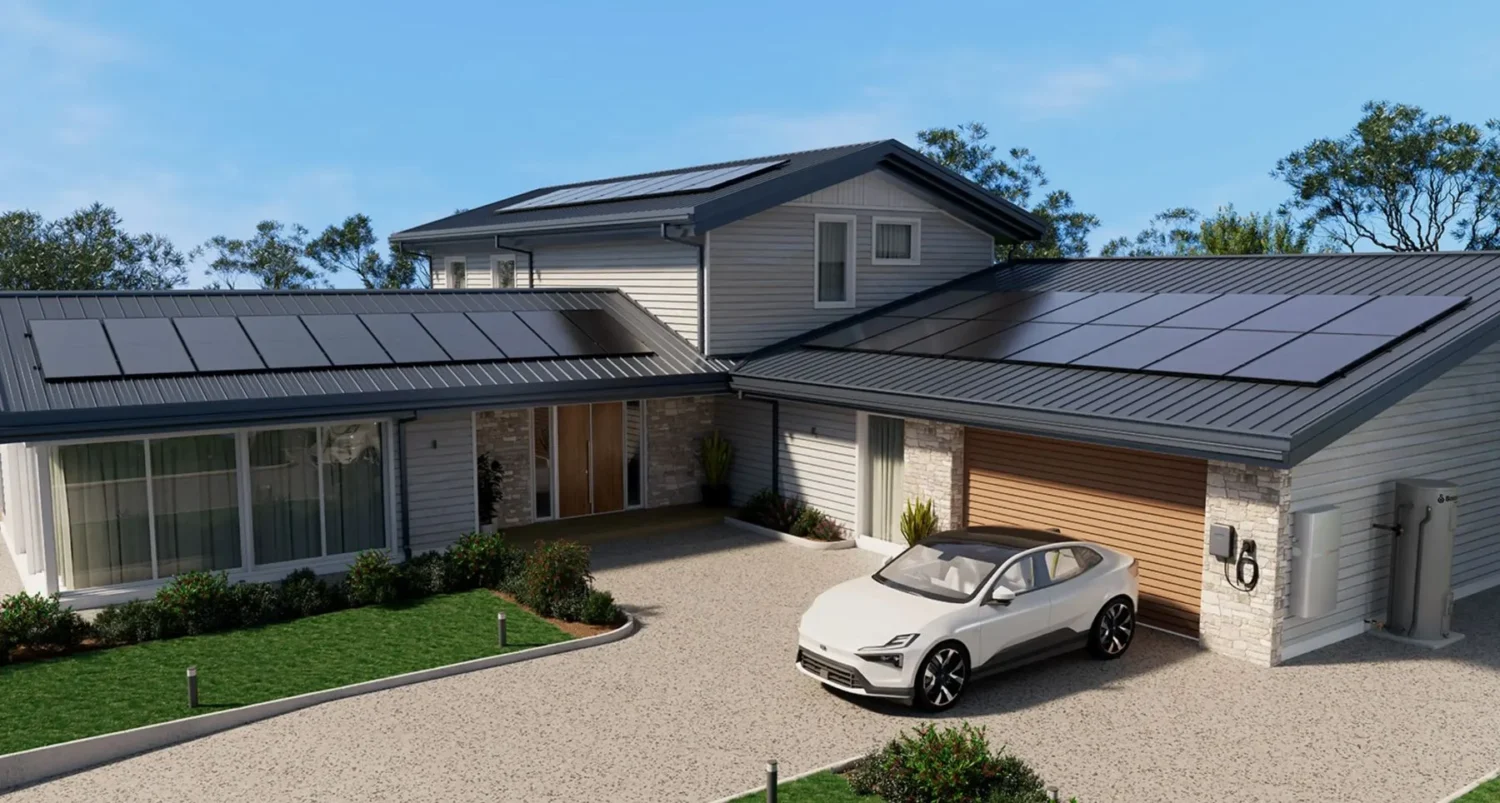

Solar has long been associated with lower running costs, but recent property data suggests it may also be playing a role in how value is perceived in the Australian housing market. Domain’s 2025 Sustainability in Property Report found that energy-efficient houses sold for an average of $118,000 more nationally than homes without those features, while houses with solar panels sold for an average of $140,000 more. Listings with energy-efficient features also attracted 13.8 per cent more views, and 52.2 per cent of houses sold included at least one energy-efficient feature.
Those figures are significant because they point to a shift in what buyers are paying attention to where a home’s value is no longer being judged only by location, size and visual appeal. There is now growing interest in how a home performs, what it costs to run and how well it is equipped for the future. That does not mean solar automatically guarantees a higher sale price, but it does suggest that homes with energy-efficient features are attracting more attention and, in many cases, stronger sales results.
Part of the reason is straightforward, with the increased cost of living, buyers are more aware than ever of household running costs. Energy prices remain front of mind, and a home that offers some protection against rising power bills naturally carries additional appeal. Solar can help reduce dependence on the grid, but it also represents something broader. It suggests a property that has been upgraded with practicality in mind, and one that may be better aligned with the way households now use energy. Running cost is particularly relevant in larger homes, where energy demands are often more substantial – heating and cooling loads are higher, appliance use is heavier, and features such as pools, home offices, wine storage, electric gates and electric vehicle charging all add to the home’s overall energy consumption. In these homes, solar can feel less like a bonus and more like part of a more intelligent approach to running the property.
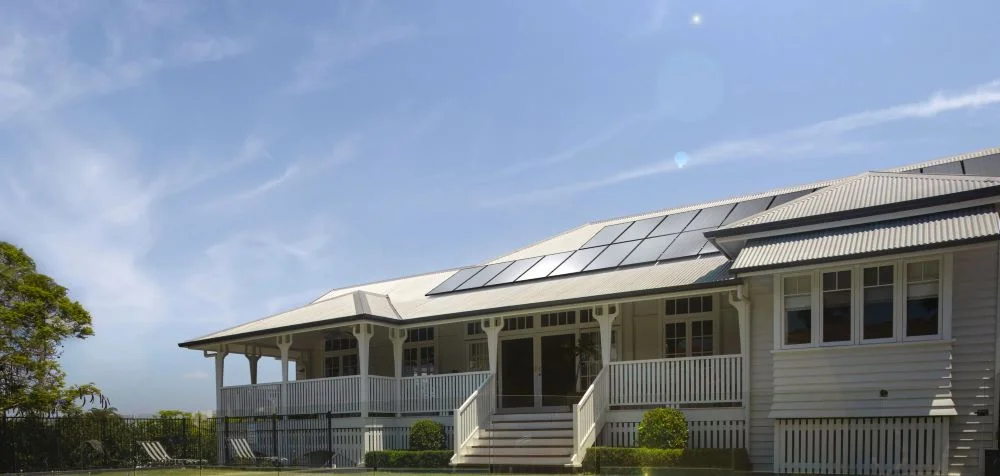
At the same time, buyers are rarely responding only to the presence of solar panels on a roof. Solar is often read as part of a broader picture. A home with solar may also have stronger thermal performance, newer systems, better insulation or a more up-to-date approach to living. That wider impression matters. In many cases, solar contributes to the sense that a home has been improved with long-term performance in mind, and that can strengthen overall appeal.
For Custom Homes audience, the relevance sits in the way solar complements the broader quality of the home. Luxury and high-end custom homes have always been defined by architecture, craftsmanship, finishes and location, but today there is growing value in a home that performs as well as it presents. Solar adds another layer to that story, reinforcing the idea of a home that has been planned not only for visual impact, but for the demands of contemporary living.
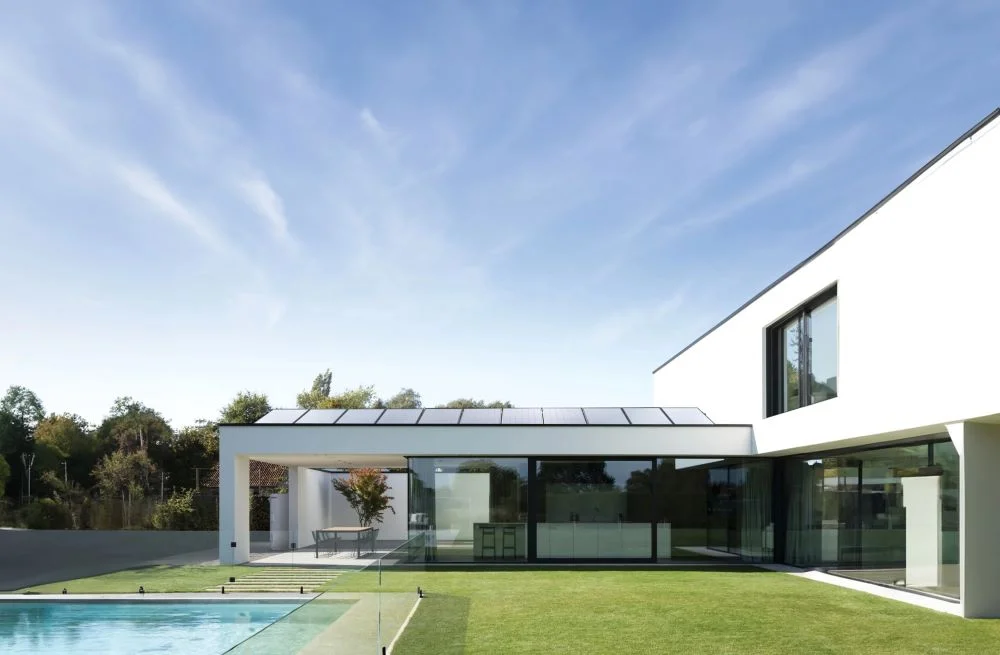
That is where Solahart adds real weight to the conversation. Established in 1953, the brand has spent decades helping shape the way Australian households approach solar and hot water, building a reputation that extends well beyond panels alone. Today, Solahart’s offering spans solar power, battery storage, EV chargers, solar hot water, heat pumps and home energy management systems, making it relevant not just to homeowners looking to reduce energy costs, but to those wanting a more complete and future-focused approach to energy efficiency in their home.
Demonstrative of their understanding of what consumers are now looking for, Solahart’s broader offering across solar power, battery storage, EV chargers, solar hot water, heat pumps and home energy management systems reflects a more complete approach to home energy, one that feels increasingly aligned with the needs of contemporary Australian homes.
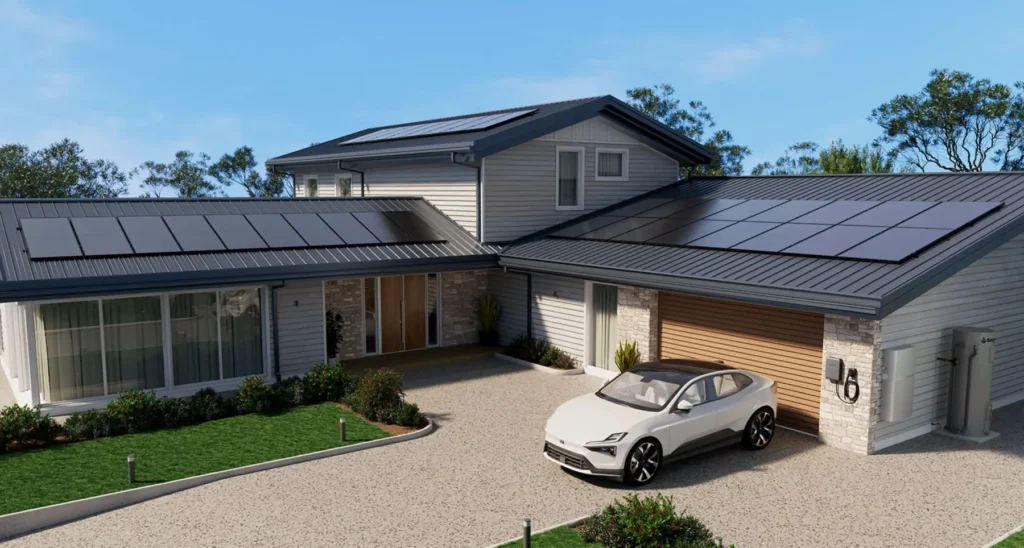
For homeowners, that broader capability adds another layer to the value proposition. A home supported by a recognised provider with experience across multiple energy solutions can feel better equipped for the future, particularly as buyers become more aware of household running costs and energy performance. That is where the original data becomes especially relevant. The Domain report does not suggest solar alone is responsible for every premium result, but it does indicate that energy-efficient features are attracting stronger buyer attention and, in many cases, stronger sales outcomes. Solar forms part of that broader picture, and when paired with a trusted name such as Solahart, it carries an added sense of quality, permanence and long-term thinking.
For homeowners considering upgrades, that makes the conversation even more compelling. Solar may offer immediate benefits in the form of lower running costs, but it may also strengthen the overall appeal of the home when it comes time to sell. As energy performance becomes a more visible part of how homes are judged, the role of established names such as Solahart is only becoming more important. For homeowners thinking not only about efficiency today, but about long-term value when it comes time to sell, a recognised industry name like Solahart adds yet another layer of appeal.
For more information and to find your local Solahart dealer go to www.solahart.com.au


