

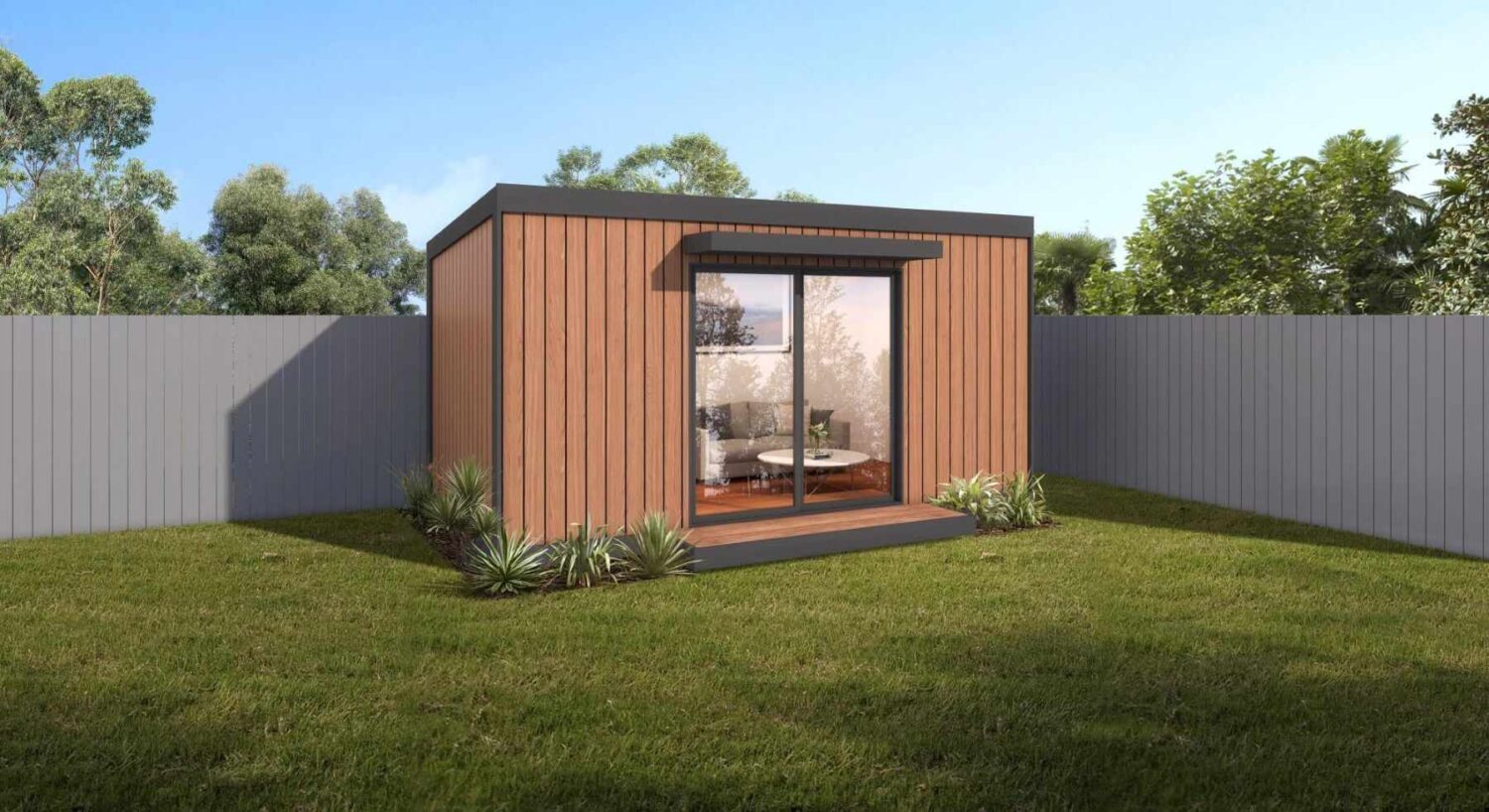

Granny flats have become one of Australia’s favourite housing trends in recent years – and for good reason. Whether you’re after a private retreat for family, a teenage hangout, or a source of passive income, a well-designed granny flat can add enormous value to your property.
But once you decide to build one, the next question often stumps people: should you go modular, prefab, or custom-built? Each approach comes with its own advantages, challenges, and ideal use cases. Understanding the differences can save you serious time, money, and stress – not to mention help you build a granny flat that suits your lifestyle perfectly.
Let’s break it down and explore which option might be the best fit for you.
What Is a Modular Granny Flat?
A modular granny flat is constructed in sections (or modules) within a factory and then transported to your property for final assembly. Think of it as a sophisticated puzzle – each piece built to precise measurements, then fitted together seamlessly on-site.
Because most of the work happens in a controlled indoor environment, modular builds aren’t affected by bad weather or on-site delays. The result is faster construction and more predictable costs.
Pros of Modular Granny Flats:
- Speed: Since the bulk of construction happens off-site, the build time is dramatically reduced. Many modular homes are ready in as little as 8 to 12 weeks.
- Quality Control: Factory construction ensures consistent workmanship and less exposure to the elements.
- Cost Efficiency: Reduced labour hours and material waste often mean lower overall costs.
- Eco-Friendly: Many modular builders focus on sustainability, using recycled materials and energy-efficient systems.
Cons:
- Limited Customisation: While you can often choose between layouts and finishes, the overall structure is somewhat standardised.
- Transport Costs: Depending on your location, transporting the modules can add to your expenses.
- Site Restrictions: Narrow access or uneven land can make delivery and installation tricky.
Best For: Homeowners who want a fast, affordable, and high-quality granny flat with minimal fuss.
What Is a Prefab Granny Flat?
The term prefabricated (prefab) is sometimes used interchangeably with modular, but there’s a subtle distinction. “Prefab” refers to any building where components are constructed off-site and then assembled on-site – so modular homes are actually one type of prefab build.
Prefab granny flats can range from fully built transportable homes to panel-based systems that are pieced together on your property like a giant jigsaw puzzle.
Pros of Prefab Granny Flats:
- Affordability: Prefab homes are usually more affordable than fully custom builds, thanks to bulk manufacturing and efficient processes.
- Speed of Installation: Like modular homes, prefab options can be ready much faster than traditional construction.
- Design Flexibility: Depending on the builder, you may have more options than a strict modular design. Some even allow you to add sections or upgrade materials over time.
- Reduced Waste: Factory precision means fewer offcuts and less waste – great for both your wallet and the environment.
Cons:
- Transport and Installation Challenges: Just like modular builds, site access can limit your options.
- Standardised Aesthetics: Prefab homes often share similar designs, which may not appeal if you want something truly unique.
- Resale Value Variability: Depending on your area and the quality of the build, prefab homes may not add as much long-term value as custom options.
Best For: Buyers who want a balance between affordability, speed, and modern design without the hassle of full-scale construction.
What Is a Custom Granny Flat?
A custom-built granny flat is designed and constructed entirely from scratch on your property. This approach gives you full creative control – from the floor plan and finishes to the facade, materials, and interior styling.
It’s also ideal for challenging sites, unusual block shapes, or properties with strict council regulations. Custom builds can be tailored to complement your existing home perfectly, creating a cohesive and premium look.
Pros of Custom Granny Flats:
- Complete Flexibility: Every element can be tailored to your needs, budget, and aesthetic preferences.
- Better Integration: Custom designs can match the architectural style of your main home or make the most of unique site conditions.
- Higher Resale Value: A well-designed, architecturally matched granny flat can significantly boost your property’s market appeal.
- Unlimited Options: From high-end materials to unique layouts and smart-home technology, there are no limits.
Cons:
- Cost: Custom builds are typically the most expensive option, especially if you hire an architect or interior designer.
- Time: On-site construction is slower, often taking 4 to 6 months (or longer, depending on approvals and weather).
- Project Management: Custom projects require more involvement and decision-making from the homeowner.
Best For: Homeowners who want a high-end, fully tailored space that perfectly fits their property and vision.
Comparing the Costs
While costs vary by builder, location, and materials, here’s a general idea of what you can expect:
- Prefab Granny Flat: From around $90,000–$140,000
- Modular Granny Flat: From around $120,000–$180,000
- Custom Granny Flat: From around $150,000–$250,000+
These figures typically include basic finishes, plumbing, and electrical work but exclude site preparation, council fees, and landscaping.
Navigating Council Regulations
In Australia, granny flat approval processes differ between states and councils. For example, New South Wales allows secondary dwellings up to 60m² to be approved under the Complying Development Certificate (CDC) system, which can speed things up dramatically.
In Queensland and Victoria, approvals are often required through local councils, and rules may vary around occupancy (such as whether you can rent your granny flat to non-family members). For example the rules surrounding modular homes Gold Coast residents need to comply with are surprisingly different to what Brisbane residents face.
If you’re considering modular or prefab options, it’s worth checking whether your chosen design complies with local zoning, size restrictions, and building codes before committing.
Which Option Is Right for You?
If you’re chasing speed and simplicity, modular or prefab granny flats are hard to beat. They’re affordable, quick to install, and perfect for rental income or family use.
If you have a specific vision or a tricky site – or simply want to match your main home’s design – a custom build is worth the extra time and investment.
In many cases, the decision comes down to budget, timeline, and design expectations. Modular and prefab homes shine for practicality, while custom designs deliver personality and long-term value.
Final Thoughts
No matter which option you choose, granny flats are one of the smartest ways to expand your living space and boost your property’s value in Australia’s ever-evolving housing market.
Whether modular, prefab, or custom, each has its own strengths. The key is finding the balance between cost, creativity, and convenience that suits your needs – and, of course, choosing a reputable builder who understands local conditions and regulations.
Because at the end of the day, a well-built granny flat isn’t just an addition to your home – it’s an investment in your future, your family, and your lifestyle.


