
Building or renovating a home is about more than floor plans and finishes. The homes that feel genuinely satisfying to live in are the ones designed around how you actually spend your time, not just how a space photographs.
Whether you unwind by sinking into a chair at the end of a long day or you recharge through a creative hobby that fills a Sunday afternoon, the way your home is set up either supports those habits or quietly works against them. Getting that right from the start makes an enormous difference.
Start With How You Actually Live
Before you think about aesthetics, think about behaviour. How does your household move through a typical week? Where does the stress tend to build up, and where do people naturally decompress?
Most people underinvest in the spaces where they spend the most time recovering. Living rooms get beautiful finishes but uncomfortable furniture. Spare rooms become storage by default rather than serving any deliberate purpose. Thinking intentionally about how each room functions, not just how it looks, is where the most meaningful home design decisions happen.
The Case for a Dedicated Relaxation Zone
One of the most consistently underrated investments in a home is a proper space for physical recovery. This does not need to be elaborate. A corner of the living room, a sunroom, or even a well-arranged bedroom nook can serve the purpose if it is set up correctly.
The key is removing friction from the act of actually relaxing. That means comfortable seating, good lighting control, and ideally some separation from the parts of the home associated with work or household tasks. The easier it is to mentally switch off in a space, the more often you will actually use it.
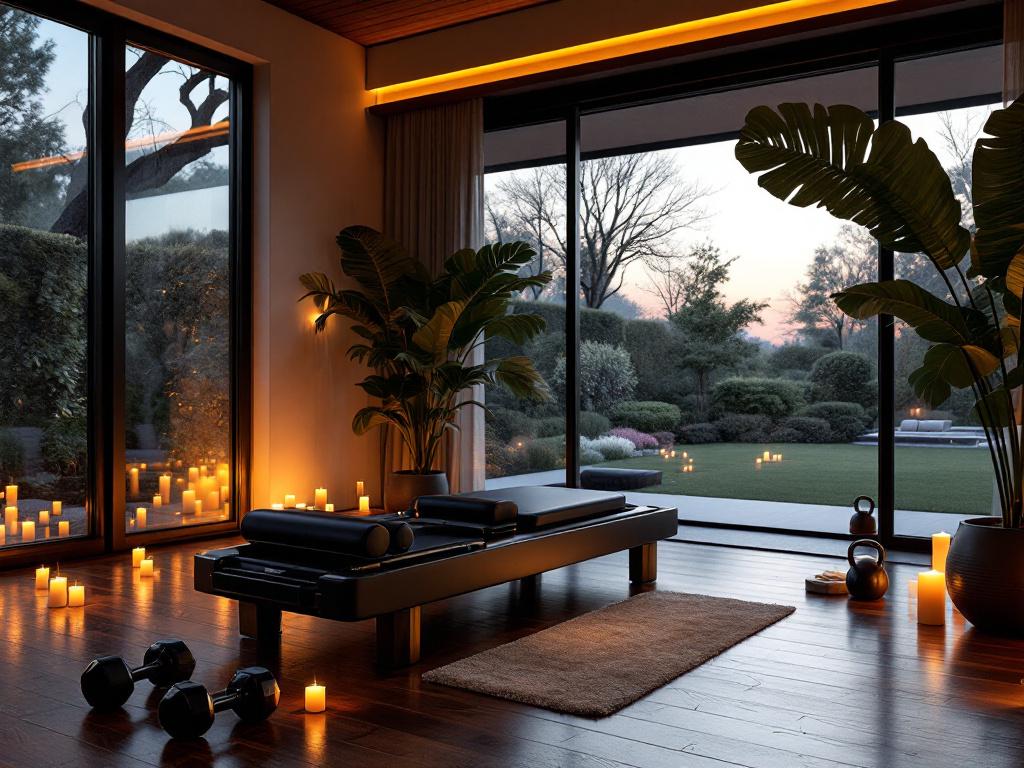
Furniture choice matters a great deal here. A chair you genuinely look forward to sitting in at the end of the day is not a luxury; it is a practical investment in your wellbeing. If you are furnishing this kind of space, it is worth looking at a quality recliner massage chair for sale rather than defaulting to a standard lounge chair. The difference in how your body feels after an hour of genuine decompression versus passive sitting is significant, particularly if you are on your feet or at a desk for most of the day.
Think about positioning as well. A chair placed near a window with natural light and a view into the garden creates a fundamentally different experience from the same chair pushed against an interior wall. Small placement decisions can transform how much a space gets used.
Designing for Creative Hobbies at Home
A dedicated creative space is something many homeowners plan to create eventually and never quite get around to. The result is a hobby that gets squeezed into a corner of the dining table and packed away after every session, which gradually erodes the habit altogether.
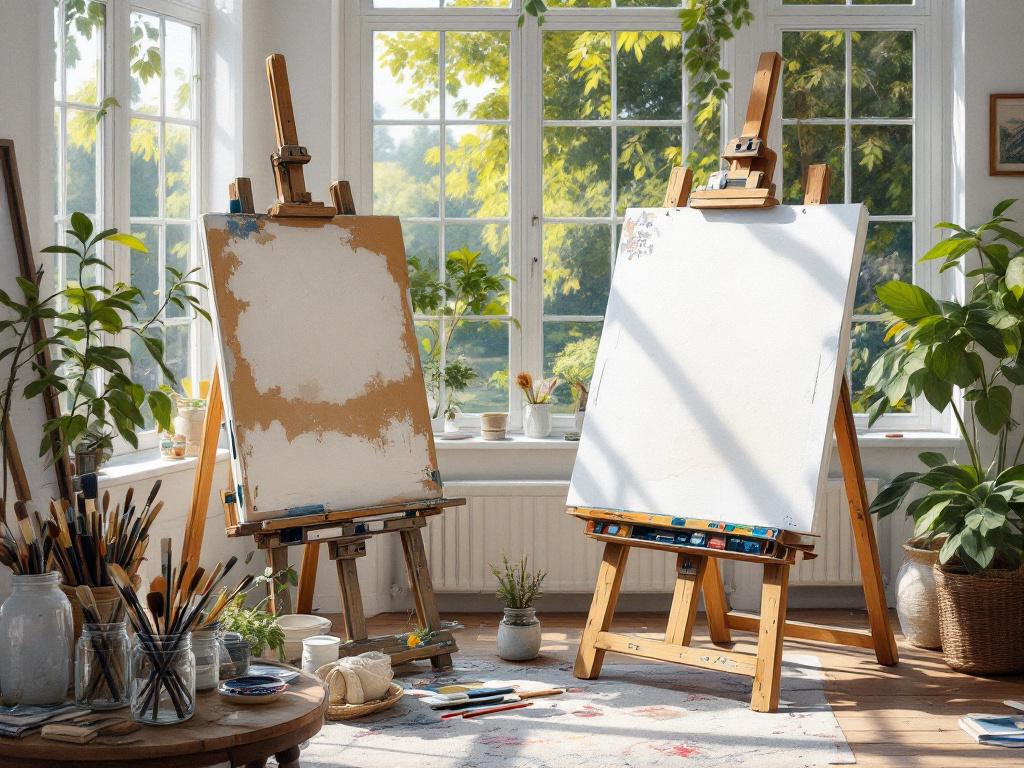
If you have a creative practice you want to protect, giving it a proper home is one of the better decisions you can make in a renovation or new build. This applies whether you paint, draw, make music, or work with textiles. The common thread is having a space where your tools and materials can be left out, ready to use, without disrupting the rest of the household.
Quilting and sewing in particular benefit enormously from a dedicated setup. A cutting table at the right height, adequate storage for fabric, good overhead lighting, and easy access to supplies all contribute to a workspace that invites you in rather than requiring effort to set up each time.
The supplies side of things matters too. Keeping quality materials on hand means you can sit down and work without the friction of running low on thread mid-project. For quilters working on precision piecing, thread quality has a direct impact on the finished result, and it is worth stocking up properly. If you are setting up a sewing space and want reliable, consistent thread, the option to buy rasant thread in Australia is worth knowing about. Rasant is well regarded among serious quilters for its strength and fine weight, and having a solid supply on hand means fewer interruptions to your creative flow.
Storage planning in a craft room deserves the same level of thought as storage planning in a kitchen. Fabrics, notions, and tools all need homes that are both accessible and organised, otherwise the space becomes frustrating to work in rather than enjoyable.
Connecting Your Spaces to Your Wellbeing
The through line connecting a relaxation zone and a creative hobby space is the same: both are investments in the quality of your daily life at home. Neither requires a large footprint. Both require intentional design rather than an afterthought.
When you are planning a custom home or a significant renovation, these are the spaces worth advocating for in your brief. It is easy to prioritise the kitchen, the master suite, and the entertaining areas because those are the spaces that photograph well and impress guests. The spaces that actually sustain you day to day are sometimes harder to justify in a planning conversation, but they deliver more return in lived experience.
Talk to your builder or designer about how your home can accommodate both rest and creative activity. Even in a modest floor plan, thoughtful zoning can make both possible without compromising other areas of the home. You can also explore our home design resources for further guidance on planning spaces that genuinely support the way you live.
Practical Considerations for Both Spaces
A few things apply equally whether you are planning a relaxation corner or a creative studio.
Lighting is the detail most often underestimated at the planning stage. Relaxation spaces benefit from warm, dimmable lighting that can shift with the time of day. Creative workspaces need bright, accurate light that does not distort colours or cause eye strain over long sessions. Getting the lighting right in both cases transforms how usable the spaces actually are.
Acoustic separation is worth considering if your home includes both noise-sensitive and noise-generating activities. A creative space where music plays or a sewing machine runs benefits from some degree of acoustic insulation, both for the person using it and for others in the home.
Storage planning in both spaces should account for how the space will actually be used over time, not just on the day you move in. Creative supplies accumulate. Relaxation spaces tend to attract additional cushions, throws, and books. Build in more storage than you think you need.
Final Thoughts
The homes people love most are the ones that feel genuinely made for them. That quality does not come from a particular architectural style or a specific price point. It comes from spaces that support the things that matter to you in daily life.
Investing in a proper relaxation zone and a dedicated creative space are two of the more tangible ways to make a home feel like it genuinely fits your life rather than just housing it. Both are worth planning for from the beginning, and both will repay that investment in the quality of time you spend at home.