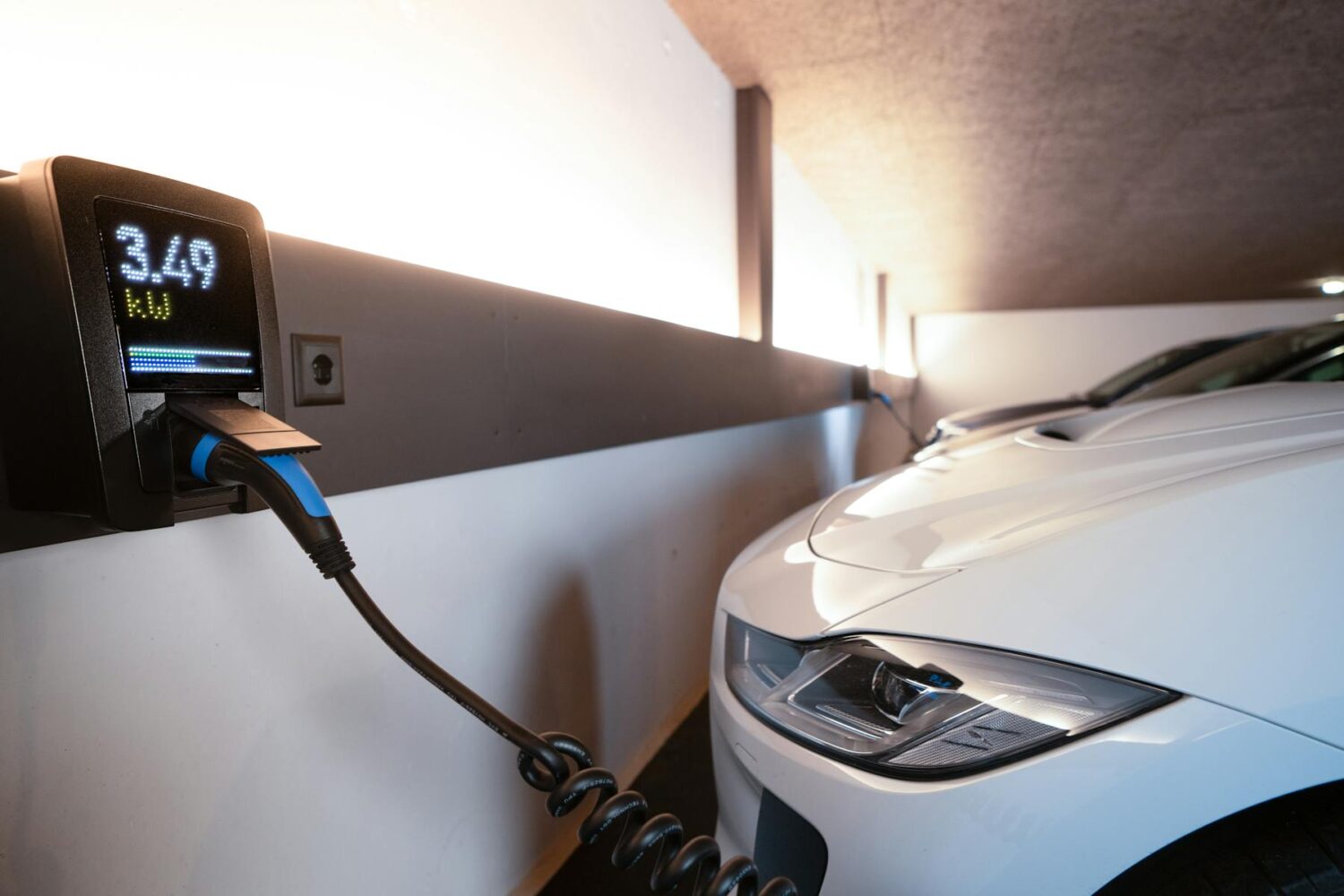

Car battery chargers have become an important part of vehicle care. As more people aim to extend the life of their batteries and avoid unexpected breakdowns, choosing the right charger has gained new importance. Prices vary widely, and that difference often reflects quality, convenience, and built-in protection features that matter in everyday use.
Understanding what affects the cost of a car battery charger helps drivers make smarter choices and avoid overpaying for features they may not need. The right charger depends on how it performs, how fast it charges, and how long it lasts. By learning about the main types and what drives price differences, anyone can find a charger that fits both their budget and their vehicle’s needs.
Car battery chargers range from $20 to $300 based on features and brand quality.
Car battery chargers vary widely in price because of their power level, safety features, and brand design. A basic model may cost around $20 and handle simple tasks for smaller batteries. Higher-end smart chargers can reach $300, offering faster charging and better voltage control.
The price often depends on the amperage output and the level of automation. For example, a charger that stops automatically when the battery reaches full power costs more but also helps extend battery life. Shoppers who want dependable performance can explore a car battery charger from VEVOR to find models with balanced pricing and features suited for different types of vehicles.
Portable jump starters and trickle chargers also fall within this range. However, paying a little more often provides stronger build quality and faster operation. Drivers should match the charger to their car’s battery type to make the most of their purchase.
Basic trickle chargers are affordable but offer slow charging and minimal features
Basic trickle chargers appeal to drivers on a budget because they cost less than most other charger types. Prices usually start around twenty dollars, making them an accessible option for those who need a simple tool to maintain a car battery during storage. Their low price comes with trade-offs, though, since they charge at a steady but very slow rate.
These chargers work best for vehicles that sit unused for long periods. They prevent a battery from losing charge rather than fully recharging a dead one. Because they deliver a constant, gentle current, they help maintain battery health without heavy power demand.
Most basic models lack automatic shut-off or advanced safety functions. Therefore, users must monitor them to avoid overcharging. While they cannot match modern smart chargers in speed or convenience, they remain useful for keeping a car battery topped off at minimal cost.
Jump starters cost between $40 and $300 and provide quick power boosts, but don’t fully recharge
Jump starters serve as portable devices that help start a vehicle with a drained battery. They act like jumper cables but do not require another car for assistance. This feature makes them practical for drivers who want to avoid dependence on roadside help.
Prices vary from about $40 for basic models to nearly $300 for those with higher power levels and extra features. Cost often depends on peak amps, added safety technology, and built-in accessories such as USB ports or flashlights.
A jump starter delivers a strong surge of energy to start the engine, but it does not restore the full charge of the battery. Therefore, the driver should still allow the alternator to recharge the battery after the car starts. In some cases, connecting the battery to a charger later helps maintain its condition and prevents repeated breakdowns.
High-quality chargers include safety features to protect battery life and guarantee durability
High-quality car battery chargers include built-in safety systems that protect both the user and the battery. They help prevent problems such as overheating, overcharging, or short circuits, which can cause unnecessary wear or even battery failure. These protections add long-term value because they keep the battery running at a steady and safe level.
Many chargers now include overcurrent and overvoltage protection. These features stop the charger from delivering more power than the battery can handle. Therefore, the energy flow stays balanced, and the battery avoids physical stress that could shorten its life.
Reverse polarity detection and temperature control also play a key role. If the cables connect incorrectly, the charger detects the mistake and shuts off instantly. Temperature sensors adjust the charging rate based on outside conditions, so both cold and hot climates stay safe for battery health.
Charging speed options vary: trickle, standard, and rapid charge modes impact cost
Drivers can select from trickle, standard, or rapid charging modes, each with different costs and benefits. Trickle chargers use a regular household outlet and add power slowly. They cost less to install but require many hours to reach a full charge.
Standard chargers, often called Level 2, use higher voltage. They charge faster than trickle units and balance convenience with moderate power use. Installation can involve extra wiring or equipment, which raises overall expense.
Rapid chargers deliver the quickest results by providing direct current power. They can restore most of a battery’s charge within minutes instead of hours. However, hardware and installation costs are much higher due to the equipment’s capacity and needed electrical supply.
As a result, drivers must weigh speed against upfront and long-term expenses. The right option depends on daily driving habits, available power access, and how often immediate charging is necessary.
Conclusion
Car battery chargers vary from simple trickle models to advanced smart systems. Prices usually range from $20 for basic chargers to $300 or more for powerful jump starters with safety features and faster charge rates. The right choice depends on vehicle needs, climate, and how often a driver plans to use it.
A higher price often means added protection and longer lifespan, though many mid-range models balance cost and performance well. Drivers should review key features like amperage, automatic shutoff, and portability before buying.
In short, it helps to compare specifications and match them to driving habits. An informed choice saves money over time and keeps a vehicle battery ready for daily use or emergencies.
You Might Also Like