


Lighting tends to sit in the background of design decisions, but it does more talking than most people realise. Before anyone notices your furniture, colour palette, or layout, they’ve already felt the impact of your lighting.
It sets the tone instantly. It can make a space feel calm, sharp, inviting, dramatic, or unfinished. And while most people think they’re just choosing something practical, what they’re actually doing is shaping how a room is experienced.
When someone starts exploring options like luxury ceiling lights Sydney, they’re usually thinking about aesthetics and quality. But what they’re really choosing is how they want their space to be perceived — both by themselves and by anyone who walks in.
Lighting isn’t neutral. It sends signals. And once you start paying attention, those signals are hard to ignore.
Bright, Even Lighting: Clean, Controlled, and Practical
Spaces with strong, even lighting tend to feel organised and efficient.
This kind of setup is common in kitchens, offices, and newer builds where clarity is prioritised. Everything is visible, nothing is hidden, and the space feels easy to navigate.
But there’s a trade-off. When lighting is too uniform, it can feel flat. There’s less depth, less contrast, and sometimes less personality.
What it says about the space:
– Function comes first
– The layout is designed to be used, not just looked at
– There’s a preference for clarity over atmosphere
It works well in the right context, but it rarely creates a memorable environment on its own.
Soft, Layered Lighting: Thoughtful and Intentional
Layered lighting tends to signal a more considered approach.
Instead of relying on one central fixture, the space uses multiple light sources — ambient, task, and accent — to create variation. This adds depth and makes the room feel more dynamic.
You might notice:
– A chandelier or ceiling light for overall glow
– Lamps or wall lights for softer zones
– Accent lighting to highlight specific features
This kind of setup feels more curated. It shows that someone has thought about how the space is used at different times of day.
What it says about the space:
– Comfort matters
– There’s attention to detail
– The environment is designed to be experienced, not just occupied
Statement Lighting: Confident and Design-Led
When lighting becomes the focal point, the message is clear.
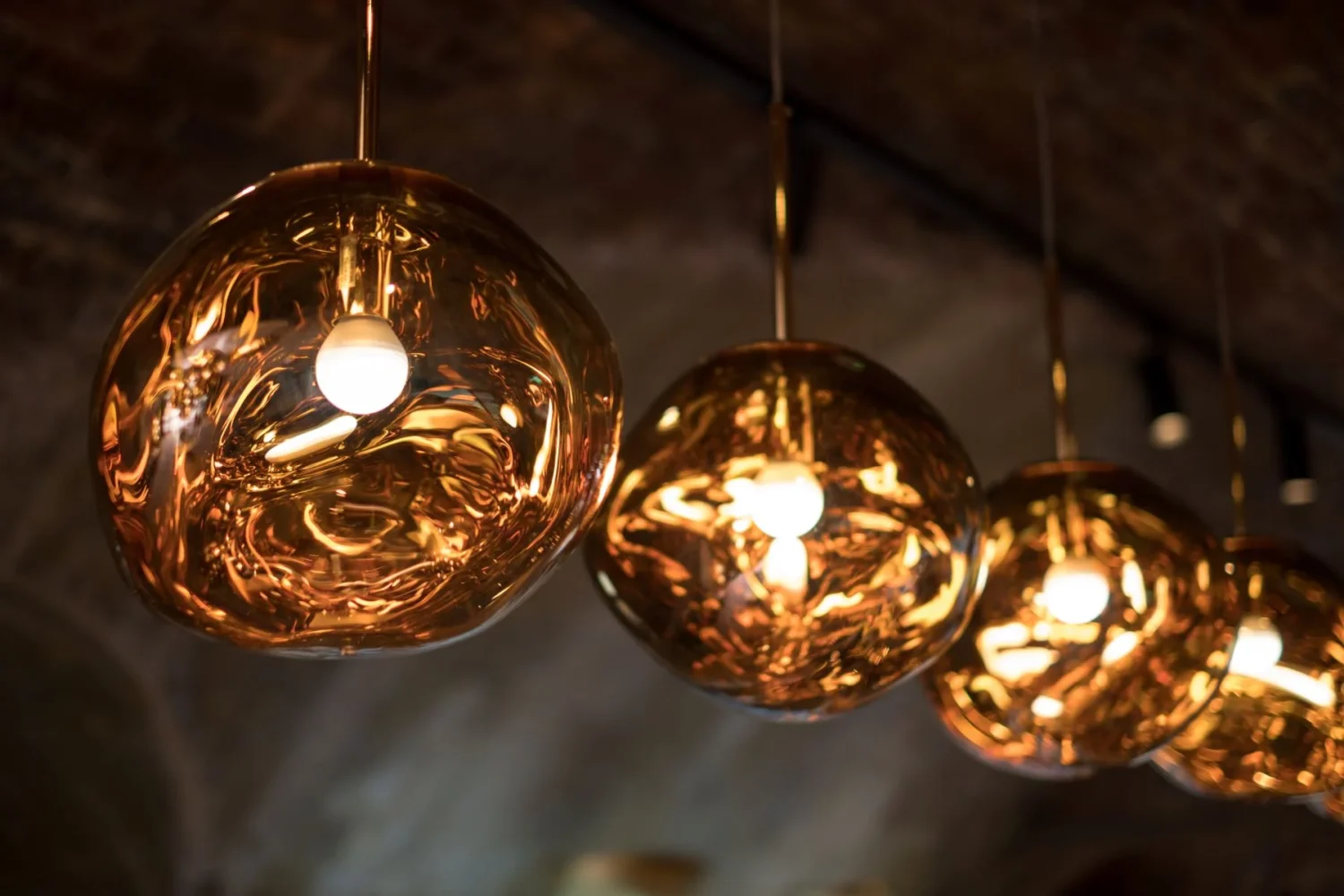
A bold chandelier or sculptural fixture immediately draws attention. It becomes a defining feature of the room, often shaping how everything else is arranged around it.
This approach works best when the rest of the space supports it. If the surrounding elements are too busy, it can feel overwhelming. But when it’s balanced, it creates a strong visual anchor.
What it says about the space:
– Design choices are deliberate
– There’s confidence in making bold decisions
– The space is meant to leave an impression
Statement lighting doesn’t need to be oversized or extravagant. Even subtle pieces can have this effect if they’re distinctive enough.
Minimal Lighting: Understated and Controlled
Some spaces intentionally keep lighting simple.
This might mean recessed lights, slimline fixtures, or designs that blend into the ceiling. The goal isn’t to draw attention to the lighting itself, but to let other elements take focus.
Done well, this can feel calm and refined. Done poorly, it can feel unfinished.
What it says about the space:
– There’s a preference for subtlety
– Visual clutter is avoided
– The focus is elsewhere — architecture, materials, or layout
Minimal lighting works best when the rest of the space carries enough interest to compensate.
Warm vs Cool Light: Atmosphere vs Precision
Colour temperature plays a bigger role than most people expect.
Warm lighting (around 2700K–3000K) tends to feel relaxed and inviting. It softens edges and creates a more comfortable environment.
Cool lighting (4000K and above) feels sharper and more clinical. It’s often used in workspaces where visibility is key.
What it says about the space:
– Warm light → comfort, ease, and a more lived-in feel
– Cool light → clarity, focus, and a more functional approach
The choice between the two subtly shifts how people behave in the space.
Pendant Lighting: Focused and Functional
Pendant lights tend to signal purpose.
They’re often used over kitchen islands, dining tables, or workspaces where more targeted lighting is needed. Compared to broader fixtures, they create defined zones within a room.
When someone chooses a pendant light homeowners often gravitate toward, they’re usually solving a practical need while still thinking about design.
What it says about the space:
– There’s a clear understanding of how the space is used
– Lighting is being used to define areas
– Function and form are working together
Pendant lighting rarely stands alone. It’s usually part of a larger lighting plan.
Mismatched or Inconsistent Lighting: Unresolved Design
Sometimes lighting choices don’t quite align.
This can happen when fixtures are selected at different times without a clear plan. The result is a mix of styles, brightness levels, or colour temperatures that don’t fully connect.
It’s not always obvious at first glance, but it creates a subtle sense of inconsistency.
What it says about the space:
– Decisions were made in isolation
– There wasn’t a clear overall vision
– The space may feel slightly disjointed
This is one of the easiest issues to fix once it’s identified.
Overly Harsh or Dim Lighting: Imbalance
Lighting that’s too strong or too weak tends to stand out immediately.
Harsh lighting can make a space feel uncomfortable or overly exposed. On the other hand, lighting that’s too dim can make it feel impractical or incomplete.
What it says about the space:
– The balance between function and atmosphere hasn’t been fully resolved
– Adjustments are needed to improve usability or comfort
Dimmers, additional light sources, or changes in bulb type can usually correct this without major changes.
The Bigger Picture
Lighting choices aren’t just technical decisions. They shape how a space is experienced on a day-to-day basis.
They influence:
– How people move through a room
– Where attention is drawn
– Whether a space feels inviting or distant
And importantly, they tend to reflect priorities. Some spaces prioritise function. Others prioritise atmosphere. The most effective ones find a balance between the two.
Final Thought
When you look at a room, lighting is often the reason it feels the way it does, even if you can’t immediately explain it.
It’s not just about brightness or style. It’s about how everything comes together — the placement, the tone, the layering, and the intention behind it.
Once you start thinking about lighting this way, it becomes less of an afterthought and more of a tool. One that quietly defines the entire space without needing to draw attention to itself.
You Might Also Like


