
Why Most Homes Feel Half Finished
Ever walked through a beautifully styled house, stepped outside, and felt like you’d entered a completely different property? Bare concrete. A lonely barbecue. Maybe a sad plastic chair or two.
It happens more often than you’d think.
People pour time and money into getting their interiors right, then treat the backyard like an afterthought. Which is a shame, because when indoor and outdoor spaces actually talk to each other, the whole place just clicks.
Your home feels bigger. Entertaining gets easier. Even something as simple as morning coffee is different when you’ve got a proper spot to enjoy it outside.
This guide is about closing that gap. Practical ideas for making your home feel connected, comfortable, and genuinely enjoyable from front door to back fence.
Get Honest About How You Actually Live
Before buying a single thing, slow down. Walk through your home. Then walk outside. Pay attention to what bugs you.
Maybe your dining room sits right next to a sliding door that opens onto… nothing much. That’s a missed connection. Or your backyard has a great covered area that’s basically empty because you never got around to setting it up.
These gaps are everywhere once you start looking.
Think about your daily routine. Do you cook most nights? Do the kids need somewhere to burn off energy while you prep dinner? Do you love having mates over on weekends?
Your answers should shape every decision from here. Not trends. Not what looks good on social media. How you actually spend your time at home.
Getting the Inside Right First
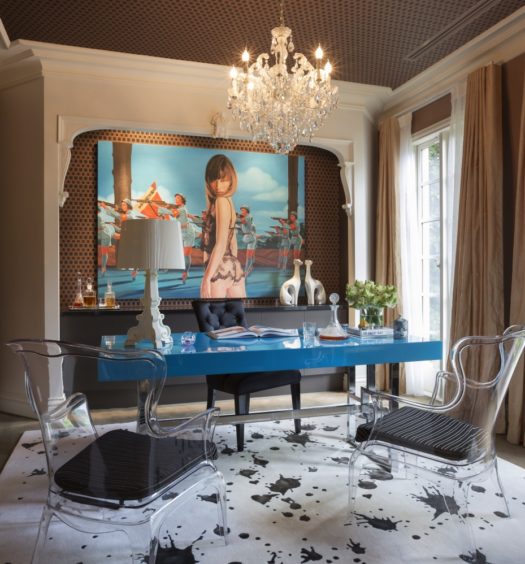
It sounds obvious, but a pulled together interior sets the tone for everything else. When the inside of your home feels intentional, that energy carries outward.
One thing that trips people up is treating every room like its own isolated project. A sleek modern sofa here, a mismatched farmhouse table there, and suddenly nothing feels cohesive.
You don’t need everything to match perfectly. But there should be a thread running through your choices. A shared palette. Recurring materials like timber or linen. A consistent level of quality.
This is where cutting corners catches up with you. That budget sofa you grabbed in a rush? You feel it every time you sit down. The wobbly dining table? It quietly annoys you at every meal.
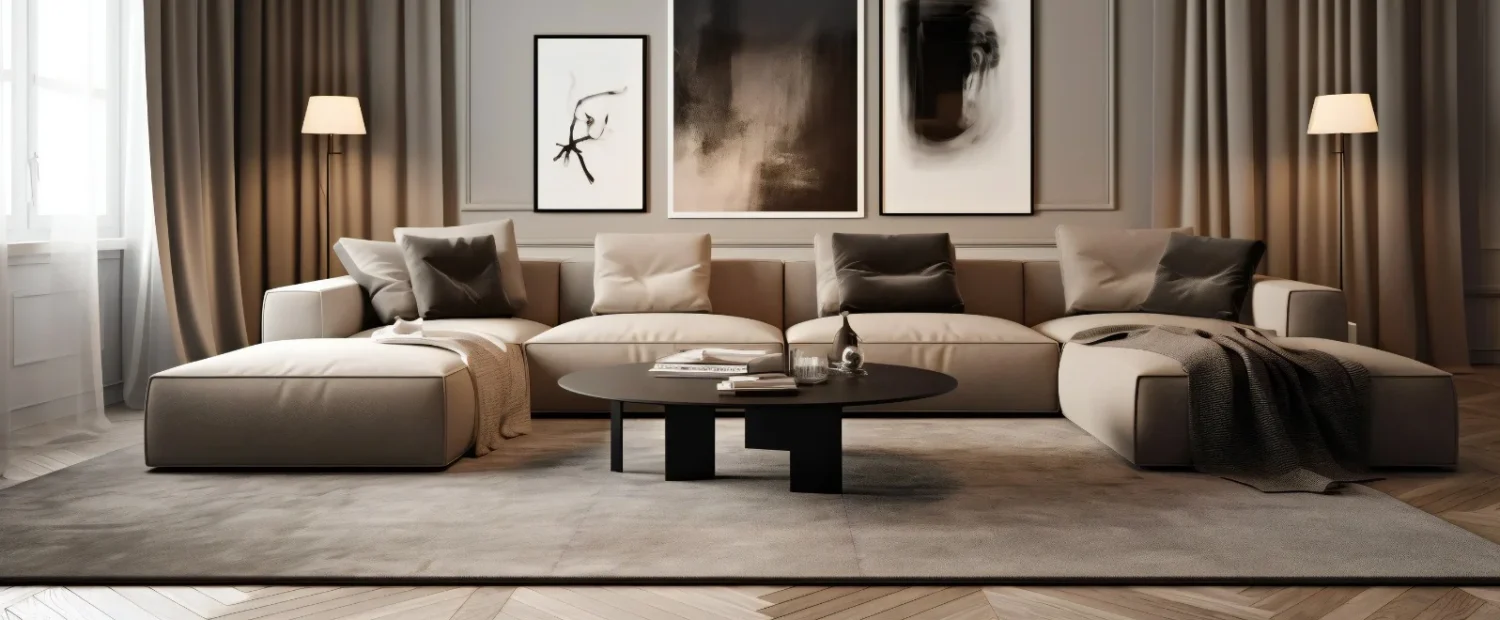
Investing in solid home furniture changes the entire rhythm of a room. You linger longer at a good dining table. You actually relax on a well built couch. These pieces become the backbone of daily comfort, not just decoration.
When choosing, think scale. A massive sectional might look amazing in a showroom but swallow your living room whole. Measure your spaces properly. And always consider what’s visible through the windows and doors leading outside, because that visual connection matters more than most people realise.
Blurring the Line Between In and Out
The transition point between inside and outside is where the real magic happens. Nail this, and your home feels twice its size. Miss it, and you’ve got two disconnected spaces that never quite gel.
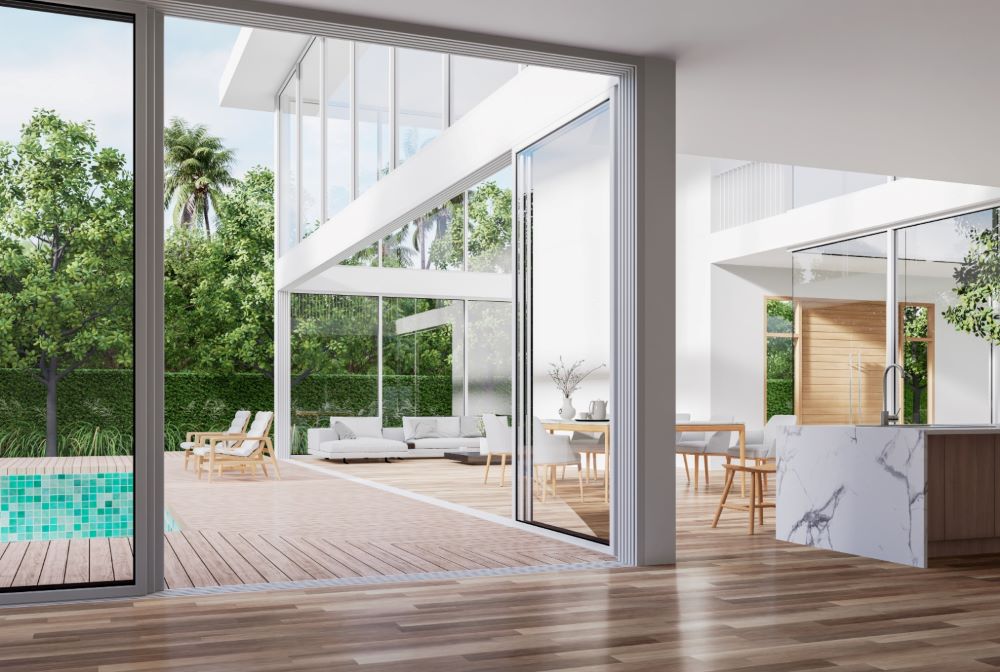
Big sliding or bi fold doors are the obvious starting point. When they’re open, the boundary practically vanishes. Even closed, that glass keeps things feeling open and connected.
But doors alone won’t do the heavy lifting.
Flooring continuity makes a huge difference. Warm timber tones inside that echo into timber decking outside create a visual flow that pulls you naturally from one space to the next.
Colour works the same way. Carry your interior palette into outdoor cushions, planters, and accessories. Suddenly everything reads as one space instead of two.
Lighting is the piece most people forget. Warm pendants or downlights inside, paired with festoon lights or recessed deck lighting outside, create a consistent mood. Harsh fluoros inside followed by a single solar stake outside? That kills the whole vibe instantly.
If you’re still in the planning stages and thinking about building a home from scratch, factoring in this kind of flow from the blueprint saves a lot of retrofitting headaches later.
Taking the Cooking Outdoors
Now for the fun part.
Outdoor cooking has moved well beyond the basic sausage sizzle on a rusty grill. More people are setting up proper cooking stations outside, and once you start, it’s genuinely hard to go back to doing everything in the kitchen.
A solid gas barbecue is a great foundation. But if you really want to step things up, adding an outdoor smoker to your setup is a game changer.
Low and slow brisket. Pulled pork that falls apart when you look at it. Smoked salmon with that deep, rich flavour you simply cannot get any other way. It’s the kind of cooking that turns a regular weekend into something people actually talk about afterwards.

Placement matters though. You want the cooking area close enough to the house that grabbing a forgotten ingredient isn’t a mission, but far enough from the seating that smoke doesn’t drift over your guests.
A covered spot is ideal so you’re not hostage to the weather every time you fire things up.
Don’t skip the practical stuff either. A prep bench, some storage for utensils, access to water. These things separate a cooking area you’ll use constantly from one that collects dust after the novelty wears off.
And good lighting over the grill is non-negotiable. Trying to judge whether your steak is done by phone torch light is nobody’s idea of a good time.
Making the Outdoor Space Somewhere You Actually Want to Be
Here’s where a lot of people drop the ball. They’ll invest in a killer cooking setup, then scatter a few cheap chairs around and wonder why nobody hangs out there.
Your outdoor lounge and dining areas deserve the same thought you’d give the rooms inside.
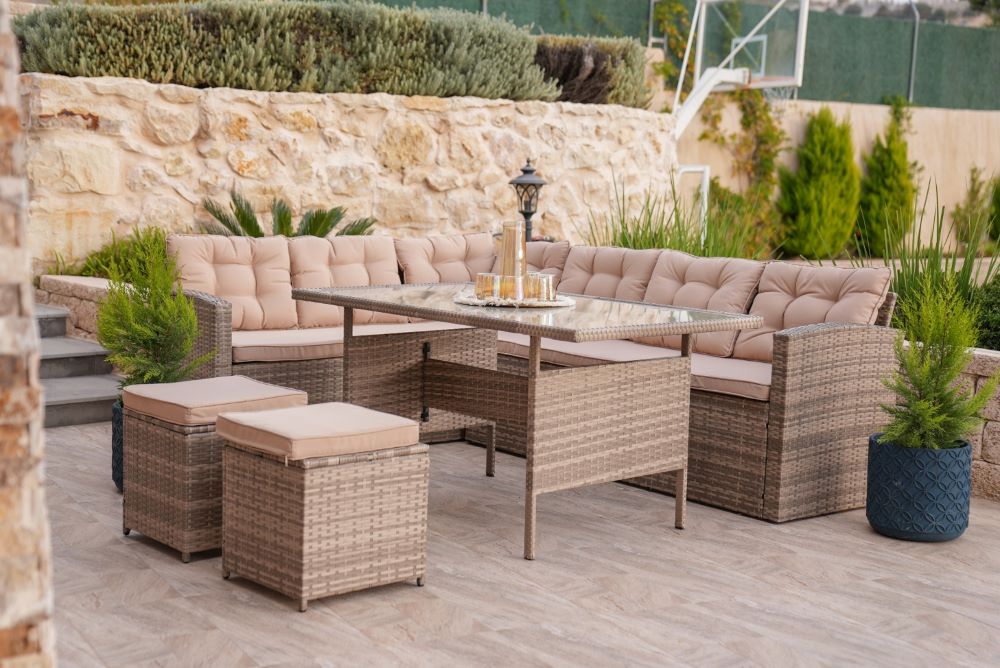
Weather resistant sofas with decent cushions. A sturdy dining table that handles everything from family dinners to craft projects with the kids. Side tables, outdoor rugs, planters that add a bit of personality.
Think about shelter too. A retractable awning, a large umbrella, or a permanent pergola with climbing plants can turn an exposed patio into a space you’ll use comfortably for months on end.
Comfort is the difference between an outdoor area that looks nice in photos and one that actually gets used every single day.
The Small Stuff That Makes It All Click
The difference between a home that looks “done” and one that truly feels complete usually comes down to details most people won’t consciously notice. But everyone feels them.
Greenery is a big one. Indoor plants near the back doors that echo what’s growing in the garden reinforce the connection between spaces. A few succulents on the outdoor table. Hanging ferns on the pergola. These touches of life soften hard edges and make everything more welcoming.
Textiles matter too. Outdoor cushions and throws in fabrics that complement what’s happening inside keep the visual story consistent. Don’t be afraid of colour and pattern outside either. Playing it safe with everything beige gets boring fast.
Then there’s scent and sound. A small herb garden near your outdoor dining area smells incredible and gives you fresh ingredients within arm’s reach. A subtle water feature adds an auditory layer that turns the backyard from “just a yard” into something that actually feels like a retreat.
Keeping It All Low Maintenance
Let’s be honest. One reason people hesitate to invest in outdoor spaces is the thought of endless upkeep. Nobody wants to spend every weekend scrubbing furniture and fighting mould.
Good news: materials have come a long way.
Quality outdoor furniture now uses aluminium frames, UV resistant fabrics, and composites that handle the elements without constant babying. A quick wipe down every couple of weeks and the occasional deeper clean is usually all you need.
For cooking gear, a decent cover does most of the work. Keeping your barbecue and smoker protected when they’re not in use extends their life significantly. Most quality units are built for outdoor conditions, but a little basic care keeps them performing well for much longer.
Timber decking needs a bit more attention, but composite alternatives have closed that gap considerably. If you love the timber look but hate the upkeep, composites are worth a serious look.
Wrapping Up
Getting your home to work beautifully inside and out isn’t about spending a fortune or gutting everything. It’s about being intentional.
See your property as one connected living space instead of a house with a yard bolted on. Start with solid interior foundations. Create genuine connections between inside and outside through smart material and colour choices. Build an outdoor cooking and lounging area you’ll actually want to use. Then tie it all together with thoughtful details.
The payoff goes well beyond aesthetics. More time outside. Better meals. A daily living experience that just feels richer.
That’s what good home design really comes down to. Not perfection. Just a space that genuinely works for the way you live.