
As the world pivots from high energy consumption to a focus on sustainable practices, energy efficiency is no longer a mere whisper along corridors; it has rapidly evolved into a mainstream revelation, tying both economic and environmental interests into a neat bow. A significant player catalysing this energy-driven shift is the Energy Star program. Born as an initiative by the U.S. Environmental Protection Agency (EPA) and the Department of Energy (DOE), the Energy Star program illuminates the path for consumers in their journey towards saving energy and mitigating the erosive effects of greenhouse gas emissions. This rating system is globally recognised for advocating energy conservation and promoting environmental stewardship.
So why should this vigour for energy efficiency resonate with Australian households and homeowners? The reality lies in the direct correlation between energy efficiency and energy expenditure. A move towards more energy-efficient practices can result in monetary savings on energy bills. Furthermore, as this switch also results in a smaller carbon footprint, it aptly aligns with the global emphasis on environmental sustainability. Therefore, furnishing our homes with Energy Star-rated products serves as an instrumental stride towards economising home energy efficiency.
This extended article offers a meticulous exploration of the Energy Star program, its historical footprint, global significance, operations, and how energy ratings explained – a cornerstone concept behind it. We will delve deeper into how Energy Star ratings are calculated, their effect on numerous household appliances, and how they stimulate innovative product development in the Australian landscape.
A Journey into the Origins and Objectives of Energy Star Ratings
The Innovation of the Energy Star program dates back to the dawn of the 1990s. With rising global apprehension surrounding excessive energy consumption and its catastrophic environmental cost, this initiative emerged as a beacon of hope. From its inception, the goal of the Energy Star program has been to reduce greenhouse gas emissions by increasing energy efficiency.
The responsibility of endorsing products with Energy Star ratings lies with multiple organisations globally. These groups are devoted to maintaining the program’s soaring standards, ensuring the accuracy of manufacturers’ statements regarding energy conservation. The influence of Energy Star extends beyond the encapsulation of mere energy savings. By endorsing energy-efficient products, it stimulated manufacturers to foster environmentally progressive designs and practices.
The Mechanism: Determining Energy Star Ratings
Energy Star ratings are bestowed on products after a meticulous procedure that includes stringent energy efficiency criteria for multiple product categories. Products that reach or exceed these benchmarks are granted the Energy Star label. For homeowners comparing appliances during a renovation or new build, this label acts as a quick indicator of performance, helping them choose systems that deliver long-term savings without compromising comfort.
To qualify for Energy Star certification, products must undergo a robust testing process. Manufacturers submit their products for evaluation, often including independent laboratory testing that measures energy consumption, affordability, and overall performance. These assessments ensure efficiency gains do not come at the expense of functionality — an important consideration when selecting appliances for modern Australian homes.
When exploring the broader landscape of efficiency labels, it helps to understand how energy ratings explained can guide smarter decisions about appliances and home systems. For example, cooling systems commonly use a star-based rating system to highlight efficiency levels. Learning what air conditioner star ratings mean can help homeowners choose systems that keep indoor temperatures comfortable while minimising running costs. As technology improves, these ratings are regularly updated to reflect new performance benchmarks, encouraging manufacturers to continue improving the energy efficiency of household products.
An Exploration of Products and Appliances Under the Energy Star Program
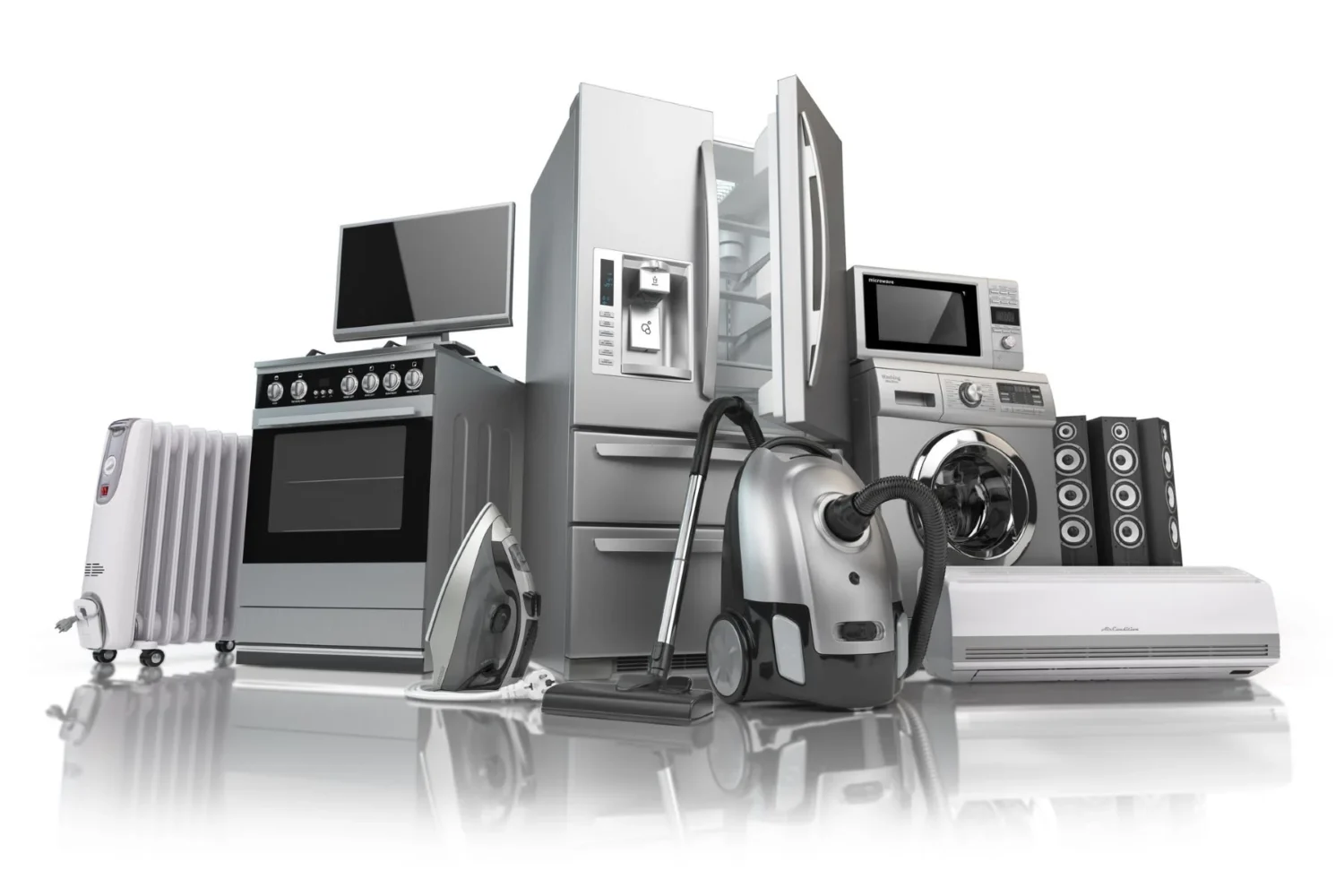
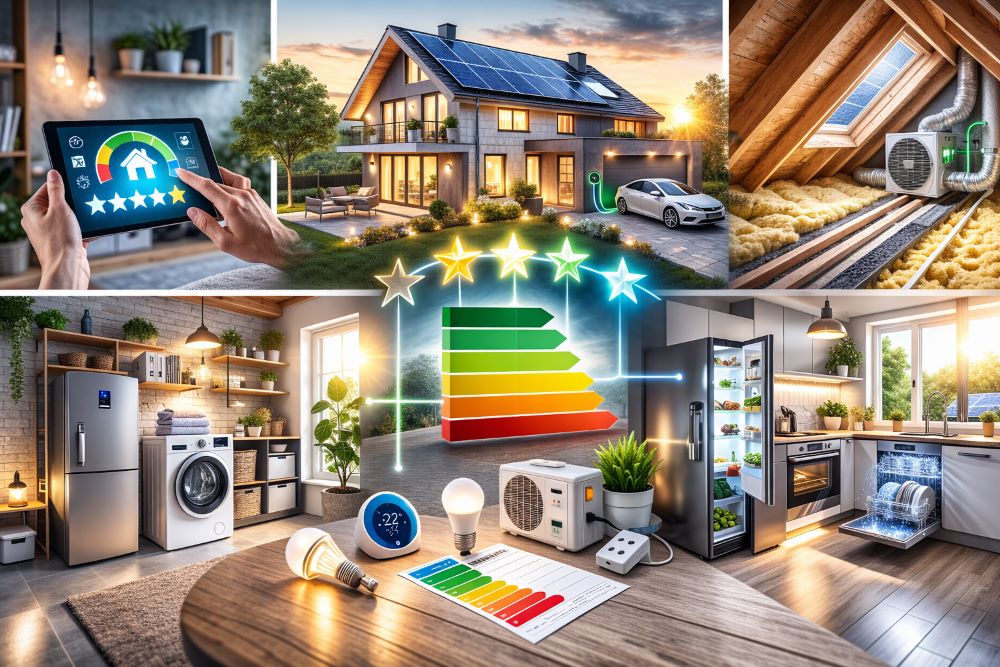
Energy Star ratings touch a vast spectrum of household products, encompassing multiple appliances, electronics, lighting solutions, and even home office equipment. This diversification invites homeowners to integrate energy-saving products seamlessly into their homes, maximising the advantages of energy efficiency.
With every passing tick on the clock, we voyage more profoundly into an era rich in technological advancements. This progression observed the inclusion of cutting-edge devices like smart home gadgets and energy-efficient cooling systems in the Energy Star program. With ongoing adjustments to the Energy Star standards, manufacturers are challenged to keep pace, which has a snowball effect on product innovation and retailer manufacturing practices, particularly in the Australian market.
Impacts: The Benefits of Choosing Energy Star-rated Products for Home Efficiency
Choosing Energy Star-rated products unfurls numerous beneficial ramifications for homeowners. Primarily, these products are a promising long-term investment that generates ripples of cost savings over time. The virtue of reduced energy consumption naturally lessens the impact of utility bills on the pocket.
On the environmental front, Energy Star-rated products become allies in our collective mission to rid our skies of greenhouse gases. By stumbling upon a path that nourishes a smaller carbon footprint, homeowners can play a constructive role in battling the menace of climate change.
Beyond the twofold impact of economic and environmental amelioration, Energy Star-rated products are ingeniously fabricated for a blowout lifespan. These appliances seek to deliver a reliable performance with minimal energy usage, offering a loftier long-term utility.
Moreover, the positive implications of these products extend into the realm of health benefits. Often designed to dissipate fewer harmful substances and enhance indoor air quality, they contribute to fostering a healthier environment at home.
Mastery of Energy Star: Tips for Homeowners
The methodical incorporation of Energy Star-rated products into home upgrades and renovations can cast a wider net of the benefits they offer. Several utility companies in Australia open gates to various rebates and incentive programs endorsing the usage of Energy Star-certified products in homes. Being aware of these incentives allows homeowners to make profound, informed decisions while weighing the options on electronic goods for their home.
Additionally, constant maintenance and prudent usage of these appliances could amplify their lifespan and efficiency. Adopting this hands-on approach may ensure that energy-efficient appliances chug along at optimal levels for longer periods, thereby proving a more lucrative long-term investment.
Choosing Energy-Efficient Appliances for Smarter Australian Homes
Energy Star ratings simplify energy performance comparisons and provide a reliable guide for Australian homeowners planning upgrades, renovations, or new builds. Understanding appliance efficiency — particularly systems like air conditioning, lighting, and major appliances — allows homeowners to create houses that are both comfortable and cost-efficient to run.
Investing in energy-efficient appliances today can translate into lower energy bills, reduced environmental impact, and a healthier indoor environment. For many Australians building or renovating, energy-smart choices are becoming just as important as design, layout, and materials.
Looking ahead, continued innovation in energy-efficient technologies means homeowners will have even more opportunities to reduce household energy use. By understanding how rating systems work and using them to guide purchasing decisions, Australians can build homes that deliver long-term comfort, sustainability, and value.