



A recent heritage terrace renovation in Melbourne shows where Australian heating is heading. The architect removed every gas appliance and still wanted quiet, elegant winter comfort.
The answer was not one system. Reverse-cycle air conditioning handled efficient background heating, while wall-mounted electric radiators served the rooms where silence, steady warmth, and clean lines mattered most.
That approach matches regulation. From 1 January 2024, new Victorian homes must be all-electric with no new gas connections, and the ACT restricted new fossil-fuel gas network connections in December 2023.
For owners, architects, and renovators, the practical questions are clear: which type works, how large should it be, where should it sit, and when is it worth using instead of a heat pump?
What An Electric Room Radiator Is
An electric room radiator is a resistance heater that converts electricity directly into heat from a compact, usually wall-mounted or portable body.
At the heater itself, nearly every kilowatt-hour it uses becomes heat in the room. That sounds ideal, but a heat pump is usually cheaper to run because it moves heat instead of creating it, so it can deliver several units of heat for each unit of electricity.
Most quality electric radiators use a mix of radiant and convective heat. Radiant heat warms people and surfaces directly, while convective heat warms the air that moves through the space.
Portable plug-in models usually draw up to 2.4 kW on a standard 10-amp outlet. Fixed hardwired units can sit on dedicated circuits for a cleaner look, better cable management, and a more permanent fit in living spaces, bedrooms, and bathrooms where permitted.
Why Electric Radiators Suit Gas-Free Homes
Electric radiators solve several design and retrofit problems that gas systems and ducted systems do not.
Regulatory Alignment
Homes planned without gas need heating that avoids flues, gas plumbing, and combustion risks. Electric radiators fit that brief and sit comfortably inside the policy shift already visible in Victoria and the ACT.
Design And Acoustics
They run without compressor noise, fan rush, or an outdoor condensing unit on the facade. That matters in quiet bedrooms, formal living rooms, and heritage streetscapes where visual clutter and sound both stand out.
Zoned Comfort
Each room can have its own thermostat and heating schedule. That keeps a study warm in the morning, a bedroom warm at night, and an unused guest room off, which is more sensible than heating the whole house to satisfy one space.
Retrofit Ease
Older homes rarely welcome new ducts, flues, or major wall chases. A fixed electric wall radiator can usually be added with far less disruption, which is why it suits terraces, apartments, and staged renovations where services are tight.
Solar And Grid Synergy
Australia passed four million small-scale renewable energy systems by December 2024, and the National Electricity Market’s renewable share exceeded 50% in Q4 2025. Smart timers let owners pre-heat rooms during strong solar production, which cuts both running costs and emissions.
How Electric Radiators Compare With Other Heating Options
Radiators excel in specific rooms, while heat pumps still win on whole-home efficiency.
That distinction matters because many buyers expect one product to do everything well. In practice, the best systems are layered, with efficient background heating from a heat pump and quieter top-up heating where comfort and design matter most.
| Use Case | Best Option
|
| Whole-home efficiency | Reverse-cycle air conditioning |
| Silent, steady living-room warmth | Oil-filled or dry-thermal radiator |
| Fast warm-up in a study or guest room | Convector panel |
| High ceilings, entries, or bathrooms | Infrared panel with suitable IP rating |
| Heritage rooms with limited services | Slim wall-mounted radiator |
The trade-off is straightforward. Radiators usually cost more to run per unit of heat, while heat pumps cost more upfront and need an outdoor unit that can affect planning, noise, and facade design. In colder climate zones 7 and 8, radiators usually work best as support heating rather than the main event.
Types Of Electric Radiators
The right radiator depends on how fast the room should warm, how quiet it must stay, and how much glazing or draught the space has.
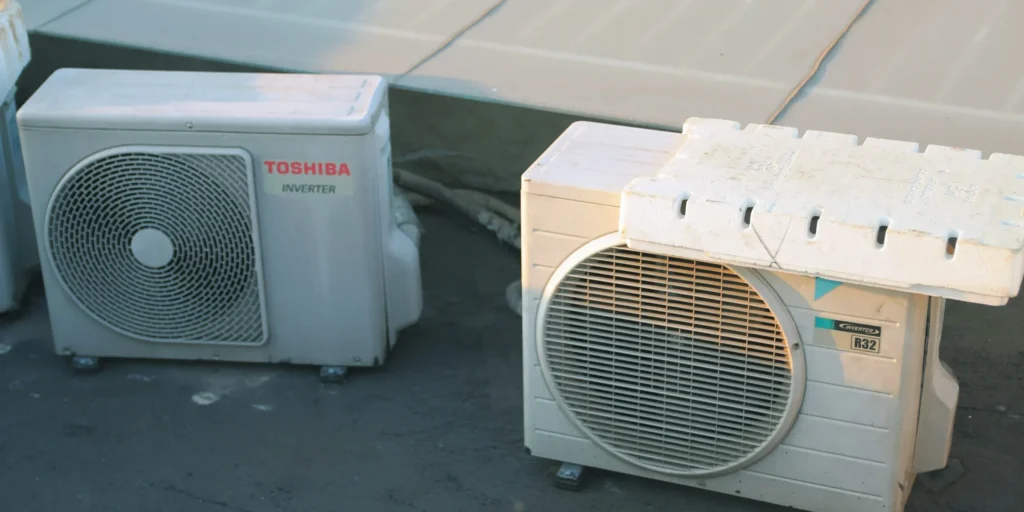
Oil-Filled Column: These units warm slowly, but they hold heat well after the power cycles off. They are fully silent and suit bedrooms, nurseries, and living rooms where steady comfort matters more than speed.
Dry-Thermal Or Ceramic: These models use a solid heat-retaining core instead of oil. They usually respond faster than oil-filled units, stay slim on the wall, and suit living spaces that need quiet heat with a little more agility.
Convector Panel: A convector warms the air quickly, so it is useful in home offices, guest rooms, and other spaces used for short periods. Fan-assisted versions speed things up further, but they add some noise, which not every buyer wants.
Infrared Radiant Panel: Infrared panels warm people and surfaces directly rather than relying on air movement. That makes them useful near large windows, in high-ceiling rooms, and in draught-prone entries where warm air can drift away before the room feels comfortable.
Electric Hydronic-Style Wall Radiator: These sealed-fluid units give even, gentle heat and usually come in more refined finishes. They cost more than basic panels, but they suit formal spaces where the heater is expected to read as part of the interior rather than as a utility object.
When To Choose Radiators Over Heat Pumps
Radiators are best used to solve specific comfort and design problems that heat pumps do not solve as neatly.
For heritage terraces, coastal weekender bedrooms, or gallery-like living spaces where ducting isn’t feasible, designers often prefer a wall-mounted heater that delivers quiet, zoned warmth with minimal disruption to stone-and-timber palettes and that works cleanly with smart timers, especially in renovations where chasing walls or adding outdoor units would compromise the facade; in those cases, choosing an electric radiator can be the most refined option.
Start with the building shell, insulation, draft sealing, and an efficient heat pump for baseline heating wherever practical. Then add electric radiators in the rooms where silence matters, where the facade should stay clean, or where short, independent heating cycles make more sense than conditioning the whole house.
A stone-floored living room with tall glazing may benefit from an infrared panel near seating. A bedroom for a light sleeper may suit an oil-filled or dry-thermal wall unit. A guest room used a few weekends each year may only need a convector on a timer. Heritage terraces and older apartments also benefit because they rarely have easy paths for ducts or outdoor units.
The main caution is cost. Radiators are rarely the smartest choice for heating a large, leaky open-plan home all day. They are a smarter choice in smaller zones, in quiet rooms, and in staged electrification projects where owners want immediate gas-free heating before a bigger upgrade later. When comparing products, check thermostat accuracy, smart-home compatibility, warranty support in Australia, and whether the output matches the calculated heat load.
How To Size, Cost, And Place Electric Radiators
Correct sizing and placement matter more than brand names because heating and cooling account for about 40% of energy use in the average Australian home.
Sizing Basics
Start with heat load, not with wall space. Floor area, ceiling height, insulation, glazing, orientation, and climate zone all affect the wattage a room needs.
As a rough guide, a well-insulated room in a mild zone may need 60 to 80 watts per square metre, while a cooler zone or poorly insulated room may need 90 to 120 watts per square metre. A 14 square metre bedroom in climate zone 6 with 2.7 metre ceilings and decent insulation will usually land around 1.2 to 1.4 kW, but the final choice still needs to match manufacturer data and circuit capacity.
Running-Cost Maths
The basic formula is simple. Power in kilowatts multiplied by hours of use multiplied by the electricity tariff gives the daily cost.
A 1.5 kW radiator running for five hours at $0.30 per kilowatt-hour costs about $2.25 a day, or $67.50 over a 30-day month. Some owners see that figure and rule radiators out, but that only tells half the story. If the heater serves one occupied room, runs on a timer, and uses daytime rooftop solar for part of the load, the real cost can fall sharply.
Placement And Design Integration
Place radiators under windows or along cold external walls where they can counter downdrafts and cold surface radiation. Keep at least one metre clearance from curtains, furniture, bedding, and drying racks, as Fire and Rescue NSW advises, and never drape fabric over a heater.
In bathrooms, use only models with a suitable ingress protection, or IP, rating and install them in compliant zones. Align the unit with skirting lines, window heads, or joinery edges so it looks intentional, and use smart controls such as programmable thermostats, open-window detection, and solar-hour scheduling to improve comfort without wasting power.
Safety And Compliance
Safe selection and installation matter just as much as output because a heater is only one part of winter performance.
Air leakage can account for about 15 to 25% of winter heat loss, so sealing obvious gaps still matters. Even the best radiator will struggle in a room that leaks warm air around windows, doors, and old floorboards.
– Product Certification: Check that the heater is certified to AS/NZS 60335.2.30, the joint Australian and New Zealand standard for electric room heaters.
– Electrical Installation: Fixed units must be installed by a licensed electrician under AS/NZS 3000, the Wiring Rules. Circuits should have residual current device, or RCD, protection. Queensland banned Type AC RCDs from 30 April 2023.
– Clearance And Protection: Maintain one metre from combustibles. For portable units, look for tip-over protection and an overheat cut-out, especially in children’s rooms.
– Cords And Outlets: Do not run cords under rugs, do not rely on overloaded power boards, and avoid double adaptors for high-load heaters.
– New Home Performance: NCC 2022, the National Construction Code, requires the equivalent of 7-star Nationwide House Energy Rating Scheme, or NatHERS, thermal performance plus a Whole-of-Home energy budget for major fixed appliances.
If a bathroom, laundry, or entry vestibule is part of the brief, confirm the heater’s IP rating, surface temperature limits, and approved installation zone before work starts.
Common Questions
Most buying mistakes come from treating every electric heater as if it performs the same way.
Are Electric Radiators Expensive To Run?
They cost more per unit of heat than reverse-cycle air conditioning. They become more reasonable when they heat only occupied rooms, run on timers, and use rooftop solar during the day.
Can You Leave A Radiator On Overnight?
Yes, if the unit has a thermostat, clearances are maintained, and the manufacturer allows that use. Bedrooms should use models with overheat protection, and nothing should ever cover the heater.
Where Do Infrared Panels Work Best?
They work best in draughty areas, high-ceiling rooms, entries, and spaces with large glazing. Because they warm people and surfaces directly, they can feel effective even when the air itself is harder to hold warm.
Which Australian Standards Matter?
For the heater itself, look for AS/NZS 60335.2.30 certification. For fixed installation, the key electrical requirement is AS/NZS 3000, plus compliant RCD protection and any location-specific bathroom rules.
Bringing It Together
Electric radiators work best when they are sized properly, placed carefully, and paired with a broader all-electric strategy.
Use heat pumps for efficient background heating, then use radiators to add quiet, local comfort where the house needs it most. That mix supports cleaner energy, better zoning, and a warmer home without forcing every room to be heated in the same way.
You Might Also Like


