
There is a moment most NSW homeowners eventually reach, standing in a sweltering living room in February, watching a standard blind do almost nothing against the afternoon glare, and realising that a better long-term solution exists. Add in the frustration of street-facing windows offering zero privacy, or energy bills climbing through every summer, and the case for upgrading becomes hard to ignore.
Window shutters address all of these pain points in one investment. They are built to last, designed to perform across every season, and capable of improving comfort, privacy, and energy efficiency without the replacement cycle that curtains and blinds typically demand.
Homeowners looking to improve comfort and style often invest in Window Shutters in NSW to enhance privacy, control natural light, and increase energy efficiency, and the results speak for themselves across thousands of Australian homes.
This guide covers what you need to know before buying: the types available, how to choose the right material, what installation involves, and how to think about long-term value.
Understanding Different Types of Window Shutters
Choosing correctly starts with knowing what each shutter type is actually designed to do, because the category is broader than most people initially assume.
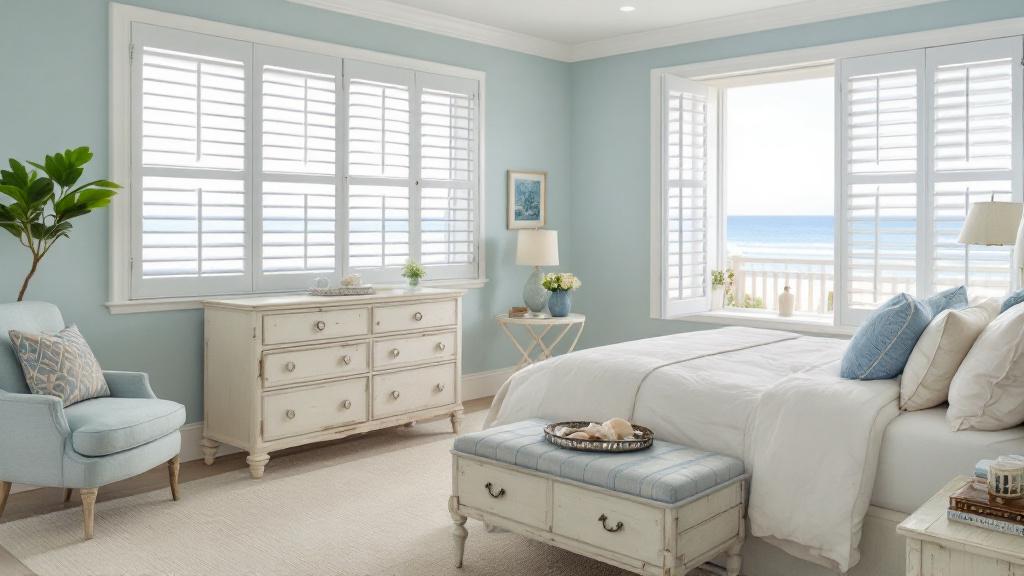
Plantation shutters are the most recognised interior option. Wide, adjustable louvres sit within a solid frame that mounts inside or over the window opening. They suit virtually every interior style, from contemporary apartments to Federation-era homes, and give precise daily control over light and airflow.
Roller shutters are installed externally and operate via a rolling mechanism. For added security and insulation, many homeowners choose Roller Shutters in NSW, especially for external windows exposed to harsh weather conditions. Beyond security, roller shutters can reduce external noise and improve thermal performance, making them a particularly popular choice in urban areas and homes near busy roads.
Outdoor shutters, aluminium louvre panels or solid board styles, are engineered to handle direct weather exposure on verandahs, alfresco areas, and external-facing openings. They are built for UV resistance, rain, and coastal conditions.
Fixed vs adjustable louvre shutters come down to flexibility. Fixed louvres are set permanently, suited to architectural applications where aesthetics take priority. Adjustable louvres can be angled throughout the day, giving the homeowner full control over light and ventilation at any hour.
At a glance:
– Plantation shutters — stylish and ideal for interiors
– Roller shutters — best for security and insulation
– Outdoor shutters — built for weather protection
– Adjustable shutters — flexible, everyday light control
Choosing the Right Material for Durability and Style
Material choice determines long-term performance just as much as it determines appearance. Getting this decision right for your specific environment is essential.
Timber shutters deliver warmth and natural grain variation that engineered materials rarely replicate. They accept paint and stain finishes beautifully and suit formal or heritage interiors. The practical caveat is moisture sensitivity, timber expands and contracts with humidity, making it unsuitable for bathrooms, laundries, or rooms with significant temperature swings.
PVC and vinyl shutters resolve the moisture problem entirely. They resist humidity, wipe down easily, and hold their shape over time without warping. PVC shutters are commonly used in kitchens and bathrooms due to their resistance to humidity, and modern manufacturing has closed the visual gap with timber considerably.
Aluminium shutters offer maximum structural strength, the natural choice for large openings, external applications, and situations where rigidity matters. They are corrosion-resistant, UV-stable, and demand very little upkeep over their lifespan.
Material comparison:
– Timber — natural look, premium finish, avoid in high-moisture areas
– PVC — moisture-resistant, low maintenance, ideal for wet rooms
– Aluminium — strong, durable, best for outdoor and large-format use
Actionable tip: Match your material to room conditions first, aesthetics second. A timber shutter in a humidity-prone bathroom will warp and fail regardless of how good it looks at installation.
Considering Light Control, Privacy, and Energy Efficiency
Shutters earn their place through practical performance, not just appearance. The benefits compound across every room in the home.
Adjustable louvres allow you to direct or diffuse light at any angle, reducing glare on a screen or television without closing the room off entirely. This level of precision is simply not available with fixed blinds or curtains.
Privacy control is equally nuanced. By angling louvres upward, you maintain outward sightlines from inside while blocking the reverse view from street level, a meaningful advantage for ground-floor rooms facing footpaths or neighbouring properties.
Thermally, well-installed shutters can significantly reduce heat gain in summer and heat loss in winter, functioning as an additional insulating layer at the window surface. Bedrooms benefit particularly from shutters that block light effectively, improving sleep quality through the warmer months.
Key benefits:
– Reduce glare while maintaining natural light
– Improve privacy without blocking airflow
– Help regulate indoor temperatures year-round
– Lower energy costs over time
Measuring, Installation, and Custom Fit Options
Even the best shutters underperform when poorly measured or installed. This is where professional involvement pays for itself.
Windows are rarely as square and level as they appear. Small variations in reveal depth, frame profile, and out-of-plumb openings all affect how a shutter sits and operates. A professional measure captures these variables and ensures the manufactured product fits correctly the first time.
Custom shutters provide a better fit and finish, especially for uniquely shaped or large windows. Bay windows, arched openings, and non-standard-sized frames, common in older NSW homes, require custom manufacture to achieve a result that looks intentional rather than approximate.
Inside mount sits within the window recess for a clean, integrated appearance. Outside mount fixes to the surrounding wall surface, useful when reveal depth is insufficient or a larger visual frame is preferred.
Installation considerations:
– Window size, shape, and frame irregularities
– Reveal depth and mount type suitability
– Operating mechanism, tilt rod, hidden tilt, or motorised
– Daily accessibility, particularly for larger or higher windows
Maintenance, Longevity, and Cost Considerations
Shutters carry a higher upfront cost than most blinds or curtains, and that figure deserves to be held alongside the full lifespan picture.
High-quality shutters can last 10–20 years or more depending on material and maintenance. Across that timeframe, the cost-per-year calculation frequently favours shutters over repeated blind or curtain replacement cycles. They also stay with the property when a home is sold, presenting as a fixed feature rather than a furnishing to be packed up.
Cleaning is straightforward across all materials. Regular dusting with a soft cloth or low-suction vacuum prevents build-up in louvre channels. PVC and aluminium respond well to a damp wipe-down. Timber requires products formulated for sealed timber, harsh chemicals damage the finish over time.
Maintenance tips:
– Dust louvres regularly with a soft cloth
– Avoid harsh chemicals on timber shutters
– Check hinges and moving parts periodically
– Wipe aluminium and PVC with a damp cloth as needed
Aluminium shutters in particular require minimal maintenance and can last for decades in outdoor environments, making them one of the most cost-effective long-term investments available for external window applications.
Frequently Asked Questions
What are the best window shutters for homes in NSW? It depends on your priorities. Plantation shutters are the most popular choice for interior living spaces, while roller shutters are the preferred option where security and insulation are the primary drivers.
Are window shutters energy efficient? Yes. Shutters reduce heat transfer at the window surface, limiting heat gain in summer and retaining warmth in winter, which translates to measurable energy savings over time.
How long do window shutters last? High-quality shutters last 10–20 years or more depending on material and care. Aluminium shutters in external applications are particularly long-lived.
Are custom shutters worth the investment? For most NSW homes, yes. Custom shutters deliver a more precise fit, better long-term performance, and a noticeably more polished appearance than off-the-shelf alternatives.
Can shutters increase property value? Yes. Well-designed shutters improve aesthetics, functionality, and energy efficiency, all of which are factors that appeal to prospective buyers and can enhance overall property value.
Making the Right Choice for Your Home’s Comfort and Value
The right window shutters do more than cover a window, they regulate how your home feels across every season, how much privacy you enjoy, and how efficiently you manage heat and light year-round.
For NSW homeowners, the decision comes down to matching shutter type and material to the specific demands of each space, investing in professional measurement and installation, and thinking in decades rather than years. Chosen well, shutters are one of the few home improvements that deliver on both function and form without asking for much in return.
You Might Also Like