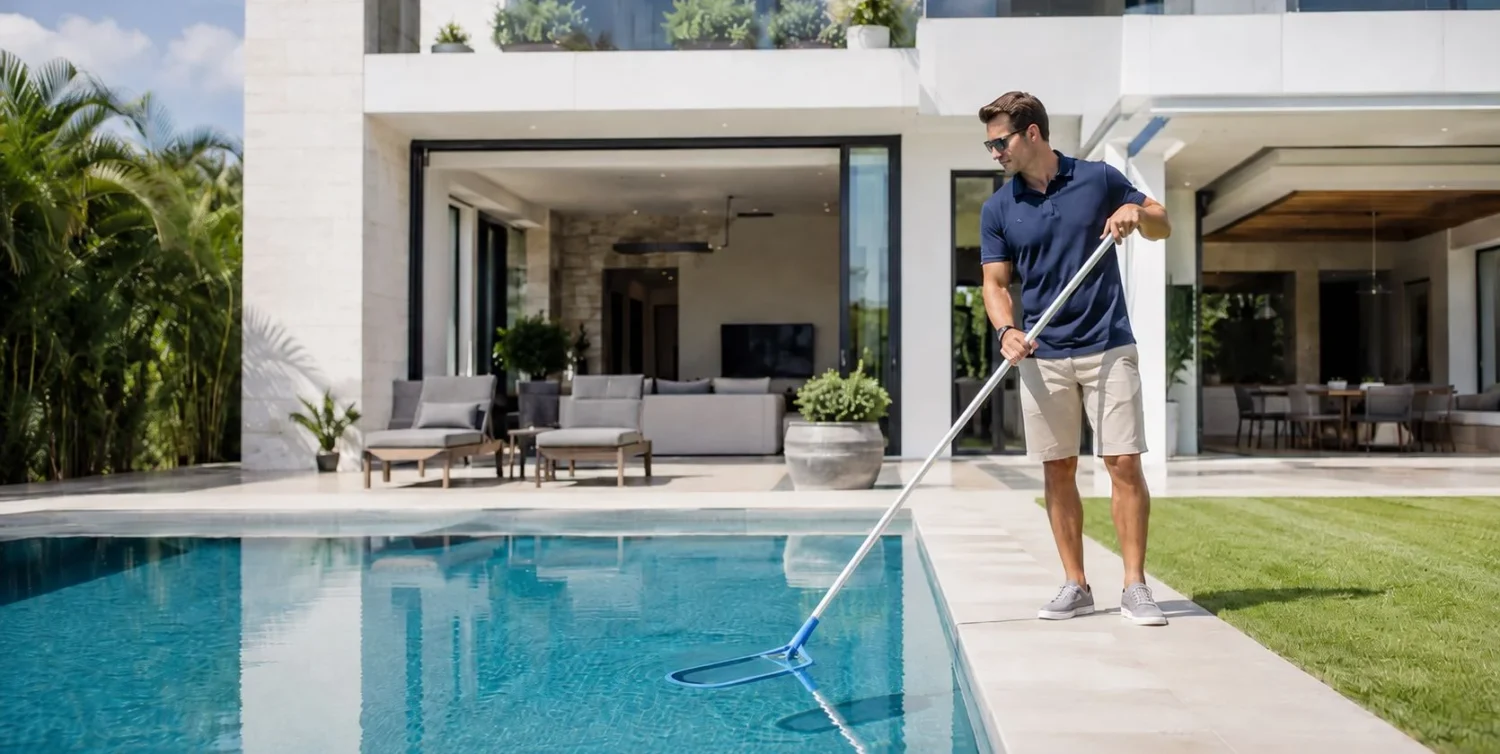

Keeping a pool clean sounds simple, until you’re constantly fishing out leaves, brushing walls, and battling cloudy water. The good news is that modern pool cleaner systems can dramatically reduce maintenance and help keep your pool looking great with far less effort.
But not all pool cleaners work the same way.
The best option depends on your pool size, budget, debris levels, and how hands-on you want to be with maintenance.
Here’s a practical guide to the best pool cleaner options for easier pool care.
Why a Good Pool Cleaner Matters
A quality pool cleaner helps reduce:
– Manual vacuuming
– Dirt and debris build-up
– Algae risk
– Strain on filtration systems
The right cleaner can save time while helping maintain better water quality.
1. Robotic Pool Cleaners
Robotic cleaners are often considered the premium option.
How They Work:
They operate independently from your pool pump and filtration system.
Simply place the cleaner in the water and let it clean automatically.
Benefits:
– Thorough cleaning performance
– Cleans floors, walls, and waterline (on many models)
– Energy efficient
– Minimal manual effort
Best For:
– Busy homeowners
– Larger pools
– People wanting maximum convenience
Considerations:
Usually the higher upfront investment.
But many pool owners find the convenience worth it.
2. Suction Pool Cleaners
Suction cleaners connect to your skimmer or suction line.
How They Work:
They use your pool pump’s suction power to move around the pool collecting debris.
Benefits:
– More affordable option
– Simple operation
– Easy installation
Best For:
– Small to medium pools
– Light to moderate debris levels
– Budget-conscious homeowners
Considerations:
Performance depends heavily on your filtration system and pump setup.
3. Pressure Pool Cleaners
Pressure cleaners use water pressure to move through the pool and collect debris.
Benefits:
– Good for larger debris
– Helps reduce strain on pool filters
– Often includes collection bags
Best For:
– Pools with lots of leaves or debris
– Larger outdoor pools
Considerations:
Some systems require booster pumps.
4. Manual Pool Vacuums
Sometimes the old-fashioned approach still works.
Benefits:
– Lower upfront cost
– Greater cleaning control
– Useful for spot cleaning
Best For:
– Smaller pools
– Budget-conscious owners
– Occasional maintenance
Drawback:
Requires manual effort.
If convenience is the priority, automatic systems are usually easier.
What Type of Debris Does Your Pool Get?
This matters more than many people realise.
Lots of Leaves?
Consider:
– Robotic cleaners
– Pressure cleaners
Fine Dirt or Sand?
Look for:
– Strong filtration capability
– Fine debris collection
Mostly Light Maintenance?
A suction cleaner may be enough.
Matching the cleaner to your environment helps avoid frustration.
Pool Size Matters
Smaller Pools:
Often work well with:
– Suction cleaners
– Compact robotic models
Larger Pools:
Usually benefit from:
– Higher-capacity robotic cleaners
– Pressure systems designed for larger coverage
The wrong cleaner can struggle to keep up.
Consider Your Pool Surface
Different pools sometimes suit different cleaner styles.
Common Pool Types:
– Fibreglass pools
– Concrete pools
– Vinyl-lined pools
Check compatibility before choosing a pool cleaner, especially for delicate surfaces.
How Much Automation Do You Want?
Ask yourself:
Do You Want “Set and Forget”?
Robotic Pool Cleaners:
Best for:
– Minimal effort
– Automated cleaning schedules
– Less hands-on maintenance
Manual Systems:
Better for:
– Lower upfront costs
– Occasional cleaning needs
Convenience usually comes at a higher price point.
Energy Efficiency Considerations
Modern robotic cleaners are often surprisingly efficient.
Because they:
– Operate independently
– Don’t rely heavily on the pool pump
– Reduce filtration strain
This can sometimes improve overall efficiency.
Features Worth Looking For
When choosing a pool cleaner, useful features may include:
Smart Navigation
For better cleaning coverage.
Wall Climbing
Helpful for deeper cleaning.
Fine Debris Filtration
Better for dust and sand.
Easy Filter Cleaning
Makes maintenance easier.
Programmable Cycles
For automated operation.
The right features depend on your pool and cleaning habits.
Which Pool Cleaner Is Best?
Robotic Pool Cleaner:
Best for:
– Convenience
– Thorough cleaning
– Busy households
Suction Pool Cleaner:
Best for:
– Budget-friendly maintenance
– Smaller pools
Pressure Pool Cleaner:
Best for:
– Heavy debris environments
Manual Vacuum:
Best for:
– Small pools
– Spot cleaning
There’s no universal “best”, only what works best for your pool.
Final Thoughts
The best pool cleaner for easy pool maintenance depends on your pool size, debris levels, budget, and how hands-off you want the cleaning process to be. Robotic cleaners offer maximum convenience, while suction and pressure systems can provide excellent value depending on the setup.
Choosing the right cleaner can dramatically reduce maintenance time and help keep your pool cleaner, healthier, and more enjoyable all year round.
You Might Also Like