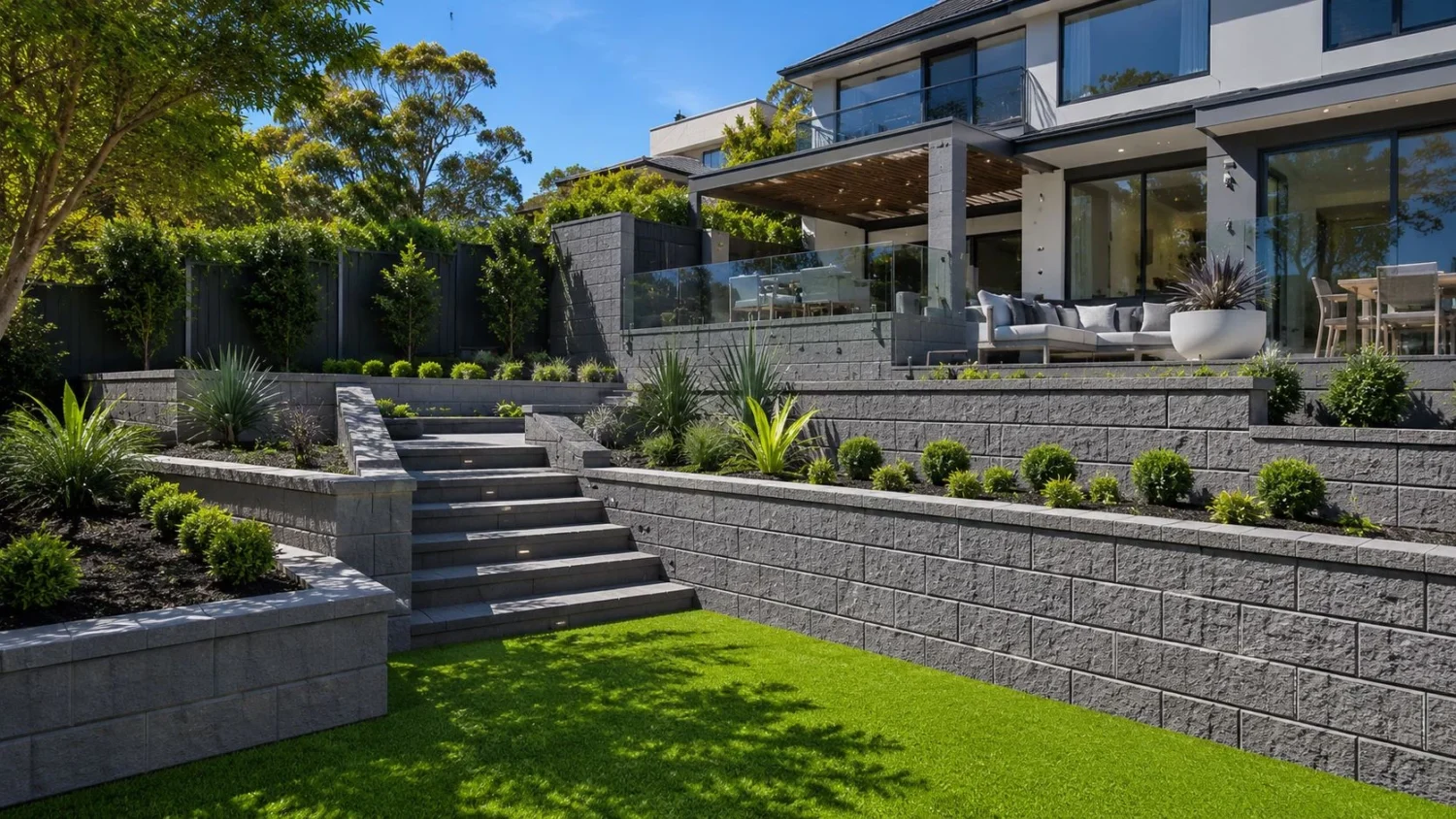

A sloping block is one of the best things that can happen to a custom home. The fall in the land gives a design split levels, framed views, and a garden that steps rather than sits flat. Many of Melbourne’s most striking houses are built on ground that first looked like a problem.
The piece that makes that slope work is almost always below the eye line. A retaining wall holds the cut earth, creates the level pads a builder needs, and sets the lines a garden later follows. Working with a specialist in Retaining Walls Melbourne early in the design keeps those structures from becoming an afterthought bolted on at the end. The wall should be drawn with the house, not after it.
Custom-home owners who treat the wall as part of the architecture get a cleaner result. Get it wrong and the same wall stains, leans, or pushes a budget sideways during the build.
Why the Wall Belongs In the Early Design
A retaining wall does structural work, so it cannot be styled in at the finish stage. The wall decides where the level floor sits, how the driveway grades, and where water travels. Those choices ripple through the whole site plan.
Height drives the rules. In Victoria a building permit is generally required once a retaining wall reaches 1.0 metre or sits near a boundary. Walls over 800 millimetres usually call for engineering input under AS 4678, the Australian Standard for earth-retaining structures. A builder with more than 15 years on Melbourne blocks reads these triggers fast.
Three early decisions shape every wall:
– Height and setback, which set the permit path and the engineering.
– Material, which ties the wall to the home’s finish.
– Drainage, which decides whether the wall lasts 5 years or 50.
Bringing those into the first sketches keeps the budget honest. The same material choices that define premium materials and finishes inside a home apply just as hard to the wall in the garden.
Drainage Is the Detail That Saves the Wall
Most retaining walls that fail do not fail on strength. They fail because water built up behind them. Trapped water adds enormous pressure, and that pressure is what cracks, bows, or topples a wall.
A well-built wall moves water away on purpose. Behind the face sits a 300 millimetre zone of clean 20 millimetre aggregate, wrapped in geotextile so fine soil cannot clog it. A 100 millimetre slotted ag pipe runs along the base at a minimum 1:100 fall and carries the water to a safe outlet.
Good drainage follows a clear order:
– A free-draining gravel zone directly behind the wall face.
– A geotextile filter so soil fines stay out of the gravel.
– A 100 millimetre ag drain with a steady fall to daylight.
– Weep holes of 50 to 75 millimetres set at 1.5 to 3.0 metre centres.
State guidance on managing stormwater backs the same principle for any built surface, as the EPA Victoria advice on stormwater makes plain. Water that is planned for is water that does no harm.
Matching the Wall to a Custom Home
A retaining wall is one of the largest surfaces a visitor sees, so its finish matters. The wall can disappear into planting or stand out as a feature. Both are valid, but the choice should be deliberate.
Concrete sleeper walls suit clean, modern homes and paint or render well. Timber reads warm and softens a steep cut. A gabion is a wire cage packed with rock, and a gabion wall carries texture that feels at home against natural stone or a coastal palette.
Owners building in a relaxed style often pair stone walls with the same materials seen in a modern coastal farmhouse, where the stonework and the house speak one language. The wall then frames the garden rather than fighting it. A consistent palette across house, wall, and paving is what reads as designed.
Protecting the Slope Above and Below
A retaining wall changes how a whole slope behaves, not just the metre it holds. Cut a bank too steep without support and the soil above can move. The wall is one piece of a larger plan to keep ground stable.
Planting plays its part here. Deep-rooted species bind the surface and slow the run of water across bare earth. The mechanics of hillslope erosion on exposed slopes show why bare ground sheds soil so fast. A wall and a planting plan work as a pair, and one without the other leaves the slope exposed.
Smart sites use a few low-cost moves to back up the wall:
– Direct downpipes well clear of the retained soil.
– Plant the batter above the wall within the first season.
– Keep heavy loads, like a driveway, off an unengineered zone.
Frequently Asked Questions
Do I Need a Permit for a Retaining Wall In Melbourne?
In Victoria a building permit is generally required once a wall reaches 1.0 metre, or where it sits near a boundary or other building work. Walls under that height are often exempt on their own. Because councils vary, confirm the rules for your block before any digging starts. A builder who works across Melbourne can read the height triggers quickly. Treat the permit step as part of the design, not a delay at the end.
How Long Should a Retaining Wall Last?
A well-built wall with proper drainage should last decades, often 30 to 50 years. The number that matters is not the material but the water management behind it. A wall with no drainage can show stress within 5 years. Clean aggregate, a wrapped ag drain, and a clear fall do most of the heavy lifting. Spend the budget on what sits behind the face, not just the face itself.
What Is the Best Material for a Sloping Block?
There is no single best choice, since the right material follows the home’s style and the height of the cut. Concrete sleepers suit modern homes and tall cuts. Timber softens a low garden wall. Gabion and rock carry texture for a natural look. Match the wall to the house, the soil, and the budget rather than to a trend.
Can a Retaining Wall Add Value to a Custom Home?
Yes, a well-designed wall lifts both the use and the look of a sloping block. It creates flat, usable garden levels where there was only a slope. Buyers read a clean, well-drained wall as a sign the whole site was built with care. The structure earns its cost over the life of the home.