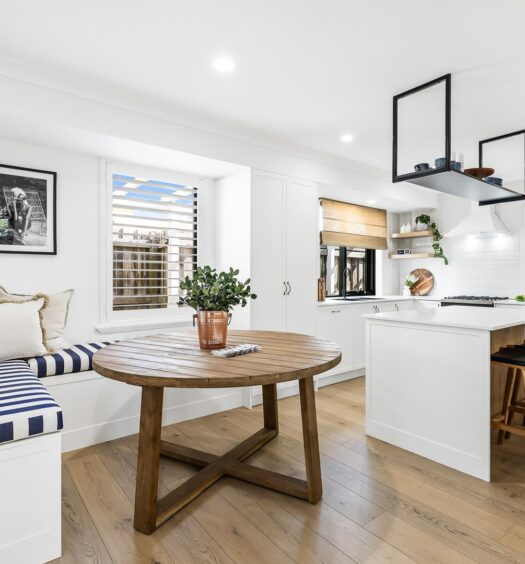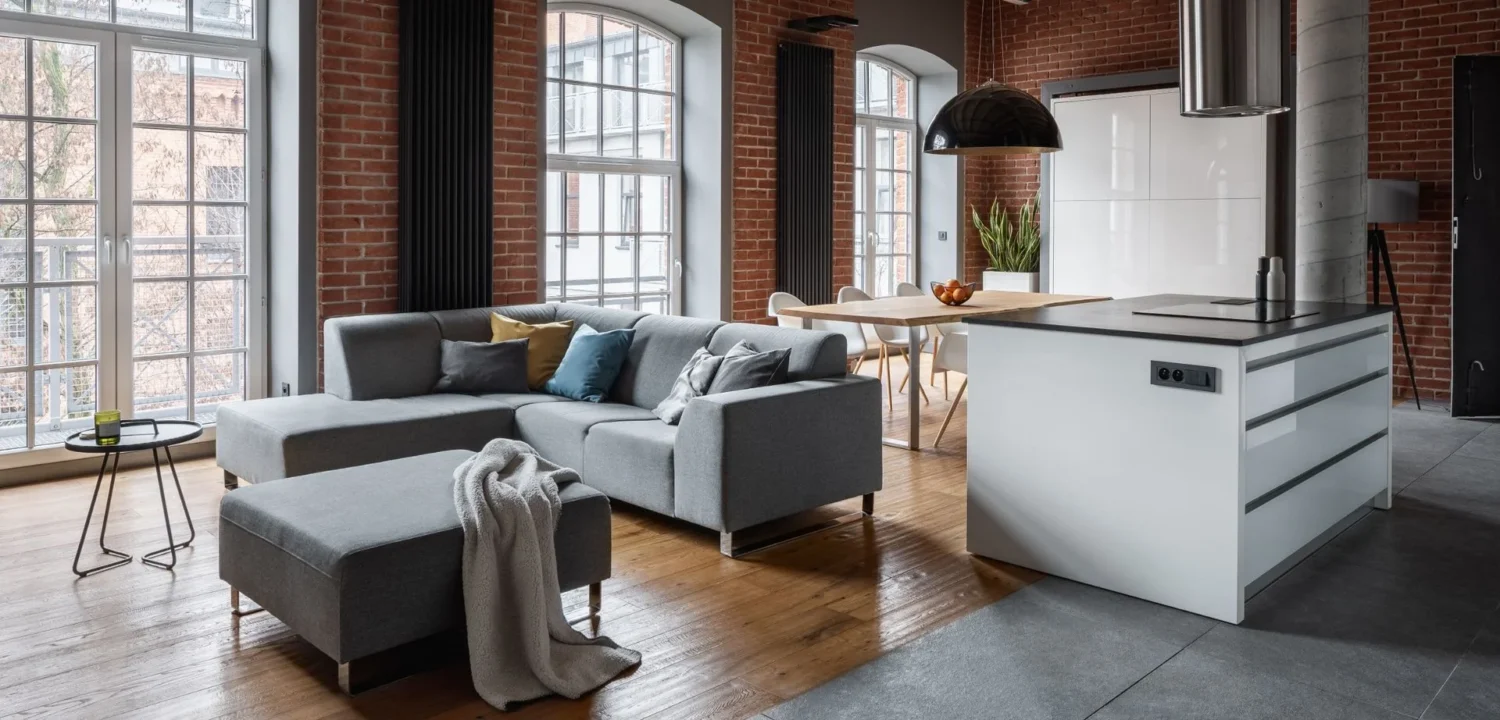

If you follow home decor trends even loosely, industrial design has probably crossed your radar more than once.
What started as an aesthetic borrowed from converted warehouses and old factory buildings has quietly become one of the most admired interior styles of the past decade. Raw textures, honest materials, and open layouts give this style a quality that feels both relaxed and refined at the same time, which is probably why so many homeowners are drawn to it. In addition to visual appeal, industrial interiors tend to age well. They do not rely on seasonal colour palettes or decorative trends that date quickly. When done right, the style carries a depth and character that feels like it has always belonged in the space.
If you are planning a home refresh and want something that looks considered without being overdone, here are three straightforward ways to bring industrial design into your home.
1. Let Your Materials Do the Talking
Industrial design is built on honest materials such as timber, steel, concrete, and brick. What sets this style apart is that these materials are not hidden behind paint or cladding. They are left visible, sometimes deliberately rough around the edges, because the texture itself is the point.
You do not need to gut your home to achieve this. Small, deliberate choices go a long way, like a reclaimed timber shelf on a bare plaster wall, a steel-framed mirror in the hallway or concrete-look tiles in a bathroom or kitchen. Each of these elements introduces the industrial vocabulary without requiring a full renovation.
The key is restraint. Industrial interiors work because they do not overcrowd a space with decoration. Choose two or three materials you want to feature and let them breathe. The space around them matters just as much as the materials themselves.
2. Embrace Open Storage and Functional Furniture
One of the defining characteristics of industrial style is that storage and furniture are designed to be seen, not hidden. Open shelving, exposed hanging rails, and visible joinery are not unfinished details. They are intentional choices that reinforce the honest, unpretentious character of the style. Here is how to apply this thinking room by room:
– Wardrobes and built-ins: A matte black steel frame with open shelving on one side reads as industrial without trying too hard. Keep hardware simple and dark-toned.
– Living and media units: A mix of closed cabinetry below and open display shelves above gives you function and visual interest at the same time.
– Wardrobe doors: Heavily decorative or glossy finishes clash with the industrial look. Flat-panel doors in a dark or neutral matte finish, with slim metal handles, tend to sit far better in the space.
– Hardware details: Powder-coated black handles, exposed hinges, and visible fixings are not flaws. In an industrial interior, they are part of the design language.
If you are exploring options through local wardrobe companies, be specific about finish and hardware from the outset. These details carry more visual weight than most people expect, and getting them right early saves a lot of second-guessing later.
3. Balance Raw Finishes with Warmth
This is the part that often gets missed when people attempt industrial style on their own. The raw, utilitarian elements of this aesthetic can tip into feeling cold or unwelcoming if there is nothing to soften them. The spaces that pull this style off well almost always have something warm layered through them, whether that is timber tones, warm-toned lighting, textiles, or greenery.
Think about how light behaves in your space. Industrial interiors traditionally favoured large windows and abundant natural light, partly because the original buildings were designed for workers who needed to see what they were doing. In a home setting, this translates well. If you can maximise natural light, do it. Where artificial lighting is needed, warm filament bulbs or pendant lights with metal shades reinforce the aesthetic while keeping the space from feeling clinical.
Soft furnishings also help more than people tend to think. A linen sofa, a wool rug, or even a few well-placed cushions in a neutral tone introduce warmth without disrupting the overall look. Industrial style is not about making a space feel hard and sparse. It is about making it feel deliberate and lived-in, which are two different things.
Ready for a Classic Upgrade?
Industrial design rewards thoughtful decisions more than big budgets. Most of what makes this style work comes down to material choices, restraint, and a willingness to leave some things visible rather than covering everything up.
If you are planning to take this further, particularly if built-in storage, custom cabinetry, or new wardrobe doors are part of your refresh, it is worth connecting with a local home improvement specialist or a joinery team in your area. Experienced wardrobe companies in Sydney and beyond often carry a broader range of finishes, materials, and configurations than you might expect, and having a professional walk through your space with you tends to surface ideas that are difficult to arrive at on your own.
You Might Also Like