
Whether you’re moving house, decluttering, running out of room, or storing gear between seasons, a storage unit is a genuinely useful thing to have. But there’s a real difference between simply piling your belongings into a unit and storing them in a way that keeps them safe, accessible, and easy to retrieve later.
A little planning turns a storage unit from an expensive cupboard you dread opening into an organised extension of your home. Here’s how to do it the smart way.
Choose the right size
Getting the size right is the foundation of storing well. Too small and you’ll be cramming and stacking precariously; too large and you’re paying for empty air. Most storage providers offer a range of unit sizes and can help you estimate what you need based on what you’re storing.
It’s worth thinking vertically too. A unit with good height lets you stack safely and make the most of the space, so you may not need as large a footprint as you first assumed.
If your needs are likely to change, ask whether the facility lets you move to a different unit size later. Being able to scale up or down means you’re not locked into paying for the wrong amount of space if your circumstances shift.
Protect your belongings from the elements
Not all storage is equal when it comes to protecting your things. For sensitive items like electronics, timber furniture, documents, or anything prone to damage from heat and humidity, climate-controlled storage is worth considering. Australian temperatures can be hard on stored goods.
Whatever the unit, wrap and protect items properly. Cover furniture, use quality boxes, and keep things off the floor on pallets or shelving where you can, guarding against dust and any unexpected moisture.
Pack and label smartly
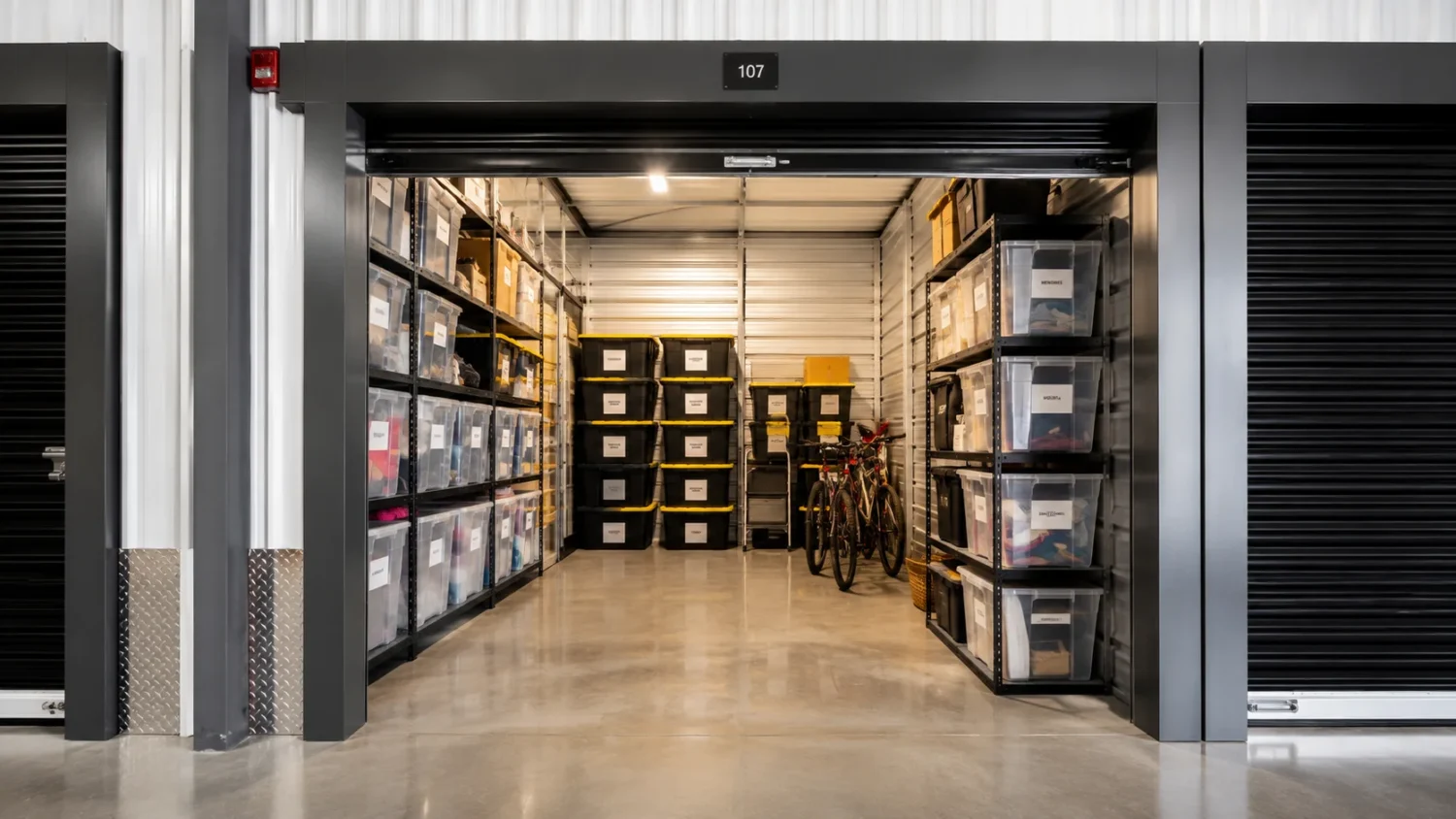
How you pack determines how usable your unit is. Use sturdy, uniform boxes that stack well, fill them fully so they don’t collapse, and put heavier items at the bottom. Disassemble bulky furniture where possible to save space and reduce the risk of damage.
Label every box clearly on more than one side, and keep an inventory of what’s where. Future you, standing in the doorway looking for one specific item, will be enormously grateful for a bit of labelling discipline now.
Know what you can’t store
Storage facilities have rules about what’s allowed, and for good reason. Hazardous, flammable, and perishable items are typically prohibited, as are living things and anything illegal. Storing food or damp items can attract pests and cause damage that affects not just your unit but others too.
Check the facility’s terms before you move in, so you’re not caught out on the day with items that can’t go into storage.
Think about access and security
Consider how often you’ll need to get to your belongings and choose accordingly. If you’ll visit regularly, a ground-floor unit with easy access and convenient hours makes life much simpler. Leave a clear path to frequently needed items rather than burying them at the back.
Security matters too. Look for a facility with good measures in place, such as individual locks, surveillance, and secure access, so you can leave your belongings with genuine peace of mind.
Getting real value from your unit
Used well, storage units are a flexible, cost-effective way to reclaim space and protect the things you’re not ready to part with. The difference between a frustrating unit and a genuinely useful one comes down to the planning you put in at the start.
Choose the right size, protect and pack your belongings properly, and stay organised, and your storage unit becomes a smart, stress-free part of managing your space.