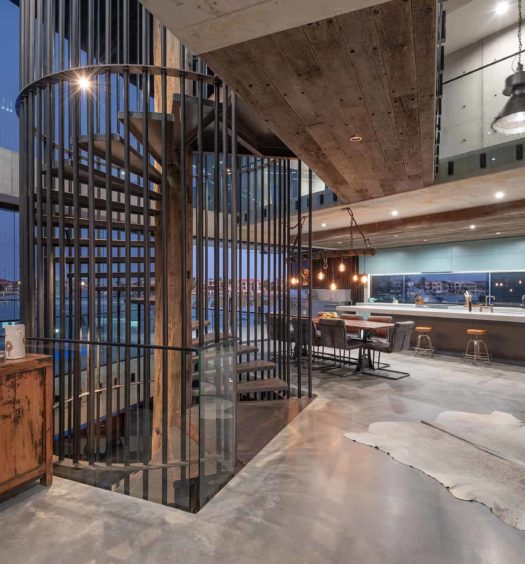
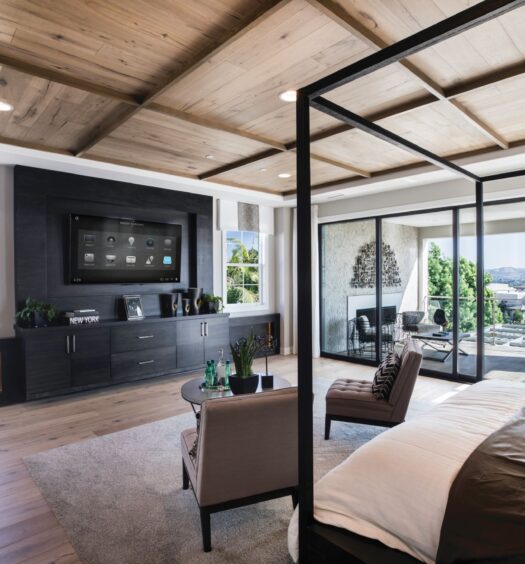
The clean lines and open floor plans, along with the minimalist colour schemes, are all elements that make contemporary interiors a favourite. However, if all surfaces are smooth and all objects are well ordered, a house can begin to seem impersonal. The most memorable spaces have a lovely simplicity and warmth with tactile elements and meaningful details.
Balancing it does not mean to “deck the halls with boughs. Follow these seven simple steps to add comfort, character and visual interest to modern spaces.
1. Add Soft Textiles
Hard surfaces like stone, glass, timber, metal and polished concrete are used in modern interiors. The materials provide structure, but the more the better will make a room look cold. Textiles are an instant antidote. You can add rugs, cushions, throws, upholstered furniture and curtains to soften the space without overwhelming it. Vintage bedding sets can add pattern, colour and a hint of history to otherwise sleek bedroom arrangements. The main thing is to layer and not match it exactly. This could include a linen throw over crisp cotton bedding, a textured rug under a simple bed frame or softly gathered curtains next to clean window frames, all of which add to the more relaxed feel of the room.
Texture is as important as colour. The materials used for bouclé, washed linen, velvet, wool, or natural cotton have different light reflective properties, adding depth. If different textures are included in a restricted color scheme, then the room is still modern yet is even more welcoming.
2. Use Warm Lighting
The interior lighting plays a significant role in interior ambiance. A single bright ceiling light is not enough to make a beautifully designed room look three dimensional. Layered lighting systems, which serve various purposes at different times of day, are a boon to modern residences.
Combine ambient lighting with task and accent lighting. Table lamps, floor or wall lamps and hidden lamps are all ways to create pools of light, whilst ceiling fixtures provide general lighting.
The fixtures can also be made interesting. Sculptural pendants, ceramic lamps, old brass wall lights, hand blown glass add interest without clutter. Dimmers add flexibility to the plan – the room can go from bright and functional to calm and intimate.
3. Bring in Natural Materials
One of the simplest ways to avoid a contemporary interior looking too man-made is to make use of natural materials. Subtle tone and texture variations that only can’t-be-replaced uniform finishes cannot duplicate are provided by timber, stone, leather, rattan, linen, clay and wool.
Timber, in particular, is a successful material with its warmth that integrates with minimalist architecture. A timber dining table, oak cabinetry or walnut sideboard can help tone down white walls and polished floors. Whether it’s a kitchen benchtop, bathroom vanity or even a table now and again, natural stone is also adding character to the design.
Smooth limestone, refined timber joinery, hand finished plaster and fine woven natural fabrics all fit in with sophisticated contemporary homes.
4. Add Art and Personal Pieces
Not all shelves have to be empty for contemporary design. Personal items add character and identity to a home and set it apart from a show home.
One of the best methods for adding personality is through artwork. Larger paintings can serve as a focal point of a room, while smaller paintings can provide a more serene atmosphere. Other forms of art, including photography, ceramics, sculpture, travel-collected items and books, can also tell the tale of the house.
Editing is important. Don’t fill up the room, select items that are visually or personally meaningful and give them room around them. A well-chosen selection of interesting items can make more of a difference than mere decoration with shelves.
5. Add Warm Colours
Neutral colours play a major role in today’s modern interior spaces, but neutral doesn’t necessarily mean white, beige and grey. More complex and warm colors can add depth to an area while keeping it cool looking.
Think of using clay, olive, subdued ochre, tobacco, dusty blue, warm taupe, or rich burgundy as accents. These colours can manifest themselves in upholstery, rugs, art, bedding and painted joinery.
It can be helpful to create a limited color palette and use one or two accent colors in multiple mediums. For instance, in a velvet cushion, a ceramic vase, or a piece of art, an earthy green color may show up. Repetition adds to cohesiveness, but not too much.
Colour can be used to create areas in an open plan house as well. A subtle separation can occur within the space between living, dining and transitional areas without the loss of overall visual connection.
6. Mix Modern and Vintage Pieces
A quickest method to eliminate character from the property is to furnish all of the rooms with a single collection. When decorating an interior, it’s fun to mix elements from different eras and styles together.
Contrast can be achieved by a vintage armchair next to a contemporary sofa, an antique wooden chest under modern art, or a classic lamp on a sleek console. Older furniture may offer you a craftsmanship, patina and proportions that mass-produced furniture can’t match.
It is best if there is some link or relation between the pieces, e.g. they are made of the same material, the same colour, the same shape, or scale. It’s not a theme room, it’s a room that builds up slowly. This allows for more individuality and permanency in contemporary architecture.
It can also add a touch of personalization to your home. Collected, inherited, restored and found over time furniture and decorative items of course tell a better story than one interior furnished at a single time.
7. Make Bedrooms and Bathrooms More Comfortable
Don’t restrict warmth to the living room. Comfort is frequently most important in bedrooms, bathrooms, quiet areas, and dressing areas, but these rooms can easily become too utilitarian.
Create a more calming atmosphere in the bedroom with soft lighting, quality bedding, an upholstered headboard, and a comfortable chair. In bathrooms, combining hard finishes with timber, soft towels, tactile mats, and carefully chosen home decor items can make the space feel more inviting. The choice of a bathrobe can also bring an extra sense of comfort while helping the bathroom feel connected to the rest of the home’s design rather than like a separate utility space. Even simple additions such as a stool, decorative tray, mirror, or warm wall light can make these private spaces feel more considered.
At the end of the day, comfort is about how well a space supports everyday life. The best contemporary interiors are not only sophisticated to look at but also comfortable and enjoyable to use.
Final thought
Adding warmth and character to an interior that is contemporary is more of a matter of careful selection than adding more and more. Modern architecture can be softened with texture, natural materials, layered lighting, personal objects, thoughtful colour, older pieces and comfortable private spaces, without losing the clean aesthetic of the space.
The finest interiors are both refined and distinct. They are not overly coordinated or too sophisticated, yet they feel cohesive. A modern house can be both modern and personal, as layers can be introduced gradually, and items and materials can have emotional or tactile qualities.
FAQs
1. How do you add warmth to a modern interior?
Add warmth through natural materials, layered textiles, soft lighting, warm colours, timber finishes, and personal accessories. Combining different textures also helps prevent clean modern spaces from feeling cold or overly minimal.
2. How can I make a modern home feel more cosy?
Use rugs, cushions, throws, curtains, warm lighting, natural fabrics, and comfortable furniture. Layering these elements gradually creates a softer atmosphere without taking away from the clean look of a modern home.
3. How do you add character to a modern home?
Introduce artwork, vintage furniture, handmade pieces, books, ceramics, patterned textiles, and objects with personal meaning. The goal is to add selected details rather than filling every available surface.
4. Can you mix modern and vintage furniture?
Yes. Modern and vintage furniture can work particularly well together when the pieces share complementary colours, materials, proportions, or shapes. Keeping one style dominant can also make the overall interior feel more cohesive.
5. What colours make a modern room feel warmer?
Warm neutrals and earthy shades such as taupe, clay, olive, ochre, muted terracotta, and warm beige can soften a modern room. Deeper shades such as burgundy or dusty blue can also add depth when used as accents.
You Might Also Like