

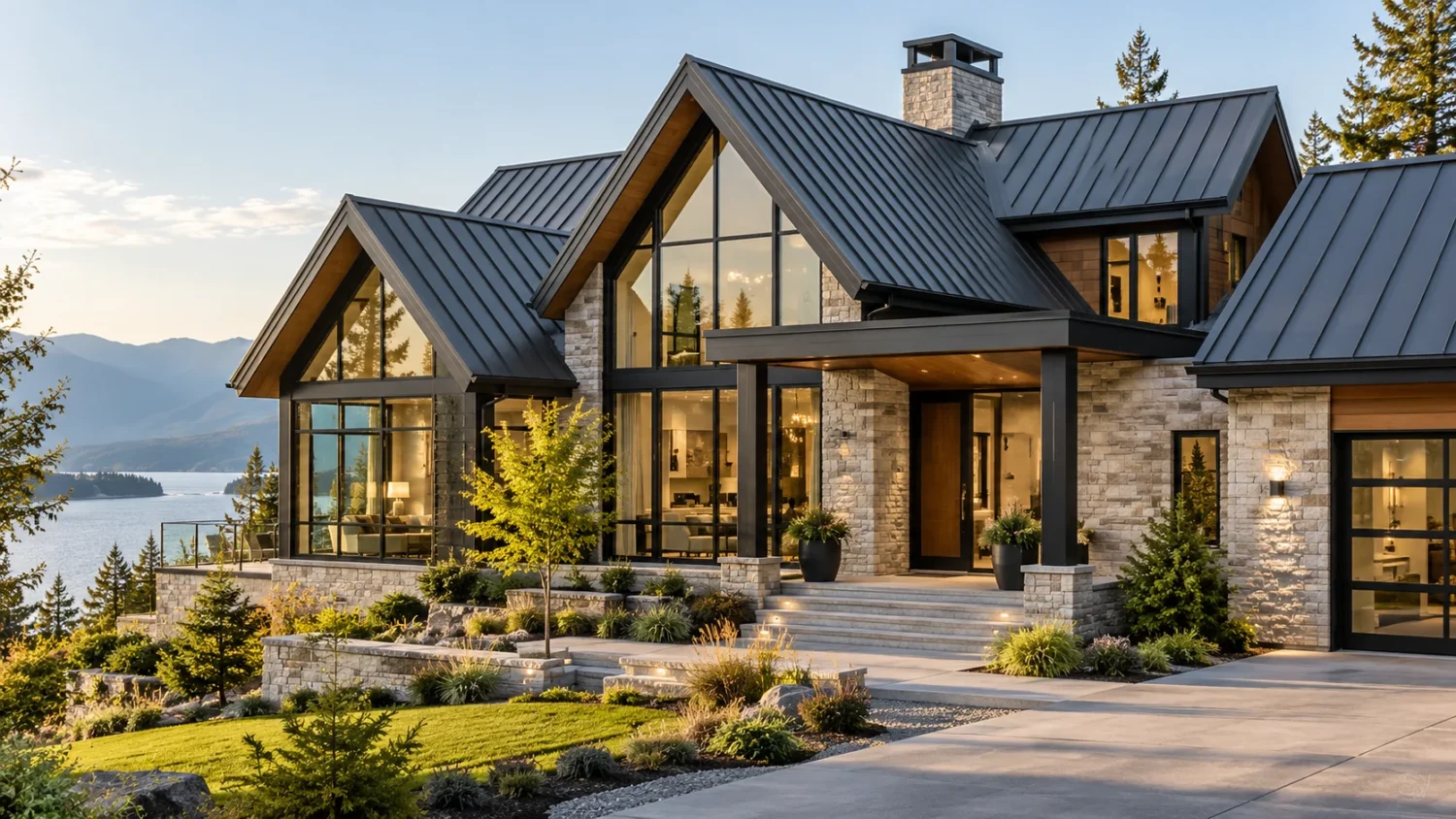

Australian architects and custom home builders are recommending metal roofing for a growing share of new builds, and the reasons go well beyond looks. A gabled roofline finished in steel, aluminium or zinc reads as sharp and deliberate in a way tiles rarely manage, but the material also has to survive cyclone-prone coastlines, bushfire zones and decades of UV exposure without losing its edge. Getting that outcome right starts with proper sourcing: working with established metal roofing suppliers early in the design process means profile options, coating systems and lead times get locked in before the roof shape is finalised, not scrambled together afterwards.
Why Metal Roofing Fits Custom Architecture
Metal roofing isn’t one product, and the differences matter more on a custom build than a project-home spec sheet usually lets on. Steel, typically coated with a zinc-aluminium alloy, dominates the local market because it balances cost, strength and colour range better than the alternatives. Aluminium holds up better right on the coast, though it costs more and dents more easily underfoot. Copper develops a green patina over the decades, and some architects design entire facades around that ageing process. Zinc sits between the two on price and weathering behaviour. This earlier piece comparing pros and cons of installing metal roofing walks through where each option earns its place, and it’s worth a read before a spec gets locked in.
Beyond material choice, metal roofing gives architects more structural freedom than tiles allow. Lower minimum pitches open up options for skillion and flat-adjacent rooflines that suit contemporary custom homes, and the reduced weight per square metre means longer spans without extra structural support underneath. For open-plan living areas with soaring ceilings, that weight saving often shows up in the engineering budget rather than the roofing line item, which is one reason the material keeps turning up on architect-designed briefs rather than volume-builder catalogues.
Design Considerations: Profiles, Colours and Roof Lines
Profile choice sets the tone before you pick a single colour swatch. Corrugated sheeting still reads as classic Australian, standing seam panels give a cleaner, more European look that suits minimalist facades, and trimdek-style profiles sit somewhere in between for homes that want strong lines without an overtly rural feel. Colour does a lot of the remaining work. Darker tones like charcoal or deep bronze anchor a home visually and pair well with timber cladding, whereas lighter greys and off-whites soften a large roof plane and help a house sit more comfortably against bushland or coastal surrounds.
Custom projects rarely stop at the main roof. Extending the same material and profile out to a patio, carport or al fresco structure keeps the whole property looking considered rather than assembled from separate decisions. A rundown of patio roof styles covers pergola, lean-to and gable options that carry a metal roof theme through to outdoor living areas, which is often the detail that separates a genuinely custom result from a house with a generic roof.
Durability Across Australian Conditions
Durability is where metal roofing earns its premium status over the life of a home, but the specifics matter more than the marketing claims. Sheet gauge and coating system determine how a roof performs in salt air, bushfires and hail, so a coastal build in Queensland needs a different specification than a bushfire-prone property in the Adelaide Hills. Coatings rated for AS 3959 bushfire attack levels, paired with adequate steel thickness, give a roof genuine resistance rather than a marketing sticker. Fastener quality matters just as much as the sheet itself, since a cheap screw corroding decades before the roof it holds down is a common and preventable failure point.
Colour and coating technology also affect thermal performance, which feeds straight back into design decisions. Lighter, low solar-absorptance colours reflect more heat than dark tones, and manufacturer research backs this up with real numbers. BlueScope’s technical bulletin on the thermal performance of roofing materials shows that low solar-absorptance roofing keeps a home noticeably cooler through Australian summers, particularly once paired with reflective coating technologies under the sheet. For a custom home chasing a strong energy rating, that’s a design lever most owners never think to pull until the cooling bills arrive.
Maintenance: What a Metal Roof Actually Needs
Metal roofing needs far less upkeep than tiles, but “less” isn’t “none,” and skipping basic checks shortens the lifespan owners are paying a premium for. A simple annual routine covers what matters most.
– Gutter clearing: leaf litter and debris trap moisture against the sheet edge, which is where corrosion tends to start first.
– Fastener checks: screws and rivets loosen slightly with thermal expansion over years, and a tightened fastener today avoids a leak later.
– Coastal wash-downs: homes within a few kilometres of the ocean benefit from an occasional hose-down to clear salt deposits before they start attacking the coating.
Government guidance backs up how much the maintenance regime affects lifespan, not material choice alone. Yourhome.gov.au’s guide to construction systems notes that poor maintenance can cut a building material’s effective lifespan by as much as half, regardless of how durable that material was on installation day. A metal roof specified correctly and then ignored for fifteen years will underperform a mid-range roof that gets checked every year, so the maintenance conversation deserves the same attention as material selection.
Choosing Suppliers and Installers
None of the design or durability benefits above matter much if the supply chain and installation are weak. Custom homeowners should ask suppliers directly about coating warranties, sheet thickness options and whether their product range has been tested against relevant Australian standards for the specific climate zone involved. Installer accreditation matters just as much as the sheet metal, since poor flashing details around valleys, penetrations and parapets cause more leaks than the roofing material itself ever does. A supplier willing to walk through profile samples, coating charts and warranty documentation before a contract is signed is generally the one worth working with.
Getting a custom home’s roof right means treating design, durability and maintenance as one connected decision rather than three separate ones. The profile and colour chosen up front affect thermal performance for decades, the coating system chosen affects how much maintenance the roof will need, and the maintenance routine an owner commits to determines whether all of that upfront planning pays off. Handled together, a metal roof becomes one of the more reliable, lower-fuss investments in a custom build rather than another line item to worry about after handover.
You Might Also Like


