

For many business owners, the outward signs of achievement are already there – the beautiful home, the cars they once dreamed about and the financial security they worked years to create. Yet behind that success, many are still tied to the day-to-day running of the business, making too many decisions, solving too many problems and struggling to find the time and freedom to actually enjoy the life their success was meant to provide. It is a situation Gold Coast business coach Alison Wheeler knows well.
A Business Growth Strategist and 10X Certified Business Coach, Alison helps owners make the transition from being central to almost every part of the operation to leading a business that can perform without their constant involvement. “Success on the outside can hide a lot of pressure behind the scenes,” Alison says. “They make too many of the decisions. They solve everyone’s problems. They carry responsibilities their team should already own.” For many, the business may look highly successful while the freedom they expected it to create still feels out of reach.
With more than a decade in business strategy and leadership, over 50,000 sales conversations and a seven-figure business of her own, Alison brings considerable practical experience to her coaching. She works predominantly with service-based businesses across industries including health, trades, hospitality, financial services and real estate, and is the only Australian coach within the global 10X program to achieve its $1 million in 90 days coaching milestone. Her clients have also recorded results including $100,000 profit months and significant increases in revenue and scale.
But Alison is clear that results at that level are never simply about finding the right marketing tactic. “Revenue and profit growth at that level require more than a clever marketing campaign. The owner has to become a stronger leader, make faster decisions, improve the sales process, understand the numbers and build a team capable of executing without constant supervision.” Having built a seven-figure business herself, she also understands what rapid growth can expose. “More revenue does not automatically create more freedom. Without the right margins, people, systems and leadership, it can create greater pressure.”
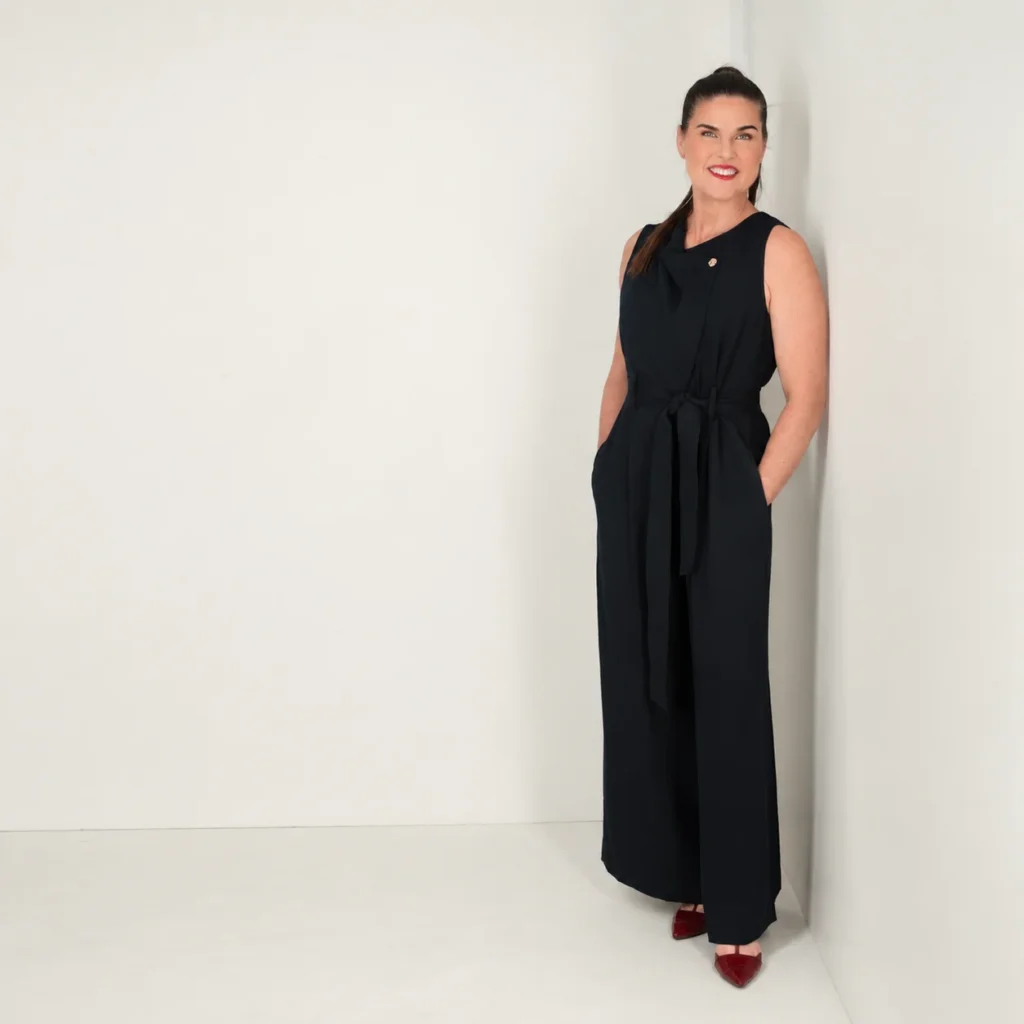
For Alison, the more meaningful measure of transformation is what happens beyond the numbers. “The transformation that matters most is when the business grows while the owner regains control of their time, direction and future.”
That can require a significant change in thinking for founders who have built their success by being highly involved. In the early years, being the person who knows every client, closes the sales and makes the decisions can be one of a business’s greatest strengths. As the company grows, the same dynamic can start restricting it. “If every sale needs the founder, every decision needs their approval and every client expects direct access to them, growth hits a ceiling,” Alison explains. Her approach is not about removing the owner from the business, but developing the intellectual property, processes, leadership capability and client experience around them so the founder can retain their influence without personally carrying every function.
Leadership consequently forms a major part of Alison’s approach to business growth. One of the harder truths she regularly shares with clients is that a business often reflects the standard its owner is willing to tolerate. If a team lacks accountability, have expectations been clearly established and reinforced? If sales remain inconsistent, is there a documented process and adequate follow-up? If the owner is overwhelmed, what have they failed to delegate, systemise or stop doing? Rather than viewing those questions as criticism, Alison sees them as a way of returning control to the owner. “The most powerful shift happens when an owner stops defending the current reality and starts taking full responsibility for changing it.”
Her experience from more than 50,000 sales conversations also gives Alison a direct perspective on one of the areas businesses frequently overcomplicate. Selling, she believes, is not about putting pressure on someone to make a decision. “The strongest salespeople are rarely the biggest talkers. They are the most curious. They ask better questions, listen carefully and diagnose before they prescribe.” In her experience, sales are often lost not because the price is too high, but because value has not been clearly established, the real concern has not been uncovered or nobody has followed up.
That emphasis on consistent execution has been strongly influenced by Alison’s competitive sporting background. “Sport taught me that performance is built through consistent execution, not occasional intensity,” she says. In both sport and business, she believes there can be a temptation to look for something new when results plateau, when the greater opportunity may lie in executing the right strategy more effectively and consistently.
Her sporting background has also strongly influenced the way Alison approaches leadership coaching, believing personal performance is intrinsically linked to business performance. “You cannot sustainably outperform the condition of the person leading the business,” she says. “If the business depends on your judgment, your presence and your ability to lead others, protecting your energy is a commercial priority.” It is a philosophy that challenges the long-held idea that success should be measured by how hard someone works. “Success does not reward exhaustion,” Alison says. “It rewards value creation, intelligent decisions and consistent execution.”
Alison also sees mindset around money as an important part of building a sustainable business. She has watched capable owners undercharge, avoid selling or remain smaller than necessary because they associate financial ambition with greed or a lack of authenticity. Her view is very different: profitability gives a business choices – the ability to employ people, invest in systems, extend its reach and continue serving its clients from a financially strong position. “You do not serve anyone by making your business financially fragile,” she says. “Profit matters because sustainability matters.”
Ultimately, Alison’s coaching sits at the intersection of strategy and behaviour. An owner might understand that they need to delegate yet struggle to relinquish control, know how the sales process should work but avoid asking for the sale, or recognise that an important conversation needs to happen while continuing to put it off. “Information is rarely the final constraint. Execution is,” Alison says. Her role is to help clients identify what is holding them back, make stronger decisions and translate those decisions into consistent action.
For business owners looking for greater clarity around what comes next, Alison brings the experience and perspective to help them move forward with purpose. To find out more or book a strategy session, visit thealisonwheeler.com.