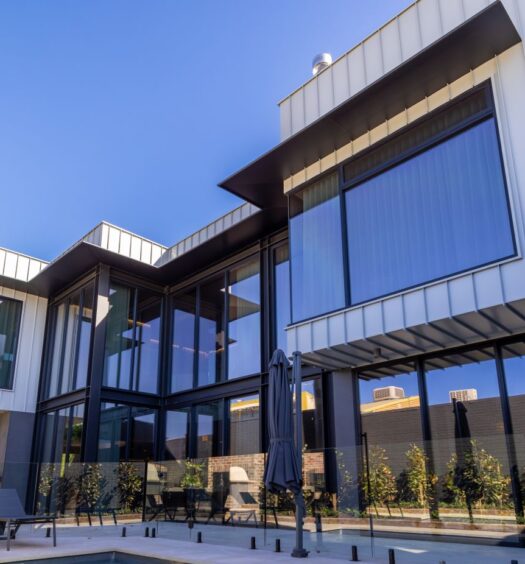

There is a clear shift underway in Australian residential architecture. The demand for bespoke homes has never been stronger, and neither have the expectations that come with it.
Buyers commissioning custom builds today are not simply purchasing square metres. They are investing in a vision that extends well beyond floor plans and facade materials.
That vision encompasses how a home feels to move through, how natural light interacts with living spaces and how architectural details reward closer inspection. This rising standard has consequences for every professional involved in the process.
Builders, architects, designers and project managers are all being held to a higher benchmark. The result is an industry maturing rapidly, driven by clients who have done their research and know precisely what excellence looks like.
Craftsmanship as the Foundation of Quality
In the custom home sector, quality is not a feature to be listed on a brochure. It is something experienced in the precision of joinery, the consistency of finishes and the way a structure responds to its site over time.
Discerning clients evaluate their options not on price alone but on the depth of a portfolio and the transparency of the process. Clear, consistent communication throughout every phase of a build creates confidence that the finished result will match the original vision.
This is where the distinction between custom and volume construction becomes most visible. Volume projects optimise for efficiency and replication. Custom projects optimize for precision and individuality, and clients feel that difference in the finished space.
Material selection reinforces the quality of the outcome. Locally sourced stone, sustainably harvested timber and artisan-finished metalwork communicate a level of care that factory-produced alternatives cannot replicate.
Homeowners commissioning bespoke residences should take time to understand what genuine craftsmanship looks like in practice. Working with trusted custom home builders who demonstrate transparency, site-specific thinking and a consistent body of work gives clients the strongest foundation for a successful outcome.
Project transparency has become a genuine differentiator in this space. Builders who provide clients with regular progress documentation and open communication foster trust that translates directly into referrals and long-term reputation.
Long-term value is the final pillar of quality construction. Homes built with genuine craftsmanship develop character over time rather than requiring constant maintenance. That longevity is part of what clients are paying for when they choose the bespoke path.
Designing the Experience, Not Just the Structure
The finest custom homes do more than shelter. They create an emotional response, and this is where architecture becomes experience design.
Spatial sequencing is a discipline that serious residential architects take care with. How a visitor moves from the entry threshold through a hallway and into a living space is choreographed to produce a genuine sense of arrival.
Lighting plays a central role in that choreography. The interaction between natural and artificial light across different times of day can transform the mood of a room entirely.
Architects who treat light as a primary material rather than an afterthought create interiors that feel alive in a way that is subtle but unmistakable. For anyone seeking custom home ideas, understanding how light and spatial flow contribute to the overall experience is a useful starting point before engaging with design professionals.
Display homes have become the primary stage for this kind of experiential design. They allow the industry to demonstrate not just what gets constructed but how the finished work feels to inhabit.
A prospective buyer walking through a display home is not evaluating specifications. They are imagining a life, and that emotional engagement is what converts interest into a genuine conversation about building.
This is why the most effective display homes are styled with restraint rather than excess. Architectural quality should do the work. Every surface texture and sightline should reinforce the design intent rather than distract from it.
Presentation and Event Infrastructure in Luxury Showcases
When a display home opens to the public, the event itself becomes a statement about the standards behind the build. Every detail of how visitors are received and guided through the space communicates something about the quality on offer.
High-traffic launch weekends require careful planning. Unmanaged visitor flow risks damage to finishes, overcrowding in key rooms and a diminished experience for every guest who walks through.
The most considered operators treat these events with the same precision they apply to construction. Physical guidance systems are an essential part of that approach, and they need to work without disrupting the visual tone of the space.
Strategically placed crowd control barrier posts allow organisers to create defined walkthrough routes that protect sensitive areas while maintaining a sense of openness. When selected in finishes that complement the home’s interior palette, they become part of the presentation rather than an interruption to it.
Staging decisions extend well beyond furniture and artwork. Lighting is adjusted to highlight architectural features. Acoustic treatment ensures conversations remain comfortable even at higher occupancy.
Temperature is regulated to keep guests moving at a natural pace. These are not minor operational considerations. They are extensions of the design philosophy that shaped the home itself.
Signage, when used, should be minimal and considered. Discreet directional cues are more effective than cluttered information boards. The goal is always to guide without instructing.
Some developers are extending this thinking into invitation-only evening previews. These intimate events allow prospective clients to engage directly with the design team in the finished space, reinforcing the premium positioning the home represents.
The Future of Custom Residential Development
The next generation of Australian custom homes will be shaped by three converging forces: sustainability, smart technology and an expanding definition of what a home is designed to do.
Sustainability is no longer a premium addition. It is a baseline expectation among informed buyers. Passive design principles, high-performance glazing and solar integration are moving from optional features to standard inclusions.
Homes that embed these elements from the design phase deliver superior performance and lower lifetime operating costs. The market is responding with stronger demand and higher long-term values for properties built to these standards.
Smart home technology is evolving beyond novelty. Current systems integrate security, energy management and accessibility into unified platforms that adapt to occupant behaviour over time.
The homes that implement these systems most successfully are those where the technology remains invisible. It operates without requiring the occupant to manage it directly, which is a design challenge as much as a technical one.
Hybrid living spaces represent a broader cultural shift. Demand for home offices, wellness rooms, creative studios and multi-generational configurations is reshaping how architects approach the brief.
The best custom solutions achieve spatial flexibility without compromising on any single function. That balance requires both design skill and a genuine understanding of how clients intend to live in the space for years to come.
Australian custom home building is entering its most ambitious chapter. The clients are more informed, the technology more capable and the design thinking more sophisticated than at any prior point. The results, for those who approach the process with the right team and the right intentions, reflect that ambition clearly.
You Might Also Like