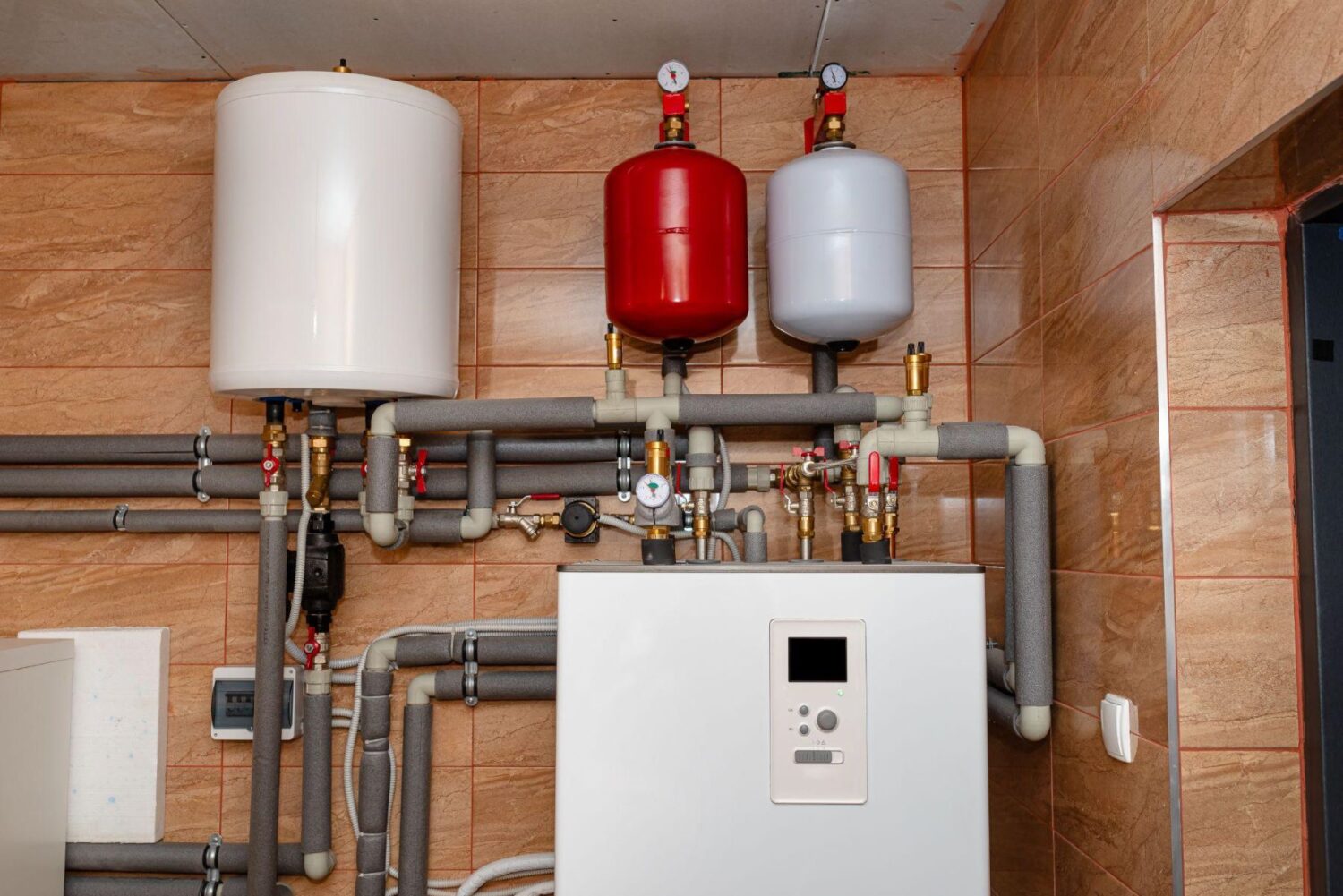

Selecting the right hot water system is an essential choice for residents in New South Wales (NSW), impacting both comfort and the monthly utility bill. The quest for an energy-efficient hot water system is not just about ensuring hot showers but also about financial prudence. With various options available, it’s crucial to understand how these systems operate and their associated costs. In NSW, the three predominant types of systems are electric, gas, and heat pump hot water systems. Each comes with unique attributes, installation considerations, and operational costs that can greatly influence overall affordability.
This article aims to navigate these choices, examining each system’s cost-effectiveness for NSW households. We will assess the operational mechanics, energy consumption, and economic implications of electric, gas, and heat pump hot water systems. By understanding these aspects, residents in NSW will be better equipped to decide which system aligns best with their budgetary and environmental considerations.
Understanding Electric Hot Water Systems in NSW
Electric hot water systems have long been a staple in many Australian homes. These systems function by using electricity to heat water stored in a tank. The heating element within the tank is thermostatically controlled, ensuring water reaches the desired temperature. Upon reaching the set temperature, the system maintains it until the hot water is dispensed.
When it comes to installation expenses, electric hot water systems generally fall on the lower end of the spectrum. They are relatively uncomplicated to install, especially in homes already equipped with the necessary electrical infrastructure. However, the operational costs can vary significantly based on factors like electricity tariffs and usage patterns. Electric systems are known for their straightforward operation, but tend to consume more energy compared to other systems.
Energy efficiency is a critical factor with electric systems. While newer models boast improved efficiency ratings, they still often trail behind alternative systems like heat pumps or solar. In terms of benefits, electric hot water systems offer simplicity and reliability. They are a solid choice for homes where installation of gas systems is impractical. However, the reliance on electricity, especially during peak tariff hours, can be a significant drawback, leading to higher energy bills.
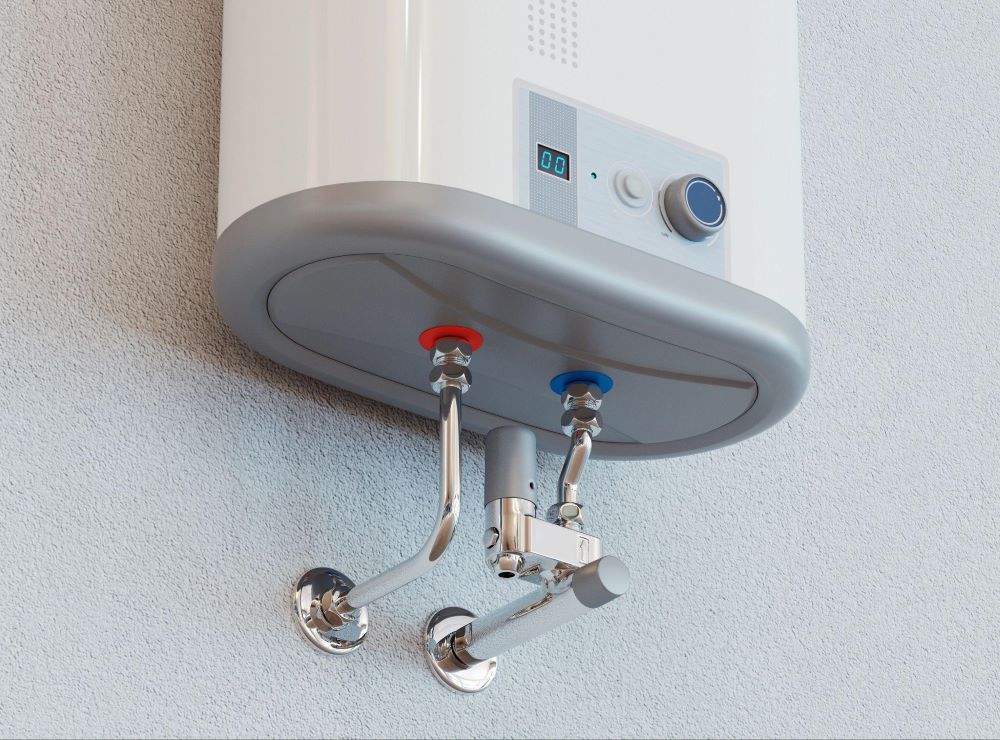
Analysing Gas Hot Water Systems for Cost Efficiency
Gas hot water systems utilise natural gas or LPG to heat water. These systems are available in storage and instantaneous varieties. Storage gas systems heat a tank of water to a set temperature, while instantaneous or continuous flow systems heat water on demand as it flows through the unit.
The cost of installing a gas hot water system can be moderate to high, largely depending on the need to connect the property to a natural gas supply. Ongoing maintenance costs are typically lower for gas systems compared to electric ones, thanks to their efficient design and durable components.
Natural gas prices play a pivotal role in determining the running cost of gas hot water systems. Generally, the running costs are lower than those of electric systems, particularly for households with access to natural gas, due to the prevailing lower cost compared to electricity.
The advantages of gas hot water systems include quick heating and reliability. They are less affected by time-of-use tariffs and can provide hot water even during a power outage. However, limitations exist, such as the potential for gas to leak or the need for venting, which can add to installation complexity.
Evaluating Heat Pump Hot Water Systems in NSW
Heat pump hot water systems stand out for their innovative technology that extracts heat from the surrounding air to warm water. This method is akin to how a refrigerator operates, only in reverse. By leveraging ambient air, heat pumps use considerably less energy than traditional electric systems.
The initial cost of installing a heat pump hot water system is higher compared to both electric and gas systems. Yet, the installation is often straightforward if there’s adequate space for the larger unit and the system is positioned in a suitable location to maximise efficiency gains.
Heat pumps offer impressive energy savings, achieving efficiencies of up to 300% as they move heat rather than generate it directly. This characteristic makes them one of the most environmentally friendly options, reducing carbon footprint and operational costs substantially over time.
However, they do come with challenges. Heat pumps can be less efficient in colder climates, which might affect some regional areas of NSW. Noise can also be a concern, although advances in design have mitigated much of this issue.
Comparative Cost Analysis of Hot Water Systems
Comparing the running costs of electric, gas, and heat pump hot water systems involves more than just energy tariffs – it also requires a realistic understanding of hot water system prices, installation expenses, and how those upfront costs balance out against long-term savings. Gas systems balance moderate installation costs with generally lower ongoing expenses, contingent on access to natural gas.
Heat pumps stand out in the long-run savings due to their high efficiency and lower operational costs, despite a higher upfront investment. Over time, the return on investment can be substantial with the ongoing reduction in energy bills.
To illustrate these differences, envision a table summarising costs associated with each type, showing the potential savings over a five to ten-year period. Such visual aids clarify the economic implications of each choice, proving invaluable for households weighing their options.
Factors to Consider When Choosing a Hot Water System
When selecting a hot water system, assessing individual household needs is paramount. Factors like water usage patterns, number of occupants, and peak hot water demand times should guide the choice of system.
Government incentives often play a crucial role in the decision-making process. In NSW, rebates and incentives aimed at boosting energy efficiency can significantly offset installation costs, particularly for heat pump systems.
Installation feasibility should not be overlooked. This includes the availability of space, existing infrastructure compatibility, and the professional installation team’s recommendations. Furthermore, the environmental impact of each system is becoming increasingly important, aligning residents with sustainable living goals.
Conclusion
Choosing the most cost-effective hot water system in NSW involves weighing various factors, from upfront costs to long-term savings and sustainability impacts. Electric systems offer ease of installation but higher running costs, while gas systems provide a reliable, cost-effective alternative where natural gas is accessible. Heat pumps, despite a higher initial cost, emerge as the most energy-efficient option, offering significant long-term savings.
Ultimately, the cheapest hot water system to run hinges on specific household circumstances, preferences, and the availability of resources like natural gas or space for a heat pump. It’s recommended that homeowners consider both short-term and long-term implications, capitalising on available incentives and rebates to ensure the best return on investment.
You Might Also Like