


Melbourne’s Burglary Landscape What the Latest Data Shows
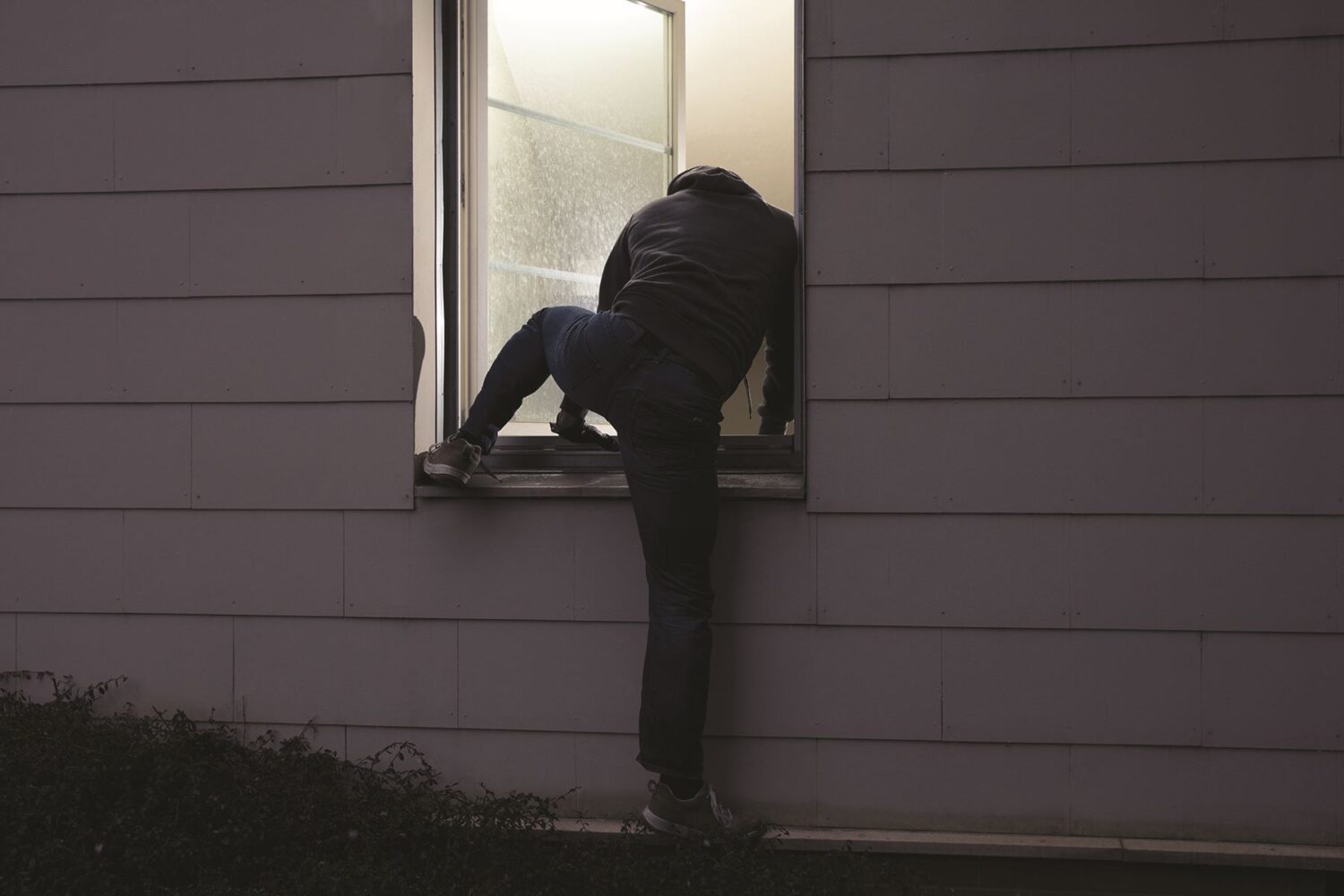
Victoria has recorded a sustained rise in residential burglary. More than 48,000 burglaries were reported across the state in the most recent 12 month period. That represents an increase of more than 8 per cent year on year. Approximately two thirds of all recorded burglaries involve residential properties rather than commercial premises, with a large proportion remaining unsolved.
Suburb level data shows that incidents are not evenly distributed. Some areas record significantly higher break and enter rates than others. The data also indicates that forced entry through doors and windows remains common. These figures reinforce a simple point. Entry points matter.
When offences remain unsolved, prevention becomes critical. Homeowners are increasingly focused on deterrence rather than response.
The “Too Hard” Principle – How Burglars Choose Their Targets
Most residential burglary is opportunistic. Offenders often assess a street quickly. They look for ease of access, low visibility and minimal resistance. They want speed and reduced exposure.
A property that appears difficult to enter can change that decision process. Increased effort increases risk. Risk increases hesitation. Hesitation often leads to abandonment.
Security professionals frequently observe that offenders avoid properties that look reinforced. This is not about making a home impenetrable. It is about shifting it out of the easy category.
Expert Insight From the Field
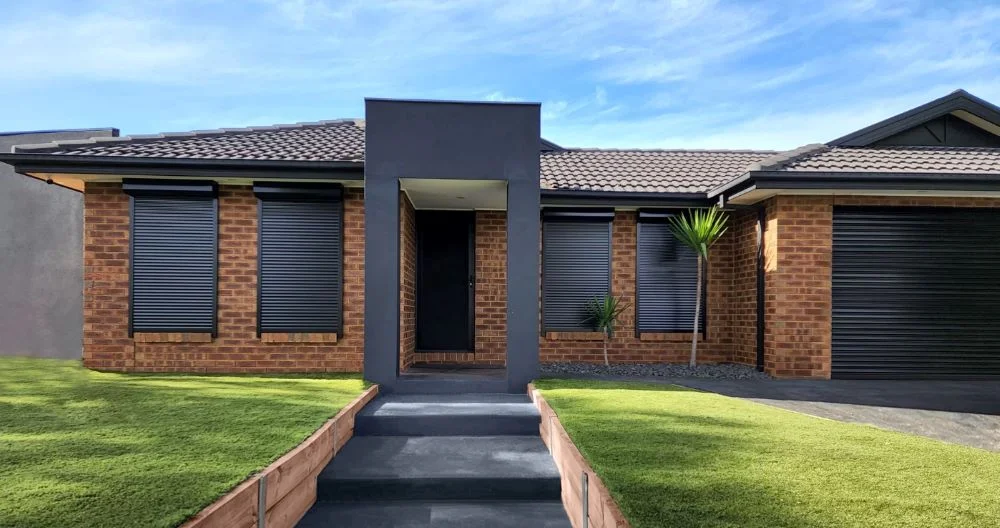
David Spottiswood from Titan Shutters, says “most offenders do not bother trying to break in when they see a well-secured property”. His experience is that properties with visible shutters are categorised as ‘too difficult’ and often passed over. He notes he has “not seen a case where a homeowner has called about a forced entry through a shuttered window after a burglary attempt”. This points to real change in how offenders behave when a property visibly looks difficult to enter.
Physical Barriers vs Alarm Systems What Actually Stops an Attempt
Alarm systems are reactive. They activate after movement or forced entry occurs. Cameras record events. Monitoring services notify authorities. These tools are valuable. However, they do not physically prevent access.
A visible external barrier operates differently. It presents resistance before entry is attempted. The offender sees it from the street. That visual cue changes the risk calculation immediately.
Noise is another factor. Attempting to breach a reinforced barrier can create attention. Attention increases the chance of interruption. Many offenders prefer silent and quick access.
Layered security is common in modern homes. Alarms and cameras provide monitoring. Physical barriers provide obstruction. Their roles are distinct.
Other Security Options Homeowners Commonly Consider
Homeowners often explore multiple protective measures.
Deadbolts and upgraded locks are basic improvements. They strengthen doors but remain hidden from the street. Their deterrent value is limited because offenders cannot easily see their presence.
Security screens provide reinforcement to windows and doors. They offer resistance but are sometimes less robust than fully enclosed shutters. Their visibility can vary depending on design.
Sensor lighting increases visibility at night. Illumination reduces concealment. However, lighting alone does not prevent physical access.
CCTV systems offer recording and remote monitoring. They can deter some offenders, particularly when clearly visible. Yet footage does not stop entry in the moment.
Smart home security systems integrate alerts, cameras and remote access. These systems improve awareness. They still rely on response after detection.
Roller shutters differ because they combine visibility and physical obstruction. They cover the full window opening. When lowered, they remove direct access to glass. Their presence is obvious from a distance.
Each solution addresses a different stage of risk. Some detect. Some delay. Some record. Physical shutters aim to discourage the attempt entirely.
How Much Do Security Shutters Cost
Security shutter pricing depends on several variables. Window size is a primary factor. Larger openings require more material and stronger components.
Manual shutters are generally less expensive than motorised systems. Electric operation increases cost due to motors and wiring. Material grade also influences pricing.
Custom fabrication affects overall investment. Properties with unusual shapes or multiple levels may require additional planning.
Homeowners often compare the cost of shutters to alarm systems, cameras and insurance premiums. The decision typically reflects individual risk tolerance and long term plans for the property.
How Much Does Installation Cost
Installation pricing varies depending on property type. Single storey homes are usually more straightforward than multi level dwellings. Access challenges can increase labour time.
Retrofitting existing homes often requires additional adjustments. Electrical integration for motorised shutters requires safe wiring and compliance with standards.
Accurate measurement is essential. Improper fit reduces effectiveness. Professional installation ensures alignment and structural anchoring.
Most providers conduct on site assessments before issuing a final quote. This ensures the scope of work is clearly defined.
What Homeowners Should Look for in a Genuine Deterrent Solution
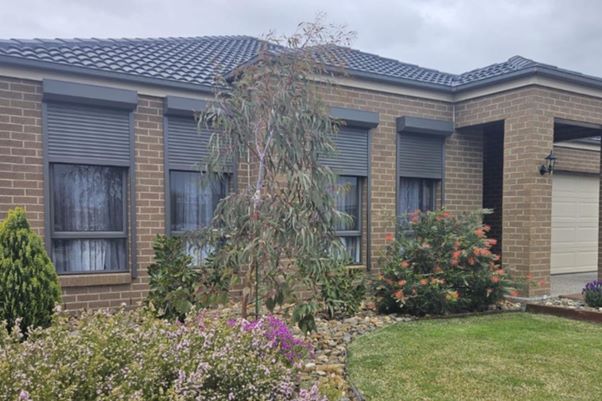
Effective deterrents share several characteristics. They are visible from the street. They appear robust. They are professionally installed.
Operational reliability also matters. A barrier that is difficult to use may not be deployed consistently. Ease of operation increases daily use.
Fit and finish contribute to both security and presentation. Gaps or weak anchoring points reduce performance.
Homeowners assessing options should consider how each measure changes the perceived difficulty of entry. The perception of effort often determines whether a property is approached or ignored.
Spottiswood adds the decision often comes down to simplicity. “Most burglars are looking for the easiest opportunity. If a house looks like it will take time, create noise or attract attention, they usually keep walking. Security is often about making your property the one that feels like too much work.”
You Might Also Like



