
New homes are often associated with reliability, modern systems, and fewer maintenance concerns, but hidden plumbing issues can still develop even in recently constructed Australian properties. These problems are rarely visible at first, which makes them more difficult to detect and, in some cases, more expensive to resolve once they surface. Instead of appearing immediately, they tend to build gradually, often linked to small oversights during design, installation, or early use.
In growing suburbs across Melbourne and Victoria, where new developments are completed quickly to meet demand, even minor inconsistencies in plumbing installation can lead to long-term complications. Understanding what causes these issues is the first step toward preventing them and maintaining consistent system performance over time.
Poor Installation Practices During Construction
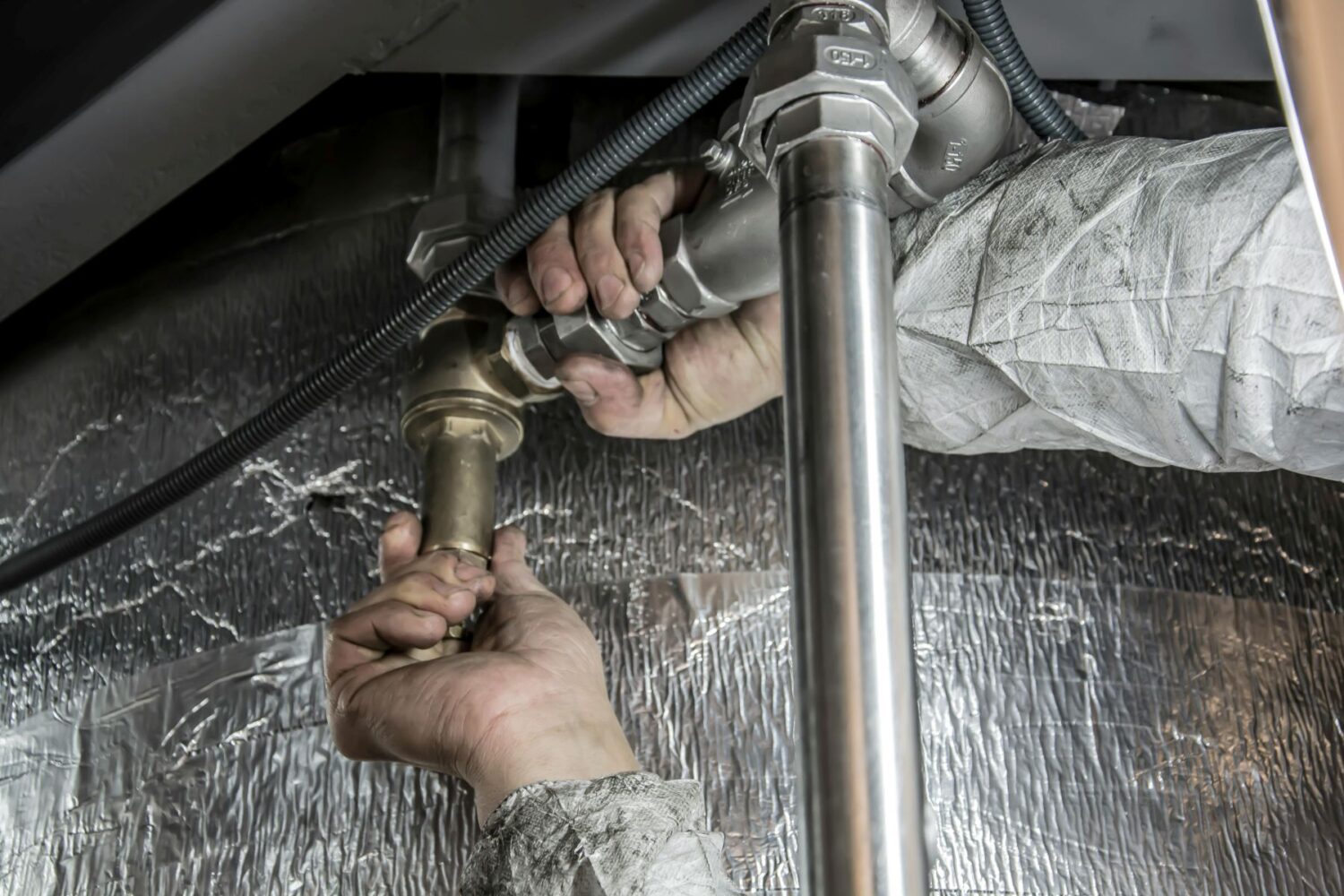
One of the most common causes of hidden plumbing issues is improper installation. Even in newly built homes, tight construction timelines or poor coordination between trades can result in pipes being misaligned, loosely fitted, or installed without adequate pressure testing.
These issues may not be noticeable right away, but over time they can lead to leaks, inconsistent water pressure, or drainage inefficiencies. Preventing this starts with proper oversight during construction. Ensuring that plumbing systems are installed according to Australian standards and thoroughly tested before handover helps eliminate early-stage defects that would otherwise remain hidden behind walls or beneath flooring.
Inadequate Pressure Management
Water pressure must be carefully balanced throughout a home, especially in properties with multiple levels or complex layouts. In many Australian homes, pressure fluctuations can occur due to variations in municipal supply or poor internal system calibration.
If pressure is too high, it can strain pipes and fittings, increasing the likelihood of leaks. If it is too low, it can affect everyday usability and signal underlying system inefficiencies. Because these problems develop gradually, they are often overlooked. Installing pressure-limiting valves and periodically monitoring water flow helps maintain long-term stability and reduces stress on plumbing components.
Low-Quality Materials and Components
The durability of a plumbing system depends heavily on the quality of materials used during construction. While lower-grade pipes or fittings may meet minimum compliance requirements, they often degrade faster under regular use, particularly in environments with fluctuating temperatures.
Over time, this can lead to cracking, corrosion, or weakened connections that are not immediately visible. Choosing high-quality, compliant materials from the outset—aligned with Australian building codes—helps ensure long-term reliability and reduces the likelihood of hidden failures.
Hidden Leaks Behind Walls and Floors
Leaks that occur behind walls or under floors are among the most difficult plumbing issues to detect. In many cases, they remain unnoticed until visible damage appears, such as warped flooring, mould growth, or staining on walls and ceilings.
Early warning signs may include subtle drops in water pressure, musty odours, or unexplained increases in water bills. Addressing these signs quickly is essential. Working with a reliable plumber in Kilsyth ensures that hidden leaks can be accurately located using modern diagnostic tools and resolved before they escalate into more serious structural concerns.
Poor Drainage Design
Drainage systems are just as important as water supply systems, yet they are sometimes overlooked during the design phase. Incorrect pipe gradients, narrow drainage lines, or inefficient layouts can lead to slow water flow and recurring blockages.
These issues often become apparent only after the home is fully occupied and daily water usage increases. In Australian households, where multiple appliances and fixtures may operate simultaneously, proper drainage design is essential. Thorough testing during construction helps ensure wastewater flows efficiently and reduces the likelihood of long-term issues.
Lack of Ventilation in Plumbing Systems
Ventilation is a critical but often underestimated component of plumbing systems. Without proper venting, pressure imbalances can develop, leading to slow drainage, gurgling sounds, or unpleasant odours within the home.
These systems are typically concealed within walls or roof cavities, making issues difficult to detect without professional inspection. Ensuring that vent pipes are correctly installed and unobstructed allows for proper airflow and maintains system balance, preventing hidden complications from developing over time.
Delayed Maintenance and Early Neglect
Many homeowners assume that new homes do not require maintenance, which can lead to early warning signs being ignored. Minor leaks, unusual noises, or slow drainage are often dismissed because the property is still relatively new.
However, addressing these early indicators is essential for preventing larger issues. According to CSIRO (Commonwealth Scientific and Industrial Research Organisation), early detection of moisture-related problems plays a key role in preventing structural deterioration and maintaining indoor air quality. Regular inspections, even in newly built homes, help identify small issues before they become costly repairs.
External Factors Affecting Plumbing Systems
Plumbing systems are also influenced by external environmental conditions. In Australia, soil movement due to seasonal changes, clay expansion, or shifting ground can place stress on underground pipes. Temperature fluctuations can also affect materials, particularly in exposed or poorly insulated areas.
While these factors are not always controllable, they can be managed through proper planning. Using flexible piping materials and ensuring adequate insulation helps reduce the risk associated with environmental stressors, particularly in areas prone to ground movement.
Preventative Steps for Long-Term Reliability
Preventing hidden plumbing issues involves a combination of quality construction, proper system design, and ongoing awareness. Ensuring that plumbing is installed correctly from the beginning creates a strong foundation, but continued monitoring is equally important.
Simple steps such as checking water pressure, watching for unusual signs, and scheduling periodic inspections can significantly reduce the likelihood of unexpected problems. When combined, these actions create a proactive approach that supports long-term system reliability.
Building Confidence in New Home Systems
A new home should provide comfort and peace of mind, but that confidence depends on how well its systems are designed and maintained. Plumbing, while often out of sight, plays a central role in ensuring that daily life runs smoothly.
By understanding the causes of hidden issues and taking preventative measures early, homeowners can protect their investment and maintain a stable, efficient living environment without unnecessary disruptions.
You Might Also Like