
Minimalist interiors are often admired for their calm, uncluttered feel, but many homeowners worry that they come across as cold or impersonal. The good news is that minimalism doesn’t have to mean stark white rooms or bare walls. With thoughtful choices, a minimalist home can feel just as inviting, lived-in, and reflective of your personality as any other design style.
Start with a Calm, Neutral Base
Minimalist homes work best when they begin with a controlled colour palette. Soft whites, warm greys, beige, and muted earth tones create a relaxed backdrop that allows other elements to shine without overwhelming the space.
Rather than relying on bold colors, focus on tonal variation. For instance, layering different shades of cream or taupe. This neutral foundation can make rooms feel larger and brighter, especially in open-plan living areas, while also giving you flexibility to personalise over time.
Let Texture Do the Heavy Lifting
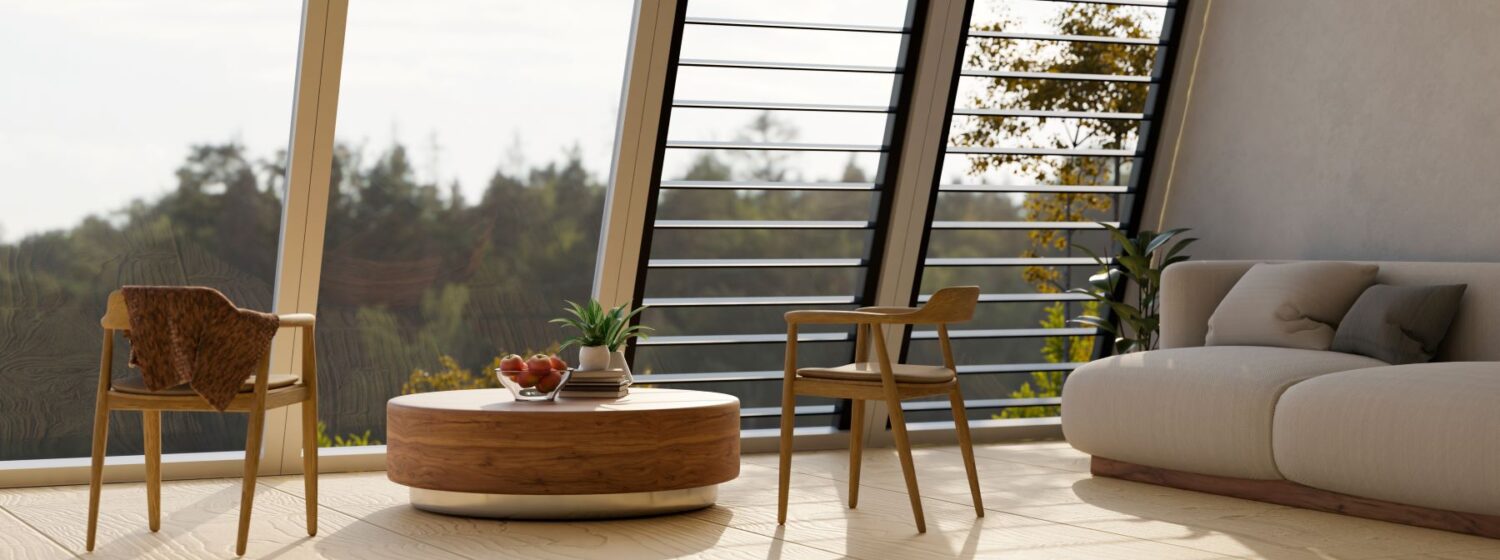
When colour is minimal, texture becomes essential. Natural materials like timber, stone, linen, wool, and leather add depth and warmth without visual clutter. A timber dining table, a woven rug, or linen curtains can instantly soften a space and make it feel more welcoming.
Mixing textures also helps avoid the “showroom” look often associated with minimalist homes. The contrast between smooth and rough, matte and subtle sheen, keeps the space visually interesting while remaining understated.
Choose Meaningful Decor Over More Decor
Minimalist styling isn’t about having nothing on display; it’s about being intentional. Instead of filling shelves with decorative objects, choose a few items that have personal value or narrate a story. This might be a structural vase from a local maker, a favourite book collection, or an artwork that reflects your experiences.
Wall art is an effective way to add personality without adding clutter. Many homeowners are moving beyond traditional framed prints and exploring contemporary options like metal photo prints, which offer a sleek profile while showcasing personal photography, landscapes, or architectural imagery in ways that suit modern minimalist homes.
Focus on Quality and Proportion
In minimalist spaces, every item stands out, so quality matters more than quantity. Invest in well-made furniture with clean lines and timeless shapes. Pieces should feel proportional to the room, as oversized furniture can dominate, while items that are too small can feel out of place. Leaving negative space around furniture and decor allows the eye to rest and gives each element room to breathe, reinforcing the calm atmosphere that minimalism is known for.
Use Lighting to Create Warmth
Lighting plays a huge role in how a minimalist home feels. Natural light should be maximised wherever possible through large windows and open layouts. In the evenings, layer lighting with a combination of accent, task, and ambient lights. Warm-toned bulbs, subtle pendants, and floor lamps can transform a simple room into a cosy retreat without adding visual clutter.
Endnote
Minimalist home styling is less about removing personality and more about refining it. By focusing on neutral foundations, rich textures, meaningful decor, and thoughtful lighting, you can create a space that feels calm yet deeply personal.