
There was a time when what considered to be a luxury home in Australia was judged almost instantly on its scale. Larger footprints, more rooms and grand proportions were enough to signal status, with expansive facades and oversized interiors designed to impress at first glance. That idea of luxury still carries some weight, but size is no longer the defining measure of a high-end home.
Today, luxury is no longer defined by size alone, but by a combination of factors that shape how a home is designed and experienced, from its connection to the outdoors and the way natural light is introduced, to layouts that feel open and connected rather than enclosed. Materiality also plays a central role, used with intent and carried throughout the home for cohesion, supported by a high level of craftsmanship. It is the interplay of these elements that now shapes how a home is perceived, not only by those who live in it, but across the broader industry where design, detail and execution are recognised at the highest level through industry awards from bodies such as the Master Builders Association and Housing Industry Association.
Together, these elements are redefining what luxury means in contemporary Australian homes:
Connection to Outdoors and Natural Light
In the past, homes were often designed with more defined, enclosed spaces, smaller windows and a clearer separation between indoors and out. Living areas were typically designed with the focus on the interior of the home, while outdoor spaces were often treated as secondary additions rather than being integrated into the overall design.
Over time Australians have come to recognise that outdoor space is an integral part of how we live in this country. As a result the way homes engage with outdoor space has changed significantly, with living areas now opening seamlessly onto gardens, courtyards and alfresco dining areas. Part of this shift is practical, allowing everyday life to move more easily between inside and out – whether it’s watching the kids playing in the backyard from the kitchen bench while preparing meals, or entertaining outdoors without complete separation from interior amenities. At the same time, this approach is about far more than functionality. Large expanses of glazing and carefully positioned openings allow natural light to move deep into the home while drawing the surrounding landscape into view, creating interiors that feel far more connected to their environment.
Rather than treating the outdoors as something separate from the home, these spaces are now experienced as an extension of the living environment itself, blurring the boundaries between interior and exterior and reflecting the way Australians naturally gravitate toward outdoor living.
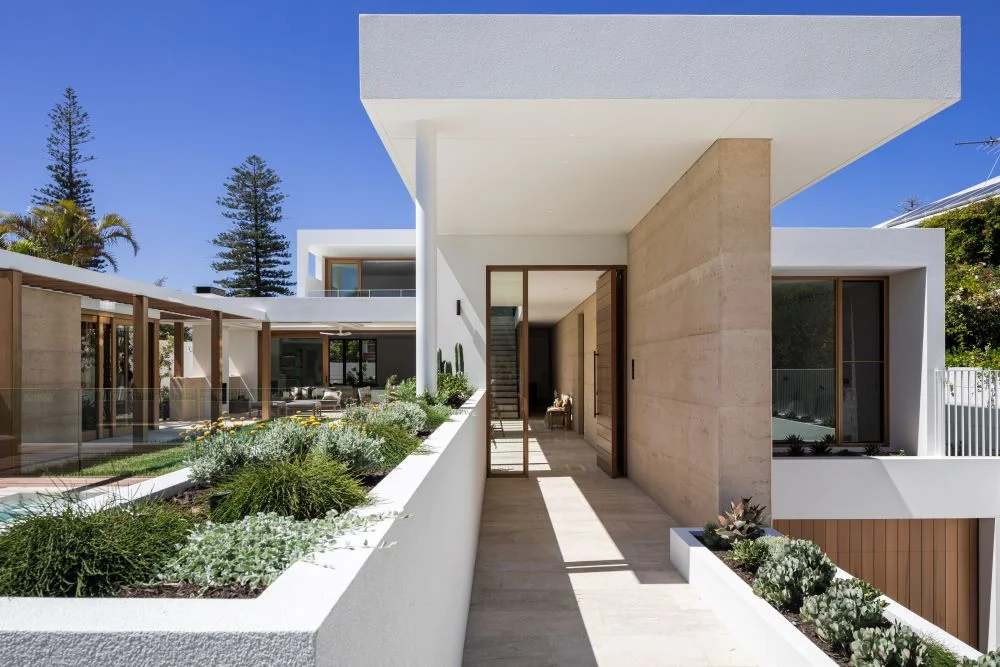
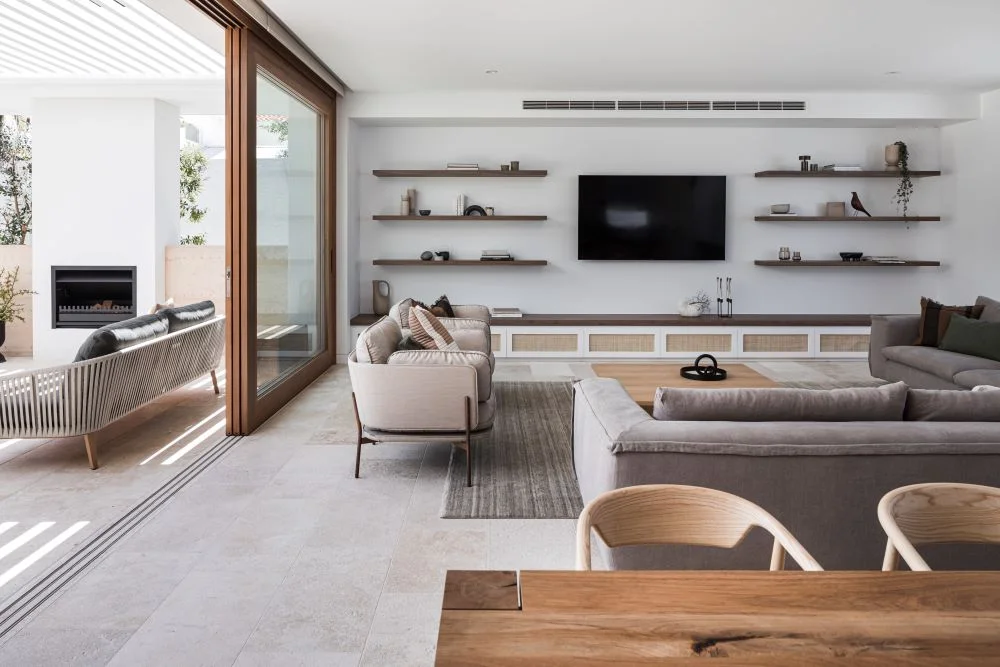
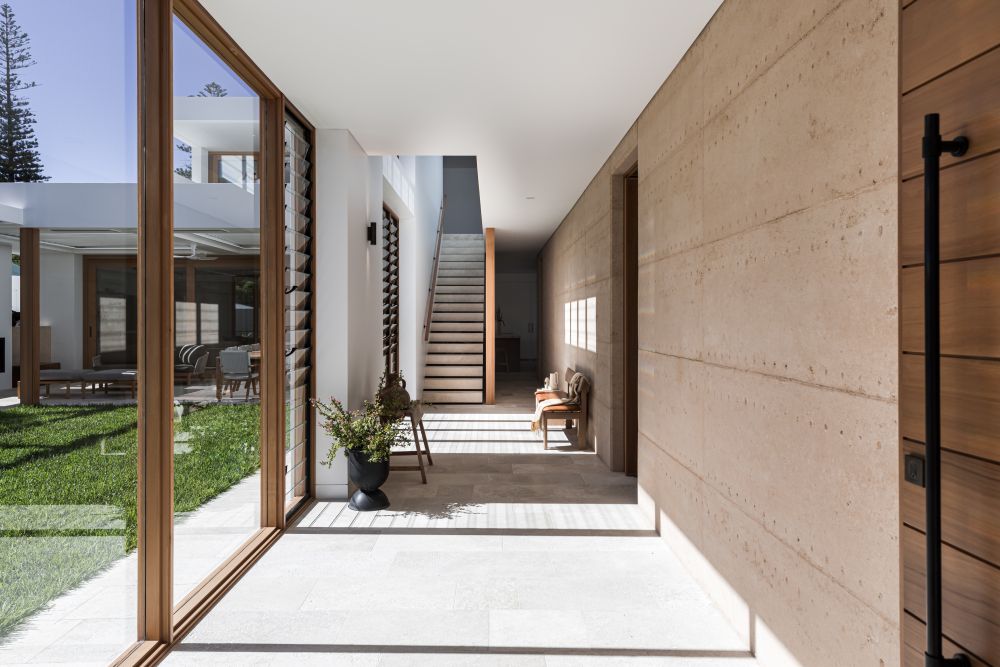
The above home by Perth luxury home builders Adrian Zorzi, exemplifies luxury modern living in Australia. This gorgeous Cottesloe residences features an extensive selection of organic materials and spaces that open up seamlessly to internal courtyards and alfresco living spaces.
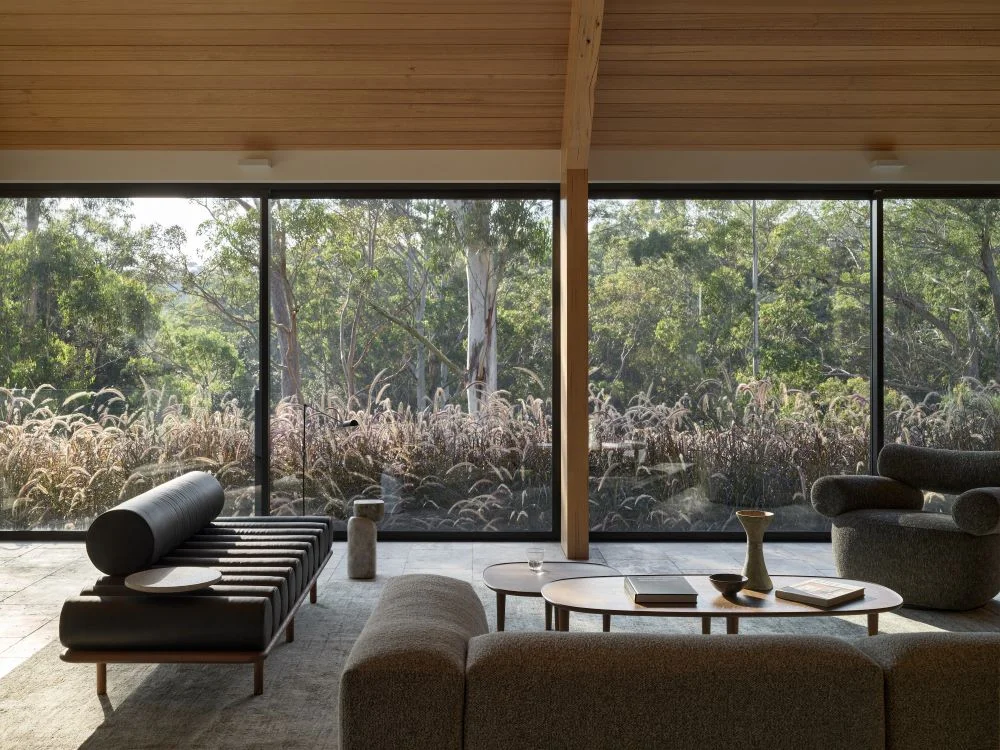
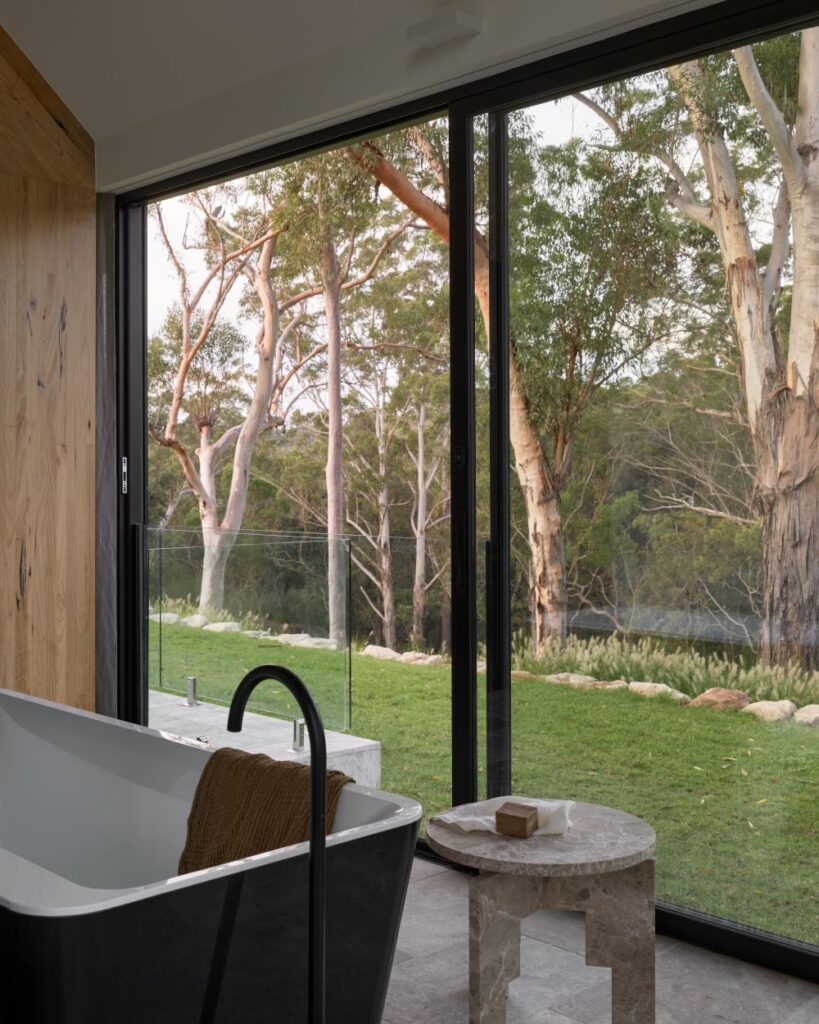
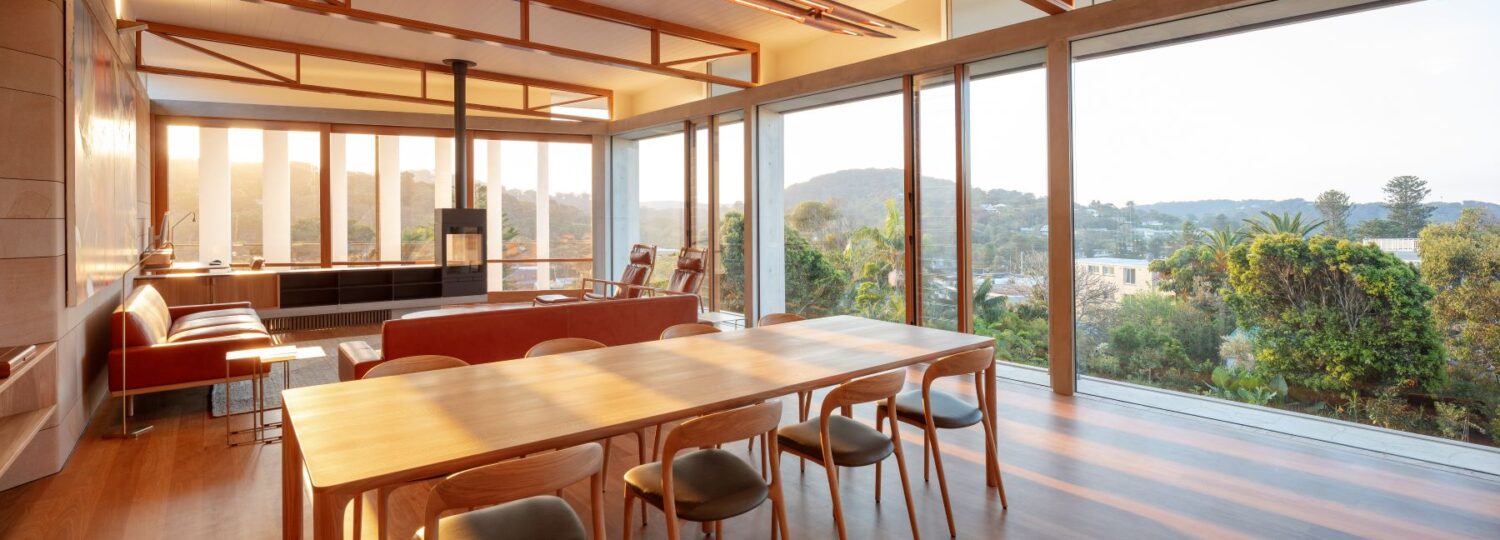
Above, this award winning project by Sydney luxury home builder Mallinger showcases the strong connection to the outdoor environment that defines luxury modern living in Australia. Throughout extensive floor to ceiling glazing connects the home to both the landscape gardens by Rolling Stone Landscapes and the natural bush surroundings.
Fewer Spaces, Better Designed
There’s also been a shift in how space is allocated within the total footprint of the home. Instead of trying to maximise room count, many Australian luxury homes are now designed with fewer spaces that are larger, more comfortable and designed for functionality and liveability. Living areas are often brought together into one open-plan environment that includes the kitchen, dining area and lounge area, where the family can feel more connected.
From 6 to 3…. while a six bedroom home may once have sounded impressive on paper, the definition of luxury has gradually shifted away from quantity toward the quality of each individual space. Today it’s not unusual for a luxury residence to include just three bedrooms, but each is designed with far greater generosity in both scale and detail. Rather than being treated simply as places to sleep, these rooms are conceived more like private sanctuaries within the home, often incorporating bespoke joinery, spacious walk-in robes, well-appointed ensuite bathrooms and proportions that allow the space to be enjoyed.
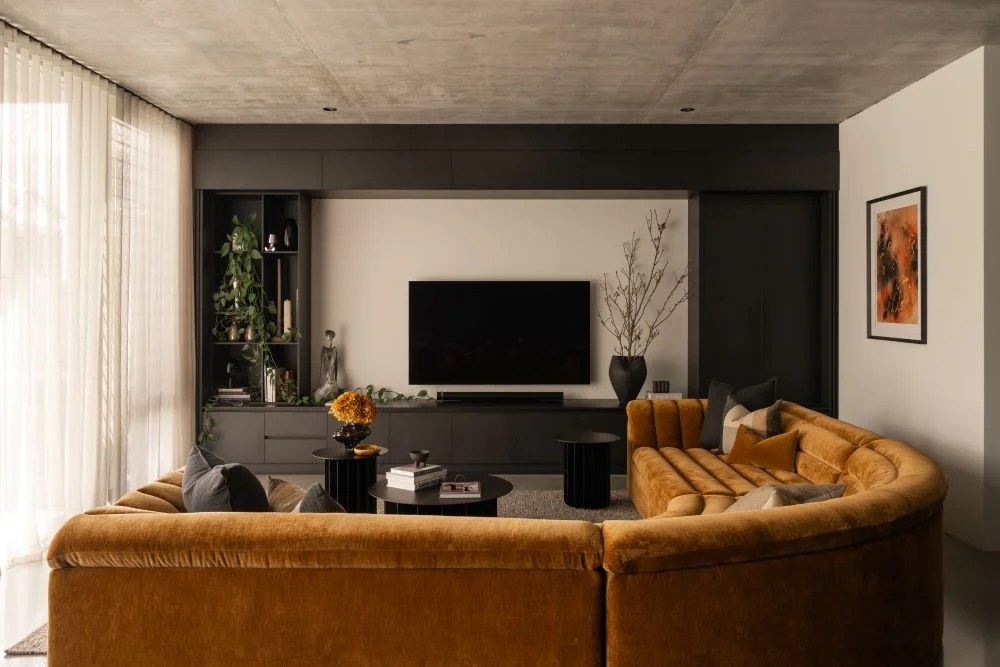
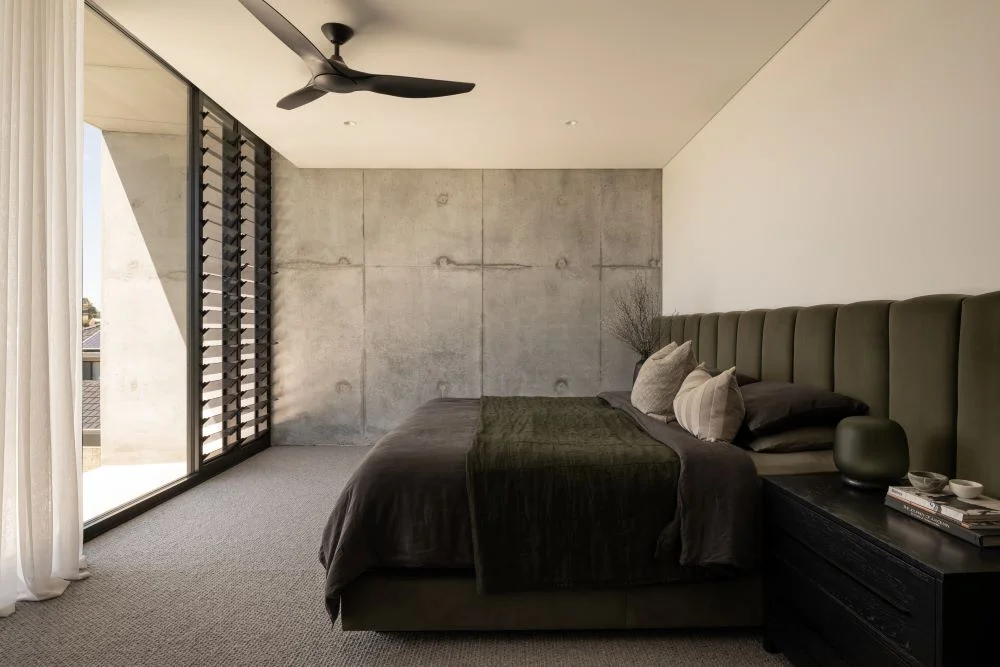
The above North Perth residence designed by Hillam Architects demonstrates how many luxury homes in Australia are moving away from large numbers of rooms in favour of fewer spaces designed with greater scale and clarity. Working within a narrow 10m frontage, the home prioritises expansive living areas, natural light and strong spatial planning, illustrating how thoughtful architectural design can deliver a true luxury home experience even on a compact urban site.
Materials That Define the Home
Material selection plays a huge role in shaping the feel of a home, and it’s an area where the shift in luxury design has become particularly noticeable. Think back a couple of decades where many homes featured bold coloured feature walls or statement wallpaper in almost every room, each space treated as an opportunity to introduce some unique decorative style.
The approach to modern luxury homes in Australia feels quite different, reflecting a broader shift toward a more restrained and refined palette where natural materials play a far greater role in shaping the character of a home, with timber, stone, concrete and metal increasingly used throughout interiors to create spaces that feel layered and tactile.
This same thinking is also influencing the exterior of luxury homes. Large expanses of render are gradually giving way to more durable cladding materials that not only require less maintenance, but also develop character as they age. Concrete, timber cladding, stone and metal all bring a sense of substance to the architecture, allowing the home to settle into its surroundings so the architecture feels harmonious with the landscape rather than competing with it.
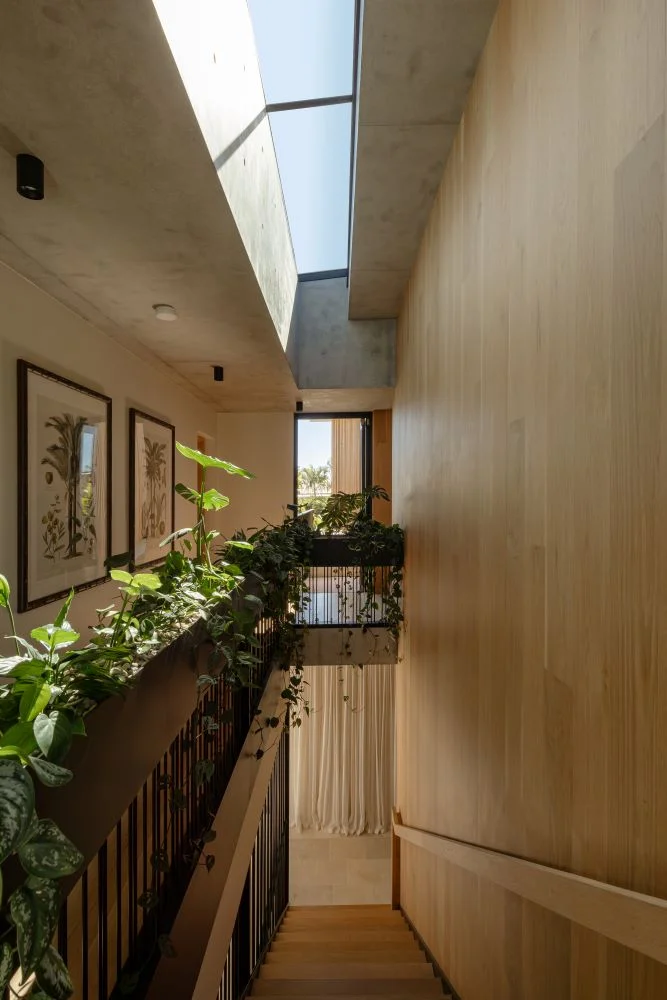
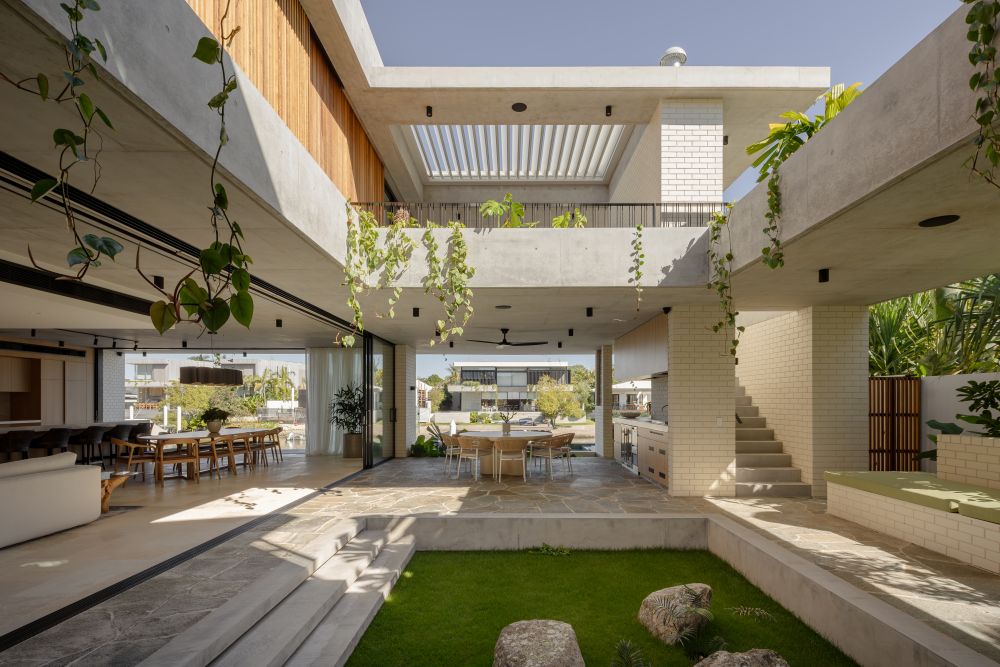
Situated in Noosa on the Sunshine Coast, the above luxury customhome by St Andrews Construction features all the principals that define modern luxury living in Australia. Functional open-plan spaces that seamlessly connect to the outdoors, lots of natural light and a refined material palette that is referenced throughout the entire home.
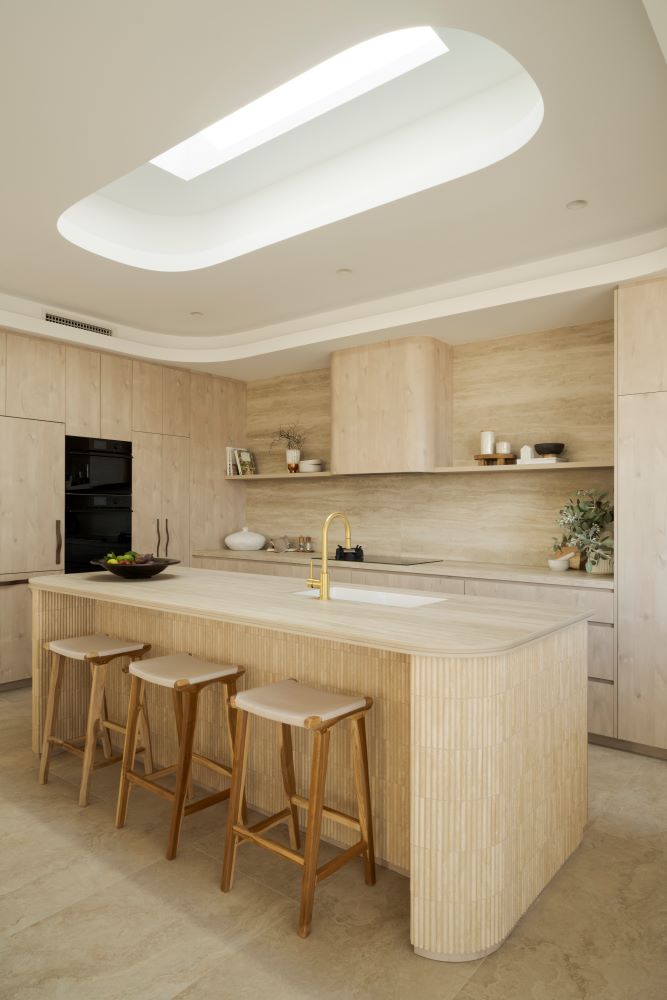
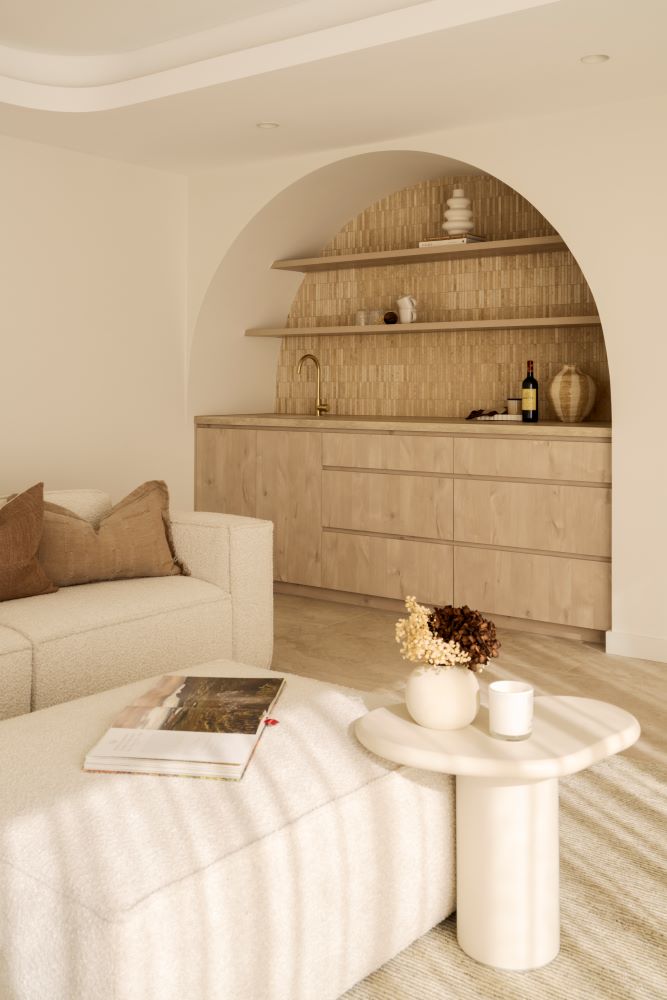
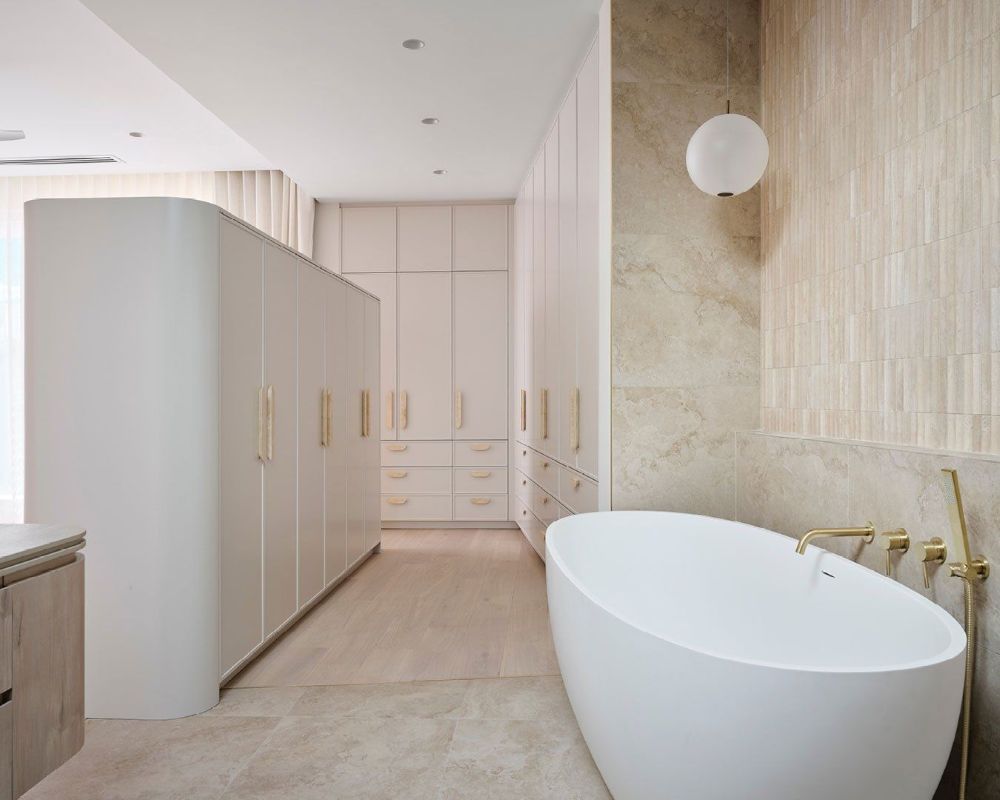
The above luxury Sorrento home by Perth custom builders, Calautti Homes is representative of the kind of pared back palette that is being seen in modern luxury homes in Australia. The same materials and finishes carry throughout the residence, with tiling, tapware and surface selections repeated from the bathrooms through to the kitchen and living areas, creating a strong sense of cohesion and continuity across the home.
Rather than each space adopting a completely different material language, the design relies on a refined selection of finishes that flow naturally from one room to the next, allowing the architecture, textures and craftsmanship to take centre stage while maintaining a calm and unified aesthetic throughout the interior.
Exceptional Craftsmanship
In a true luxury home in Australia today, craftsmanship reveals itself in the details. When materials are used in a more restrained and deliberate way, the quality of the construction becomes far more noticeable, with the precision of the work evident in everything from the way surfaces meet to the consistency of finishes throughout the home.
It’s in the alignment of tiles, the crispness of shadow lines running seamlessly along ceilings and walls, plasterwork that appears perfectly smooth under natural light, and custom joinery that integrates flawlessly within the architecture. These details may seem subtle at first glance, but together they create an environment where every element feels refined, cohesive and carefully executed.
This level of precision is ultimately what defines a beautifully crafted home and is often the defining difference between homes that simply appear impressive and those that demonstrate a far higher standard of construction. It is also the measure by which many of the country’s finest builders are judged, with industry bodies such as the Master Builders Association and the Housing Industry Association recognising projects that demonstrate exceptional workmanship, detailing and overall execution.
Many of the builders featured on the Custom Homes platform are multi-award-winning companies whose work has been recognised through these prestigious industry awards, reinforcing the importance of craftsmanship as one of the defining characteristics of a true luxury residence.
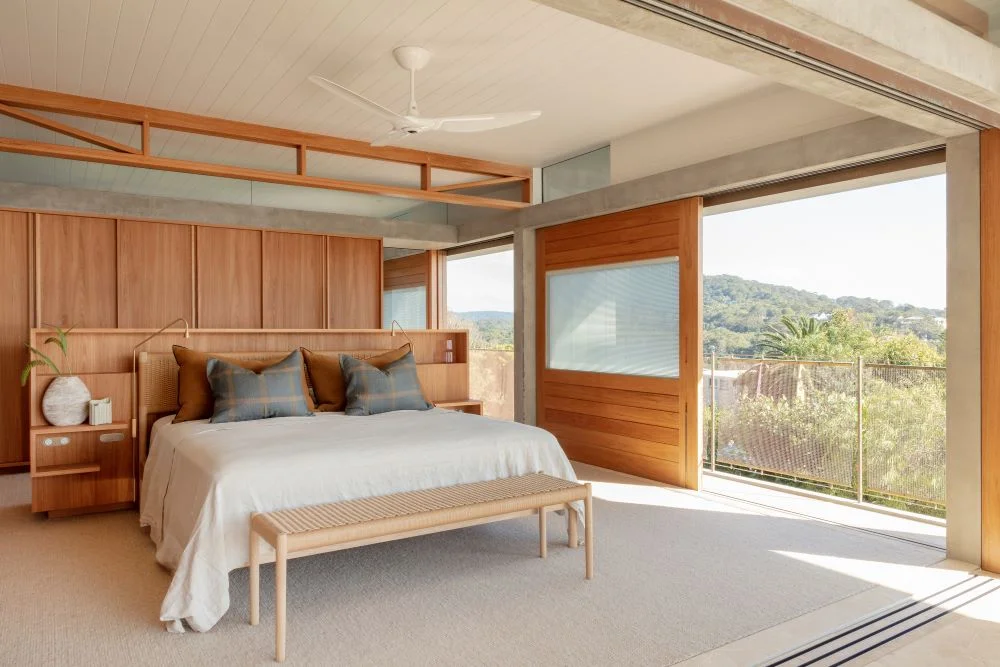
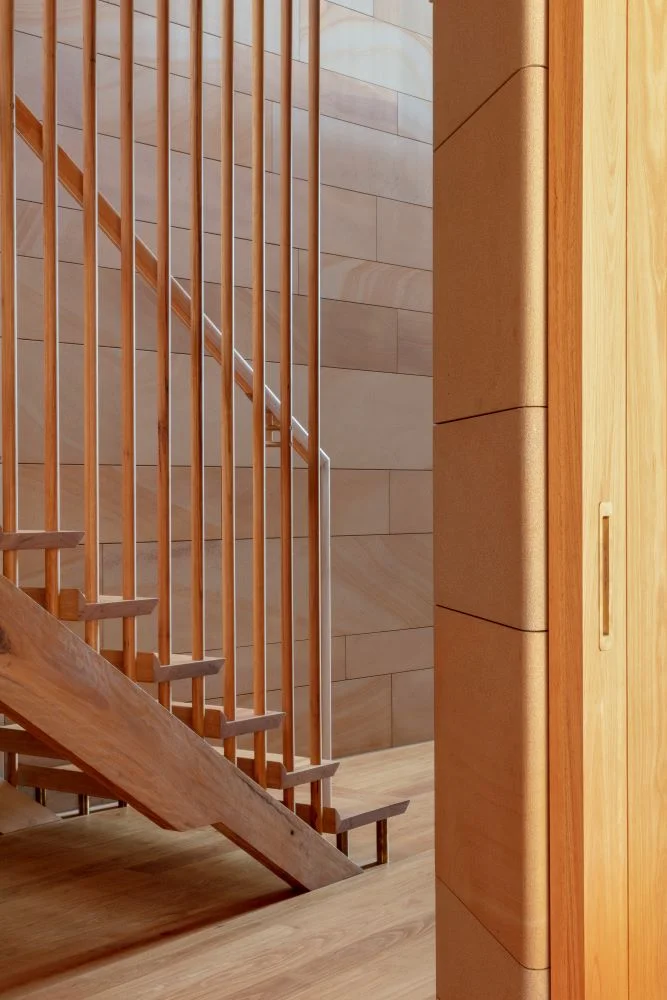
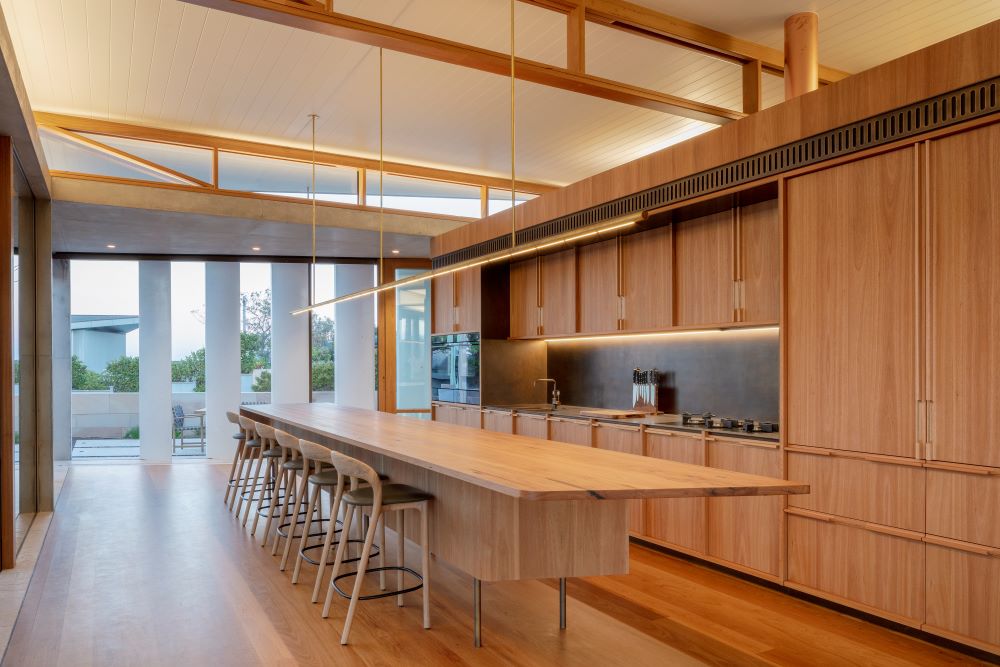
Above, this extraordinary home by Sydney luxury home builder, JJ Building Co reflects the essence of a modern Australian luxury custom home. The project has received multiple industry awards, recognition that reflects the exceptional quality of its finishes. Extensive custom joinery and finely executed details throughout the interior demonstrate a level of craftsmanship that defines genuine luxury.
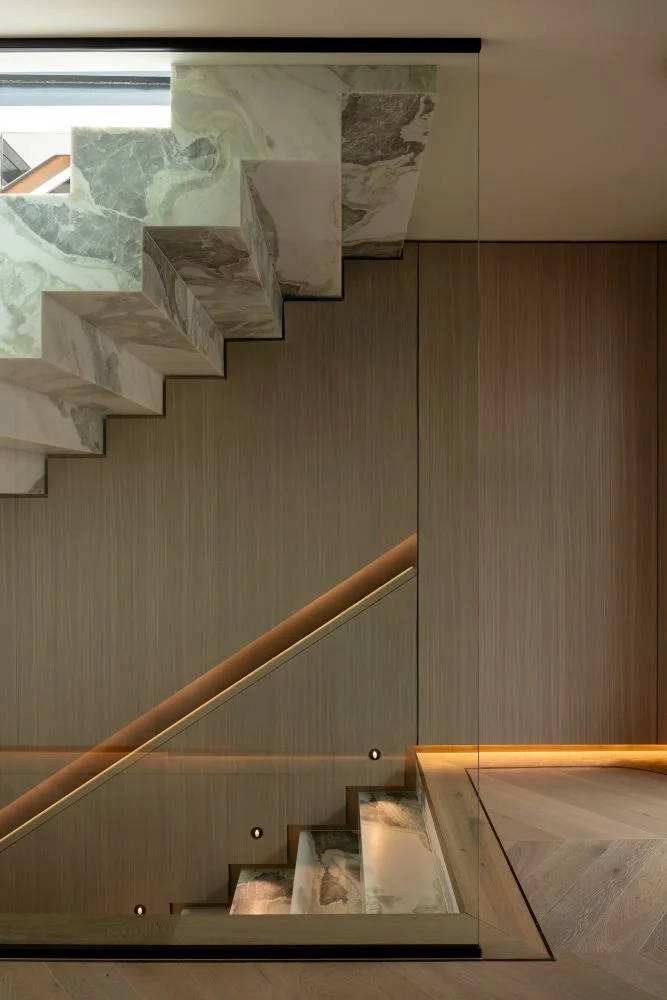
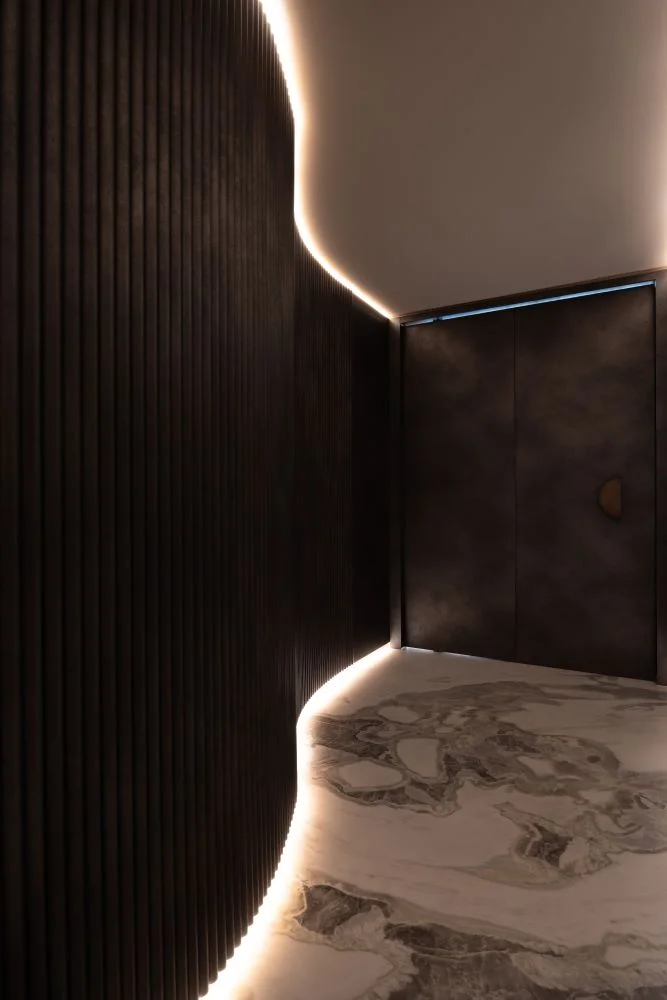
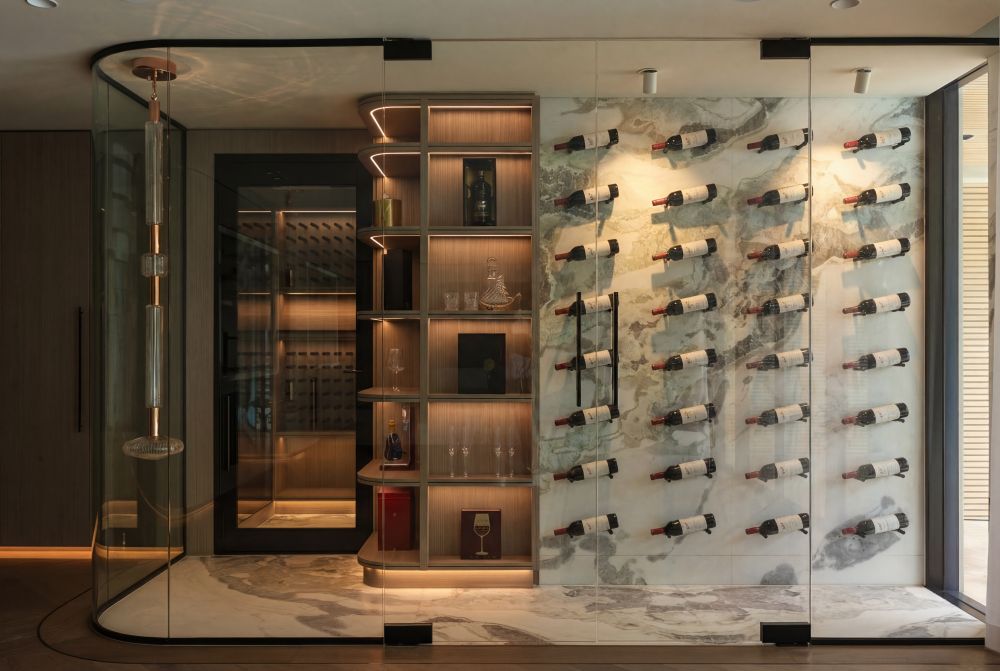
In the Sydney custom home featured above, Bentino’s precision craftsmanship saw them awarded the Master Builder’s Association for best home in it’s category for this Dover Heights luxury residence. The home then went on to set the suburb benchmark when it sold for over $17 million, representing the level of quality and execution that defines a luxury custom home in Australia today.
Performance and Sustainability
There was a time when solar passive and sustainable design were treated as specialist areas, often associated with a small number of environmentally focused projects. Today those principles have become part of the broader thinking behind many luxury homes, with orientation, solar passive principles and natural cross ventilation increasingly shaping the way luxury homes in Australia are designed.
Modern luxury homes are now designed to work more intelligently with their environment, capturing winter sun, providing shade in summer and encouraging natural airflow throughout the home. These considerations not only improve comfort, but also help reduce ongoing energy consumption.
Material selections also play a role in this performance, with durable construction methods, well insulated building envelopes and high performance glazing helping to maintain stable internal temperatures throughout the year. Many homes now incorporate solar energy systems, battery storage, rainwater harvesting and grey water recycling as part of a broader approach to managing energy and water use more efficiently.
In many respects, this shift reflects a more mature understanding of what defines a luxury residence today, where thoughtful design ensures the home performs well over time while remaining comfortable, efficient and responsive to the way people live.
Technology That Enhances Modern Living
Technology is now an integral part of a modern luxury home, with systems designed to operate seamlessly in the background while enhancing everyday living. Climate control, lighting, security, home automation and integrated audio are no longer treated as individual additions, but as part of a coordinated system that allows the home to function effortlessly.
For many homeowners, particularly busy professionals and executives, this level of integration means the home works around their schedule. Lighting scenes can be programmed to adjust throughout the day, climate control systems can ensure the house is comfortable before you arrive home, and security systems can be monitored remotely, allowing the home to operate smoothly without constant attention.
Entertainment also now plays a central role in what defines a luxury home in Australia today, with dedicated home theatres creating immersive environments that include cinema-quality experiences within the home itself.
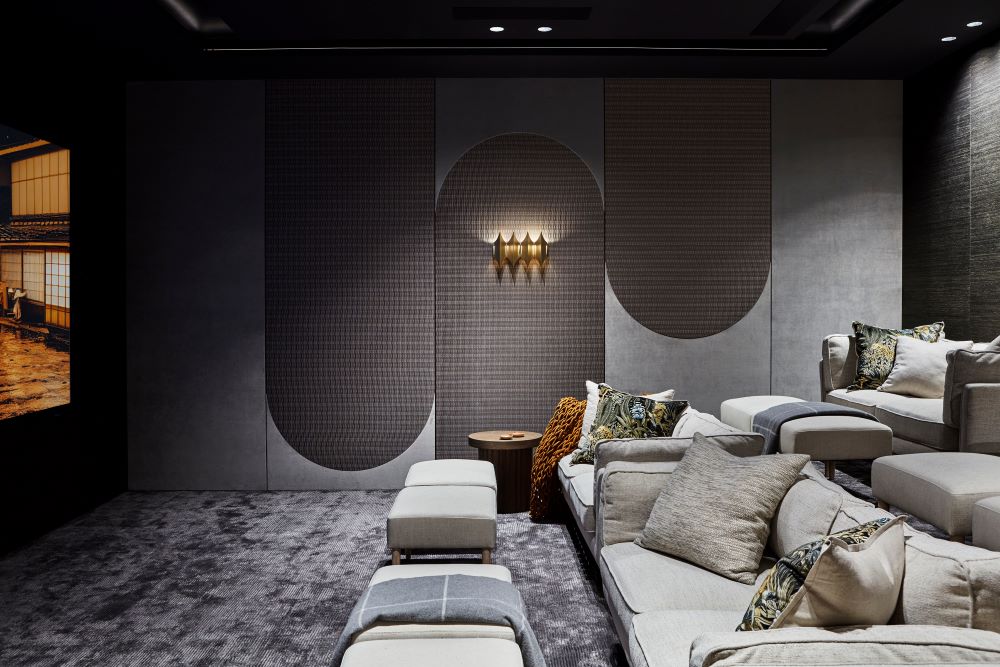
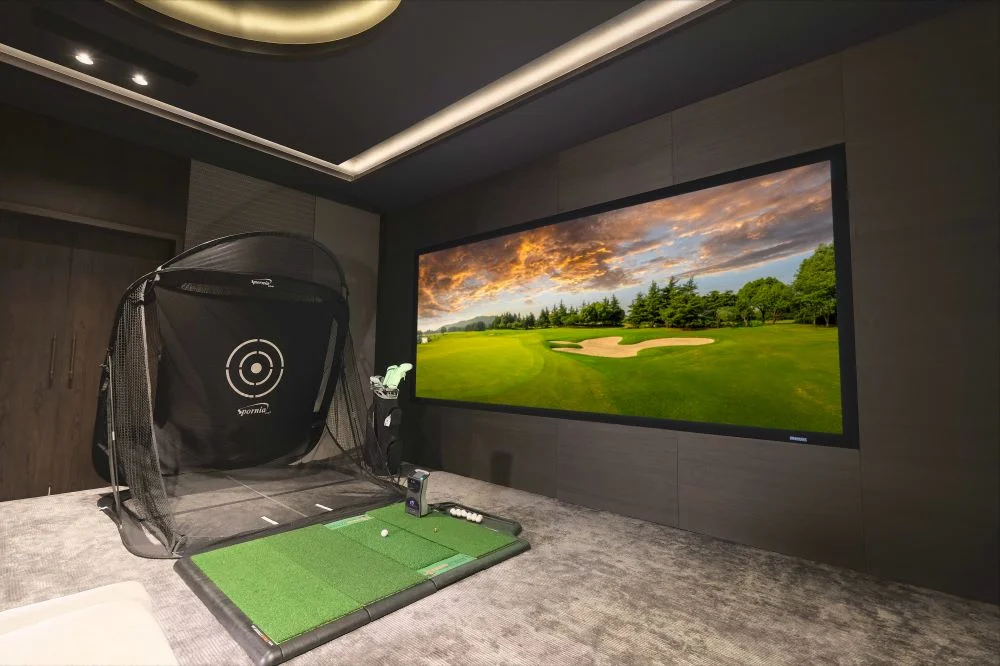
Above, this Vaucluse residence demonstrates the level of integrated technology now commonly found in modern Australian luxury homes. Delivered by technology specialists Denote, the home features a fully integrated smart home system that brings lighting, climate, security and entertainment together through a single platform, reflecting how sophisticated automation has become a standard expectation in high-end residential design.
A More Refined Definition of Luxury
What ultimately defines a luxury home in Australia today is how all of these elements come together. It is no longer about a single standout feature or the sheer size of the home, but about the way light, materials, craftsmanship, technology and thoughtful design combine to create a home that feels functional, to live in and enduring.
The homes that truly stand apart are those where every detail has been carefully executed, from the way spaces connect with the outdoors to the precision of the finishes and the intelligence of the design itself. When these elements work together the result is a home that feels effortless to live in, offering both comfort and longevity while reflecting a more refined understanding of what luxury living in Australia has really become.