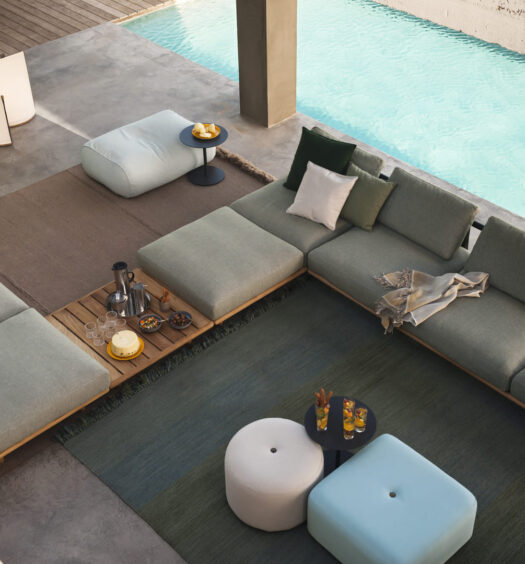

Sometimes, the most trivial things can inspire you to create something truly beautiful.
Let’s try a simple exercise for your senses.
Step outside your home for a moment and pause. What do you notice first?
Is it the way the air feels, the faint rustle of leaves, the warmth beneath your feet, maybe even the smell of something familiar?
When it comes to outdoor space, here is something most people don’t realise, a truly beautiful outdoors isn’t just designed for your eyes. It’s designed to be experienced, and this is why some gardens feel more alive than others.
The truth is, we have been designing outdoor spaces like photographs, focused only on the looks but the real comfort comes from experience. Doesn’t it?
That’s where the 5-senses grounding method comes in. It’s a simple idea to engage all your senses and it can be used in designing your space. This is an amazing technique to truly transform your outdoor space.
What is the 5 Senses Grounding Technique?
Before we dive in, here’s the idea in its simplest form:
– Sight – What you see
– Touch – What you feel
– Sound – What you hear
– Smell – What you breathe in
– Movement/Flow – How you move through the space
When you design your exterior considering all the factors, your outdoor space stops being “just a garden” and starts becoming a place you want to spend time in.
Designing Outdoor Space for Your Senses
This technique is great for bringing back the focus to the present moment. Let’s design your outdoor space.
1. Start with What You See
Visuals are important, of course, but instead of overloading your space with too many elements, focus on creating a natural, balanced look.
This is where design and materials matter more than decor. Options like Limestone crazy pavers or any soothing natural material can instantly add sophistication to the space without trying too hard. Their irregular shapes, soft variations and organic feel break the monotony of straight lines and common design patterns.
Unlike uniform tiles that can feel rigid, these bring a sense of personality to the space and look engaging. When your base looks catchy, you don’t have to overdo the decor.
2. What You Feel Under Your Feet
This matters more than you think. Don’t believe it?
Now close your eyes and walk barefoot in your outdoors. Can you feel something? Too hot? Too cold? Too harsh?
The sense of touch in an outdoor space is often overlooked but it plays a huge role in comfort. Material like natural stone feels more grounded as compared to synthetic finishes. They don’t just sit there, they respond to temperature, weather and time.
As mentioned above with the use of crazy paving tiles, you get a subtle texture without discomfort. It’s not too harsh or polished, just enough to feel real under your feet.
3. Designing for Sound
This one is the most exciting. Now, think what does your outdoor space sounds like?
It may feel absurd to think about. Is it too much silence or just the occasional sound of birds?
Well, silence isn’t always peaceful; sometimes it can feel empty. Adding a gentle layer of sounds like rustling plants, a small water feature, chiming bells or gravel underfoot not only makes your space dreamy but engaging. The soft sound of stone as you walk, bells ringing when the wind passes through, these tiny details create a sensory rhythm.
4. Don’t Forget the Power of Scent
A space without scent can feel incomplete.
You don’t need anything overpowering, just small, thoughtful additions. Think about herbs, flowering plants or even that earthy aroma that comes after water touches stone. It’s almost surreal.
You can plant fragrant greens like lavender, jasmine, gardenia, mint and Eucalyptus; these are all great options to make your outdoor smell fresh.
The Common Mistake
Some designs look stunning in photos but don’t feel comfortable in real life.
Why? Because they are designed only for sight.
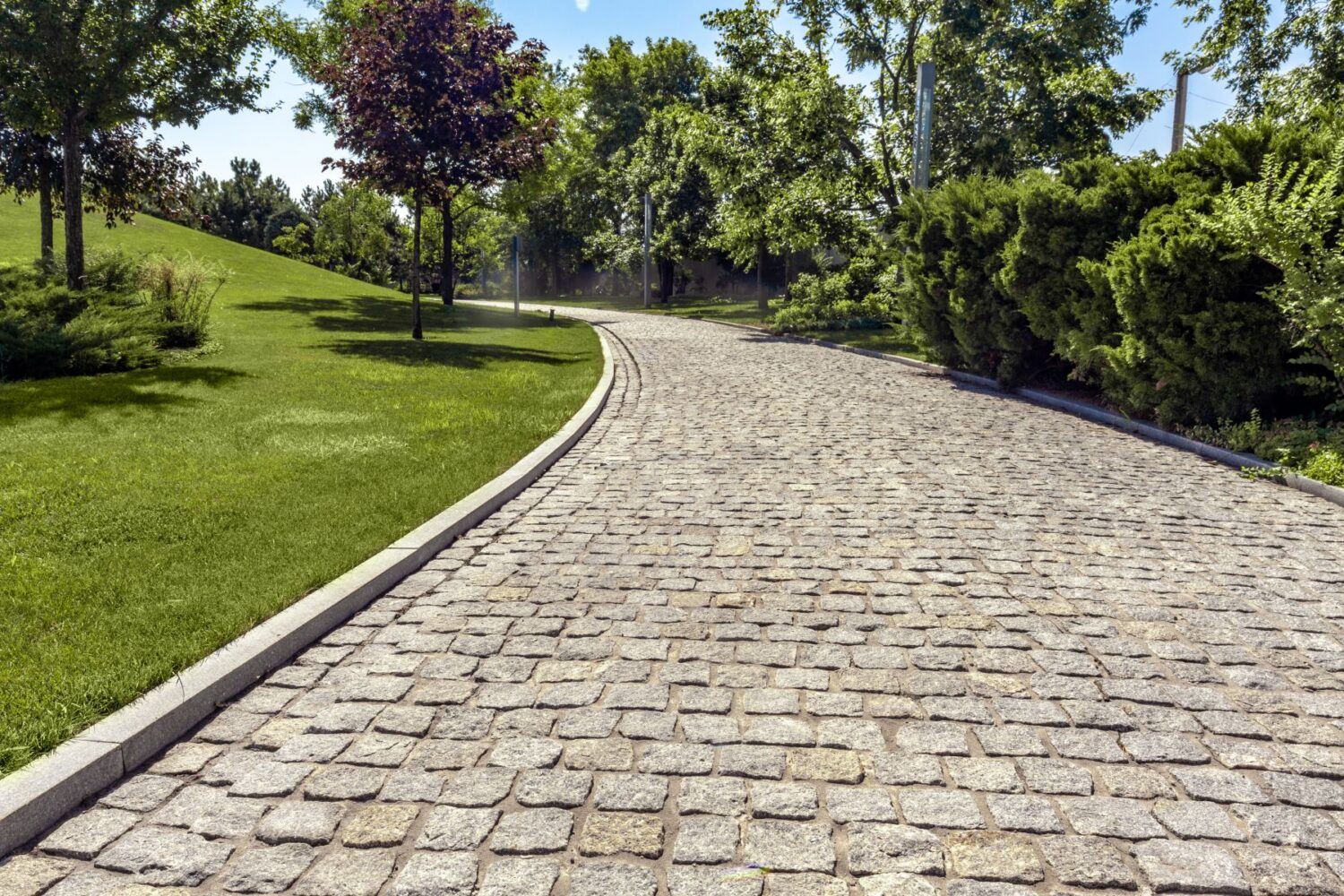
Avoid too many sharp finishes, overly polished surfaces or materials that don’t age well as they can make the space feel cold and uninviting. Also, a sudden transition between your outdoor spaces breaks the visual flow. For instance, if you are using Cobblestone pavers for outdoors, ensure to use through the space or use a stone with a similar shade for a smoother visual. Always go with high-quality material to avoid frequent replacements.
When choosing materials, homeowners often fall into the trap of suppliers that offer lower prices but it’s always smarter to do the market research and source only from the top suppliers. If you are looking for Cobblestone in Sydney or any natural stone in nearby areas, contact the local suppliers, compare options and take your time in finalising.
Conclusion
At the end of the day, your outdoor space isn’t meant to be admired from a distance. It’s meant to be lived in. When you design with all five senses in mind, your space becomes more than just visually appealing; it becomes comforting, engaging and memorable.
It’s in the way the ground feels beneath your feet, the movement of light, the way it sounds or smells. And often, the biggest difference comes from the choices you make at the base. When you have an outdoor space that feels right, not just looks right, you stay outside a little longer.
*Disclaimer: The information provided in this blog is to the best of our knowledge and intended as a general guide. We recommend confirming all details based on your specific project requirements before execution.