

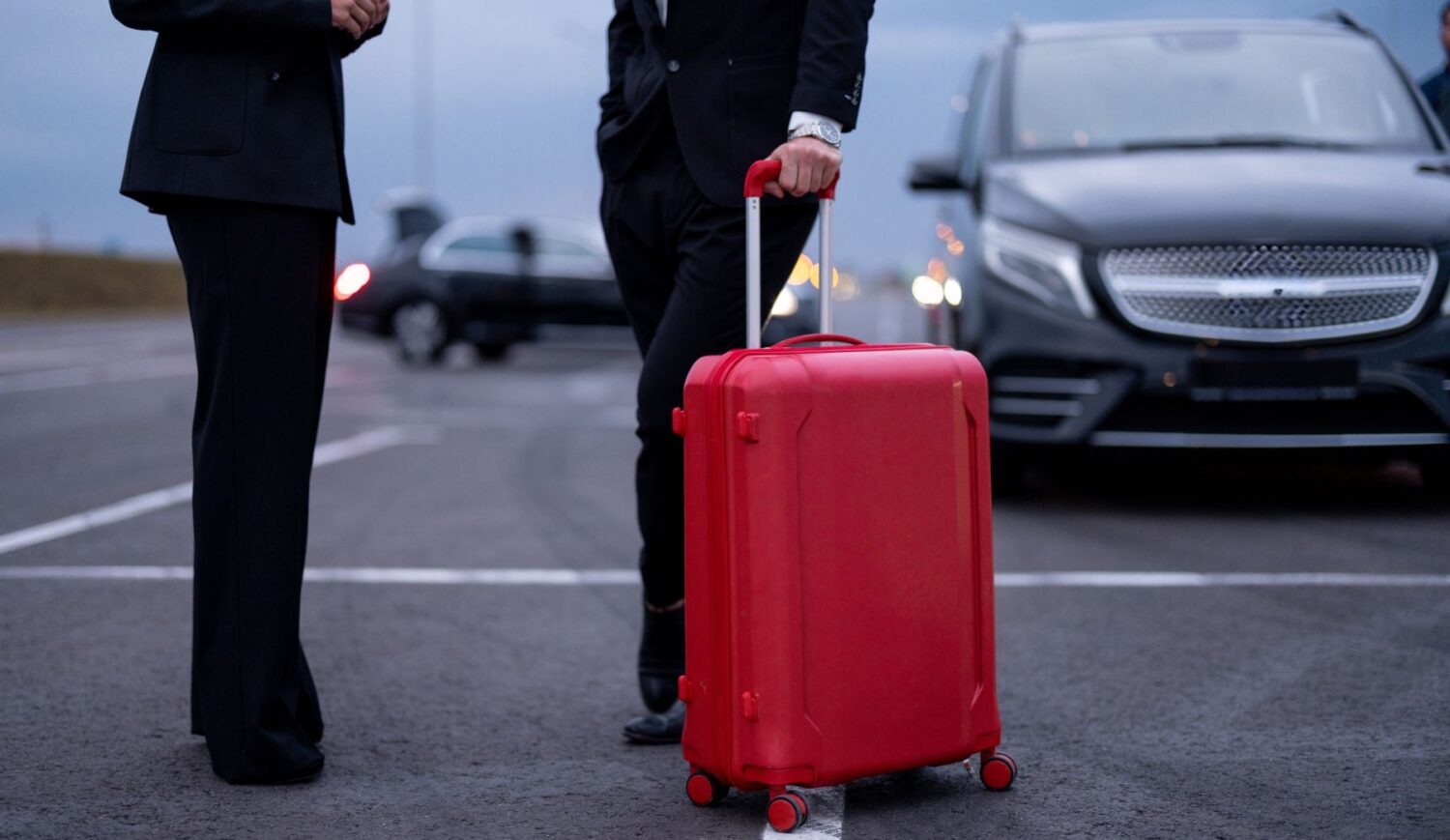

Melbourne Airport looks sleek, yet baggage trolleys still rattle when you roll toward the pickup zone. A suit bag, a wine box, and two carry ons can overwhelm a boot fast. Choosing the right vehicle keeps your arrival calm when you collect keys and leave the terminal.
If your stay starts near Tullamarine, match the car to people, bags, and city parking limits. Many travellers review companies like East Coast car rentals, and their melbourne car hire options before landing, so pickup steps are clear. That clarity keeps day one open for check in, dinner bookings, and a slow drive. Use that overview as a prompt, then decide what size and features suit your plan.
Match The Vehicle To The Places You Will Visit
Luxury trips often mix CBD dinners with day drives to the Yarra Valley and Mornington Peninsula. Those routes include tight hotel entries, multi level car parks, and narrow coastal streets at peak times. A vehicle that feels easy at every stop keeps attention on your booking times and reservations.
Start with the spaces you must enter, then work backward to the car size you need. Think about lane widths, turning circles, and how often you will reverse into bays after dark. If valet parking is likely, check whether the venue limits height, turning angle, or vehicle length.
Build a short fit list before you reserve, and keep it beside your itinerary notes.
– City hotels with underground parking often suit medium SUVs, not long wheelbase people movers in practice.
– Winery stops and farm gates suit higher clearance, especially after heavy rain and soft shoulders.
– Beach trips suit a boot that holds towels, chairs, and a cooler without stacking items high.
After size, decide on the driving feel that keeps you relaxed across mixed road conditions. Some drivers want light steering for laneways, while others prefer a firmer ride on freeways. Test that preference against your route, because longer drives can magnify even small comfort issues.
Choose Comfort Features You Will Notice Every Hour
A luxury trip feels better when the cabin supports the way you actually travel between stops. Noise levels, seat shape, and climate control matter more than trim badges or flashy displays. Pick features you will use daily, not features you will show once at a pickup counter.
For couples, good lumbar support helps during two hour loops between wineries and lunch bookings. For families, rear air vents and simple child seat access cut rest stops and complaints. For friends, rear legroom and headroom matter more than boot litres on a brochure chart.
Technology helps when it reduces effort on unfamiliar roads, not when it adds extra steps. Apple CarPlay or Android Auto can make directions clearer than many built in dash systems. Parking sensors and a clear reversing camera save time when you squeeze into busy city bays.
Plan charging the same way you plan outfits, using numbers rather than guesses each morning. Count how many ports you need, then check whether they sit in front, rear, or both. If you pick an electric vehicle, map charging stops and confirm your hotel has workable access.
Plan For Airport Pickup And City Parking
Airport pickup is smoother when you know the route from terminal to shuttle, then to keys. Allow time for flight delays, baggage queues, and the small wait that happens at busy periods. A calm pickup keeps your group together, and it avoids rushed decisions at the kerb.
Once you reach the city, parking rules can change street by street within the same block. The City of Melbourne guidance on parking larger vehicles explains how a vehicle must fit within marked bays. Read that advice before committing to a wider SUV or people mover for tight CBD stays.
Also check whether you will drive toll roads during airport transfers or inner city trips. Many rentals manage tolls through electronic tags, yet fee handling and admin charges can differ. If you prefer avoiding tolls, set your maps app before you leave the airport precinct.
Think about fuel type and where you will refuel between suburbs and regional stops during your stay. Petrol is easy, while diesel can often suit longer freeway runs and heavier loads too. If you pick a hybrid, confirm boot space because battery packs can reduce depth slightly.
Pick A Car That Fits Luggage And The Shopping You Plan
Luxury travel often includes shopping, gift bottles, and boxed items from homewares and design stores. A vehicle that swallows boxes without blocking the rear window makes driving safer in traffic. Plan for what you will bring back, not only what you carry from home on day one.
Measure the longest item you expect to carry, such as a garment bag or framed print. Then choose a boot opening that loads flat, without bending corners or crushing edges into place. Hatch shapes vary a lot, even between cars with similar boot litre numbers on paper.
If you plan a garden visit, you may pick up plants, cushions, or small decor for gifts. Bring a soft blanket and a few reusable bags, so items do not slide on corners. Those habits protect purchases and keep the cabin tidy when you take sharper turns at speed.
For groups, split luggage between hard cases and soft bags whenever your packing list allows. Soft bags compress around corners, which frees space for food, wine, and weekend extras later. If you must bring hard cases, choose a vehicle with a flatter boot floor for stacking.
Seat belts and restraints are non negotiable, even for a short ride between dinner and a hotel. The Victoria transport seat belt rules page sums up the driver duty and who must wear a belt. Use that reminder if children travel with you, or if late nights make attention softer.
A Quick Final Check Before You Drive
Before you confirm a booking, list passengers, stops, and luggage in plain numbers you can defend. Match those needs to vehicle size, comfort features, and the parking reality where you will stay. With that fit sorted, the drive from the airport stays smooth, and every stop stays simple.
You Might Also Like


