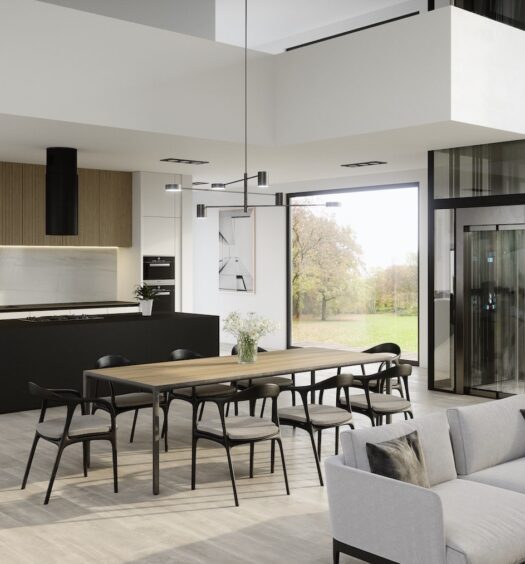

I recently helped a client furnish a 3.0 x 2.8 m dining nook in her Surry Hills apartment. She wanted four seats, proper elbow room, and a table that looked intentional rather than cramped.
We measured the space, subtracted circulation clearances, and landed on a 110 cm round table with slim chairs. The room felt twice its size overnight.
That result had nothing to do with taste. It came down to numbers.
Australian apartments are getting tighter. The Housing Industry Association reports the average new apartment measured just over 118 square metres in 2022/23. When your dining zone shares an open-plan layout with the kitchen and living area, every centimetre you allocate to a table is a centimetre you take from somewhere else.
Small dining table sets are not a compromise. They are a precision exercise. Get the measurements right and the set looks bespoke. Get them wrong and you are bumping chairs into walls every evening.
A measurement-first framework helps you size the room, choose the right shape, and finish the area so a compact dining set feels calm, practical, and polished. A tape measure and painter’s tape will tell you more than a showroom display ever can.
What Counts as Small in a Luxury Australian Context
A small dining set should leave the room easy to live in, not merely squeeze the right number of seats into the footprint.
In premium interiors, small describes flow, not a reduced seat count. A small dining table set typically serves two to four people daily and expands to accommodate six occasionally, all while retaining a 90 cm circulation ring.
Compact footprints appear in breakfast nooks, apartment dining corners, and secondary living zones in townhomes. RMIT furniture guidelines list typical compact sizes as 800 to 900 mm round for two to three people, 1100 to 1200 mm round for four to six, and rectangles at 1500 x 750 mm for four to six seats.
The real test is daily use. If the table handles breakfast, work, homework, and dinner without constant chair shuffling, it is the right kind of small.
With apartment sizes trending smaller, planning discipline matters. A well-measured small set delivers visual calm and genuine luxury. A poorly chosen one turns dinner into an obstacle course.
Measure Once, Buy Right: Your Room-to-Table Formula
Start with the room, subtract circulation, then choose shape and size. This single principle eliminates guesswork.
First, measure your room length and width to the nearest five millimetres. Note obstructions like island overhangs, stair entries, skirting boards, and door-swing arcs. Second, deduct 90 cm from each side that borders a wall or fixture. King Living’s Australian buying guide recommends this exact clearance so chairs can pull out easily and people can circulate. Third, if you are considering an extendable table, re-run calculations with extension dimensions.
The formula is simple: minimum room dimension equals table dimension plus two times 90 cm.
Worked examples help make this concrete. A round table at 100 to 110 cm diameter needs roughly a 2.8 to 2.9 m square clear zone. A slender rectangle at 120 x 75 cm needs about 3.0 x 2.6 m. A compact six-seater at 150 x 90 cm requires approximately 3.3 x 2.7 m.
One useful check is to tape the table footprint on the floor and pull a chair into place. That quick mock-up shows whether the room still works when someone is actually sitting there.
Shape-First Decisions: Round, Rectangle, Square, or Oval
Match the table shape to your room geometry and traffic paths to gain usable space without shrinking the top.
Round tables excel in square rooms and corner banquettes. No protruding corners means easier flow, and the shape encourages conversation. Specify 110 to 120 cm for four to six seats or 80 to 90 cm for two to three.
Rectangles align naturally with narrow rooms. Plan for 150 x 75 cm at four to six seats. Pedestal or trestle bases help legs slide underneath more easily than chunky corner legs.
Square tables suit a dedicated four-person setting in a square room at 90 to 105 cm. Ovals soften the visual line in narrow plans while keeping rectangle capacity, and they work well for head-of-table service.
If two shapes fit on paper, choose the one that lets chairs tuck in fully and keeps the main path clean. Visual bulk matters almost as much as the tabletop measurement.
| Shape | Compact Size | Seats | Best Room Type | Watch-Outs
|
| Round | 100 to 110 cm dia. | 4 | Square rooms, banquettes | Verify base allows full chair tuck |
| Rectangle | 150 x 90 cm | 4 to 6 | Narrow rooms | Keep 90 cm on passage side |
| Square | 90 to 105 cm | 4 | Compact square rooms | Limited expandability |
| Oval | 140 x 80 cm | 4 to 5 | Narrow rooms wanting softer lines | Confirm head-seat clearance |
Seat-Count Reality Check
Capacity depends on elbow room and base design, not just perimeter maths.
Allow roughly 60 cm per diner for comfortable elbow space, then confirm your chosen chairs actually fit that allocation. If your chairs have arms and measure 55 cm or more across, reduce the claimed seat count by one on that side.
For round tables, a quick formula works: seats equal the circumference divided by 60 cm, rounded down. A 110 cm table has a circumference of about 346 cm, yielding a maximum of five but a luxurious four. A 120 cm table reaches roughly 377 cm, comfortable for four to five.
Pedestal bases or slim aprons, the frame beneath the tabletop, often yield one extra seat compared with chunky corner legs on the same top. A practical pairing is a table height of about 74 cm with dining chairs at roughly 45 cm seat height for comfortable ergonomics.
Brands tend to count the tightest possible arrangement. Your room will feel better if you buy for everyday comfort and borrow a folding chair on the rare night you need one more place.
Materials That Make Small Feel Luxe
Specify finishes for performance first, then for tone and texture. The material choice determines how your set ages, especially in Australian conditions.
Solid timber is timeless and repairable, but WoodSolutions notes timber inevitably moves with moisture changes tied to ambient relative humidity. Design and finishing should manage that movement rather than try to eliminate it. Shield timber tops from direct sun with UV-blocking finishes or films.
Timber veneer offers dimensional stability and sleek, thin profiles. Ensure E0 or E1 grade substrates and UV-resistant clear coats. Match edge treatments carefully to avoid visible tells, especially on pale oak or walnut finishes.
Sintered stone and porcelain suit sun-drenched dining zones near glazing. Sintered stone is a dense surface made under high heat and pressure. Cosentino’s Dekton technical documentation confirms sintered surfaces are highly resistant to scratching and to fire and heat.
Glass visually disappears and expands perceived space. Pair it with upholstered chairs for warmth and balance, and be realistic about fingerprints. Metal bases in powder-coated aluminium or steel keep profiles slim. Always check for felt glides to protect timber floors.
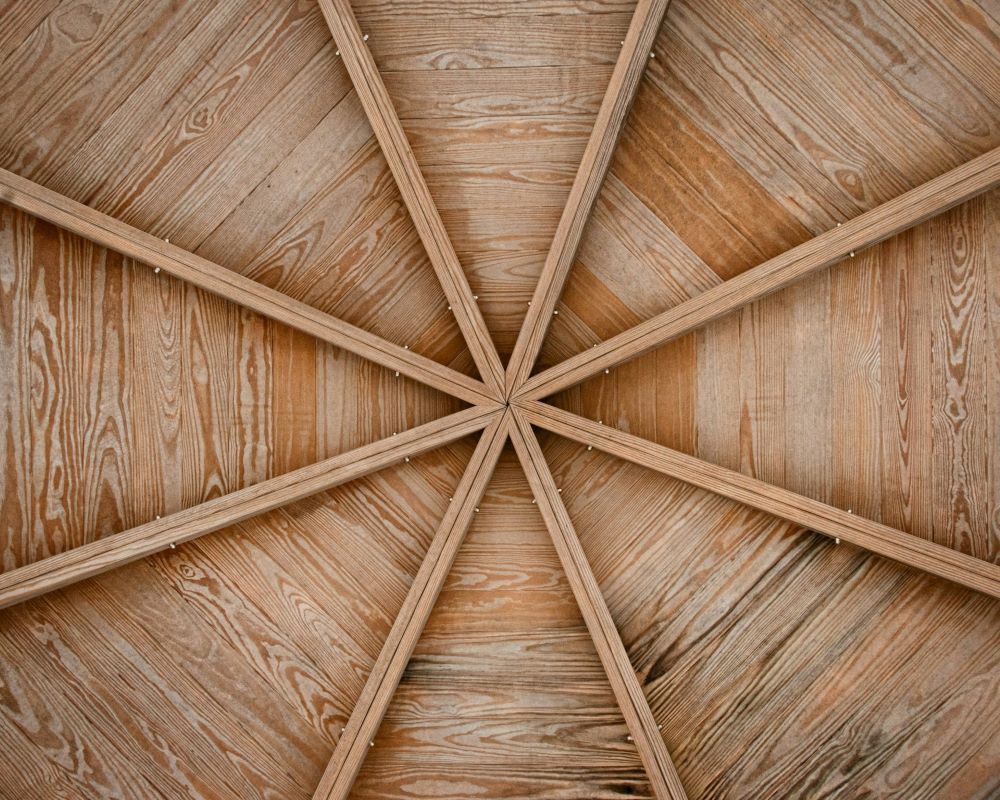
For sustainability, look for Responsible Wood or PEFC certification. Responsible Wood is Australia’s national governing body for PEFC, signalling timber sourced through audited, sustainable supply chains. FSC chain-of-custody is equally valid.
Chairs, Benches, and Banquettes in Tight Plans
Chair specifications make or break clearances, even when the table size is perfect.
A bench or banquette can reclaim 20 to 30 cm in a tight room because seating slides fully under the table or pushes against a wall. Target a seat height of 45 to 48 cm under tables at 71 to 76 cm. Confirm armrest height clears the table apron before purchasing.
Slim, open-leg silhouettes read lighter visually, while barrel backs add comfort but may reduce count by one. Banquettes push seating to the wall, freeing an entire circulation side. In family homes, build storage under the banquette seat.
There is a trade-off. Benches and deep corner banquettes are less convenient for older guests or anyone who gets up frequently during a meal.
A quick checklist before buying: seat width, arm width, back angle, apron drop, and base clearance.
Australian-Specific Constraints and Opportunities
Design for our sun, humidity, and building realities, because those conditions affect durability as much as style does.
Near north-facing glazing, specify UV-blocking films or curtains and prefer sintered stone or well-finished timber tops that resist fading. In coastal homes, watch for airborne salt and humidity. Choose corrosion-resistant powder-coated bases and dimensionally stable tops.
For apartments, always check lift dimensions and corridor widths before ordering. Flat-pack bases with solid tops often solve access problems that fully assembled sets cannot. It is also worth confirming who carries the top upstairs and whether assembly is included.
Once you have measured your room, confirmed your shape, and shortlisted the right material and finish for your conditions, the next step is comparing specific sets. Dshop’s filters let you sort by seat count, material, and maximum dimensions so you can match a set to measured clearances, lift access, and a fixed move-in date before you commit. After that, you can find the small dining table sets for your home that fit your measured clearances and delivery timeline.
Lighting and Rug Sizing: Finish the Scene
Correct pendant height and rug footprint unify a dining setting and make even the smallest set feel considered.
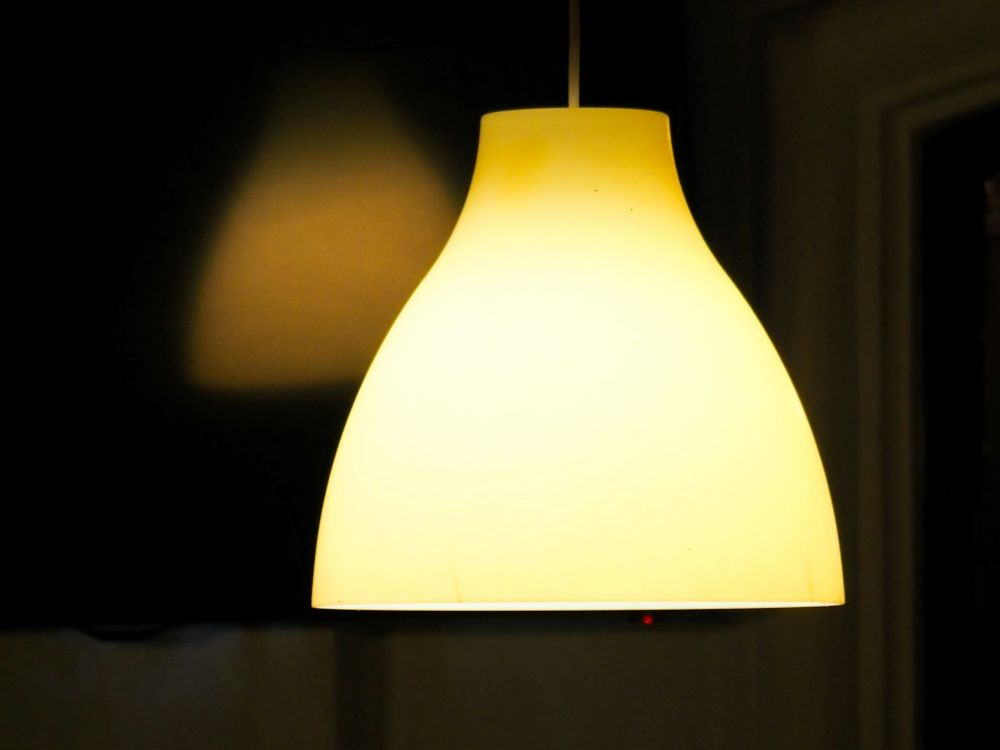
Australian lighting retailer guidance places pendant lights around 70 to 80 cm above the dining tabletop. As a sizing cue, choose a pendant diameter equal to roughly one-third to one-half the width of the table. Centre the fixture on the table, not the room ceiling.
Layer a dimmable pendant with gentle wall-wash lighting, which simply means light aimed across the wall for softness. Warm light usually flatters food and faces better than a cool bulb, and it reduces glare on glossy tops.
Temple and Webster’s rug guide recommends choosing a rug large enough that dining chairs stay completely on the rug even when pulled out. Plan the table footprint plus 60 to 70 cm on all sides. Use low-pile, stain-resistant fibres for easy maintenance.
Style Tactics to Make Small Look Expensive
Reduce visual bulk and bounce light so the room feels open without giving up function.
Choose thin tops or bevelled edges, slim legs, and light neutral tones. Add contrast through chair upholstery or wall art rather than heavy table detailing.
Houzz Australia advises using transparent or translucent furniture and mirrors to visually enlarge small spaces and keep sightlines open. Glass tops, acrylic chairs, and a well-placed mirror behind the dining zone all work.
Corral tabletop styling to a single scaled centrepiece and keep it below the pendant line so sightlines stay clear. For open-plan spaces with hard surfaces, add fabric seats or a rug beneath the table to soften acoustic reverb.
Frequently Asked Questions
These quick answers cover the measurement and planning questions buyers raise most before ordering.
What size table works for a 2.7 x 3.0 m dining nook?
Subtract 90 cm from each side for circulation. That leaves a maximum table footprint of roughly 90 cm x 120 cm. A 110 cm round or a 120 x 75 cm rectangle fits comfortably with clearance on all sides.
Round or Rectangle: Which Saves More Space in a Narrow Room?
A rectangle aligns with the long wall and keeps the passage side clear. However, if you have a corner banquette, a round table can push seating against two walls at once and free more floor area in the centre.
How Many People Can I Seat at a 110 cm and a 120 cm Round Table?
A 110 cm round seats four comfortably using the 60 cm elbow-room rule. A 120 cm round seats four to five. Marketing may claim six, but real comfort means keeping seat count realistic.
Are Pedestal Bases Really Better for Capacity?
Yes. A pedestal or single-column base eliminates corner legs that block knee space. On the same tabletop, you often gain one extra usable seat compared with four-leg designs.
What Pendant Size and Height Suit a 90 cm Wide Table?
Hang the pendant 70 to 80 cm above the tabletop. Choose a fixture diameter of roughly 30 to 45 cm, which is one-third to one-half of the table width. Centre it on the table for even light distribution.
What Rug Size Do I Need Under a 150 x 90 cm Table?
Add 60 to 70 cm on every side for chair pull-back. That means a rug of approximately 270 x 210 cm or the nearest standard size above those dimensions.
Solid Timber, Veneer, or Sintered Stone: Which Is Lowest Maintenance Near a Sunny Window?
Sintered stone wins for sun-exposed positions. It resists UV fading, scratching, and heat without requiring resealing or special coatings. Timber veneer with a UV-resistant clear coat is the next best option, while solid timber demands the most upkeep near direct sunlight.
You Might Also Like