



With the ever-increasing price of electricity in Sydney, households are facing a financial crunch. Managing monthly bills amidst this steep climb has become a real concern. And while cost is an immediate factor, the bigger picture brings our environmental footprint into perspective. The ramifications of heavy electricity usage don’t stop at a drained wallet, they extend to wider environmental consequences. This is why it’s integral to review personal habits of energy consumption, to not only save money but also limit environmental impact.
Thankfully, effective yet straightforward strategies exist that can reduce your spending on electricity immediately. Adopting an energy-saving mindset that doesn’t involve compromising on your usual comforts helps eliminate unnecessary energy wastage. Let’s dive deeper into practical yet effective measures that you can integrate into your life. These will bring about immediate savings and will eventually contribute to a more sustainable lifestyle and environmental conservation.
Conduct an Energy Audit
As a starting point, consider conducting an energy audit for your home. This is an essential first step towards your goal of energy efficiency and lower electricity bills. An energy audit involves a detailed assessment of your home, conducted to identify potential energy leaks and inefficiencies that contribute to higher electricity costs.
Professional energy audits provide a comprehensive analysis and thus are the ideal choice. They use advanced tools such as infrared cameras to detect areas letting in cold air in winters or letting out cool air in summers. However, if you are keen on adopting a DIY approach, you can start by reviewing your electricity bills over time. Try to identify unusually high usage periods and investigate the potential causes – was it because of a new appliance or a change in routine?
Understanding power consumption patterns within your family can shed light on which areas need attention. If you notice high energy consumption during the evenings, you might want to encourage family members to switch off unnecessary lights or appliances during this period. Essentially, an energy audit sets the stage for a personalised approach to saving electricity and setting realistic, achievable energy-saving targets.
Optimise Your Lighting Choices
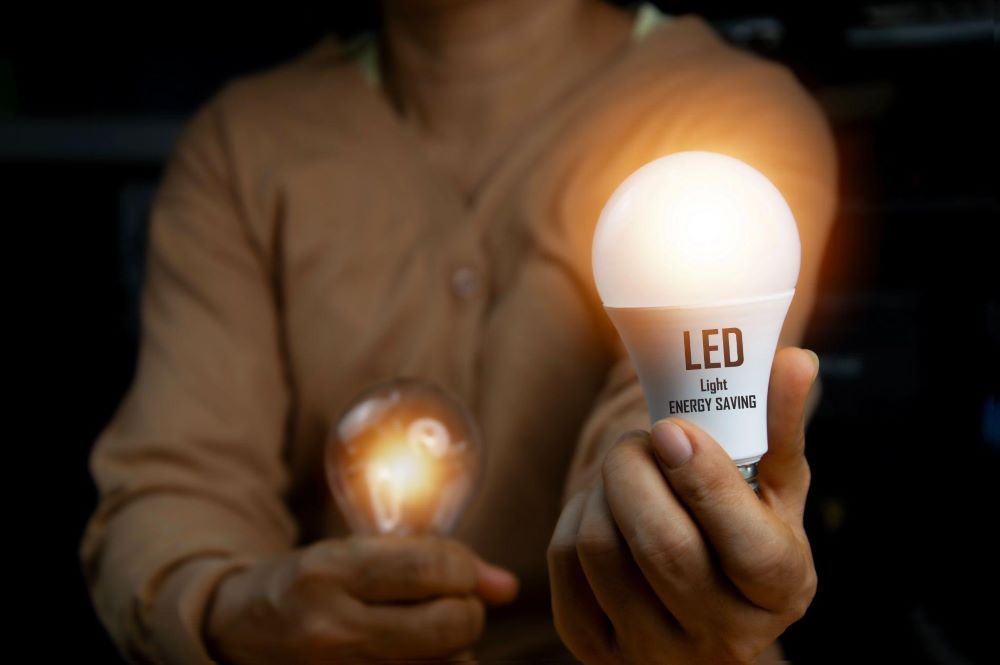
One aspect of our everyday life that we tend to overlook is lighting. By simply changing your lighting choices, you can reduce a significant amount of energy consumption. For instance, make the shift to Light-Emitting Diode (LED) bulbs, which offer cost savings due to their energy efficiency and longevity. LED bulbs minimise energy usage by approximately 75% in comparison to traditional incandescent bulbs, making them a high-value investment.
In addition to installing energy-efficient bulbs, make the most of natural light. It goes a long way in keeping your home well-lit without adding to the electricity bill, especially during daytime hours when the sun is at its brightest. For maximum effect, opt for light colours for walls, curtains, and furniture so that they resonate with the natural sunlight. Moreover, installing dimmer switches and focused-task lighting rather than area-wide room lights can yield impressive savings.
Upgrade Appliances and Electronics
Our homes are a minefield of energy consumption, with appliances and electronics at the heart of it. Older appliances are notorious energy guzzlers. Hence, it is worthwhile investing in modern appliances that come with proven energy efficiency ratings. When shopping for new appliances, look for those with high Energy Star ratings – an endorsed label for energy efficiency by the government.
Remember to address phantom energy use – or the energy consumed by electronics when they are switched off but plugged in. A study from the Natural Resources Defense Council (NRDC) found that inactive devices account for nearly 23% of residential electricity consumption. The solution – smart power strips that stop the power supply to devices not in use, helping to control electricity wastage.
Regular maintenance is another key aspect of energy efficiency. Ensure that refrigerator coils are clean, which allows for efficient operation. Similarly, clean dryer lint filters regularly to keep your machine working at its optimal efficiency. Over time, these small routine checks can contribute to larger savings.
Improve Home Insulation and Sealing
A lack of proper insulation and sealing is another common energy guzzler. Such inefficiencies lead to heat loss in winter and let in heat during summer, making your heating and cooling systems work overtime. Common areas of thermal energy loss include the attic, roof, walls, floors, and doors of your home. To counter this, consider proper insulation in these places. The attic is especially important, as heat tends to rise and without proper insulation, can easily escape from the house, leading to higher heating costs. Insulation acts as a protective envelope for your home, maintaining a desirable temperature and cutting down energy costs.
A home energy audit can help identify drafts and leaks in windows and doors. Weather stripping, caulking, or door sweeps can be used to stop these drafts and leaks. As the seasons change and temperatures fluctuate, inspect and repair or replace these temporary solutions periodically. Adequate sealing prevents avoidable energy loss and allows heating or cooling systems to perform at their best efficiency.
Implement Smart Thermostat Strategies
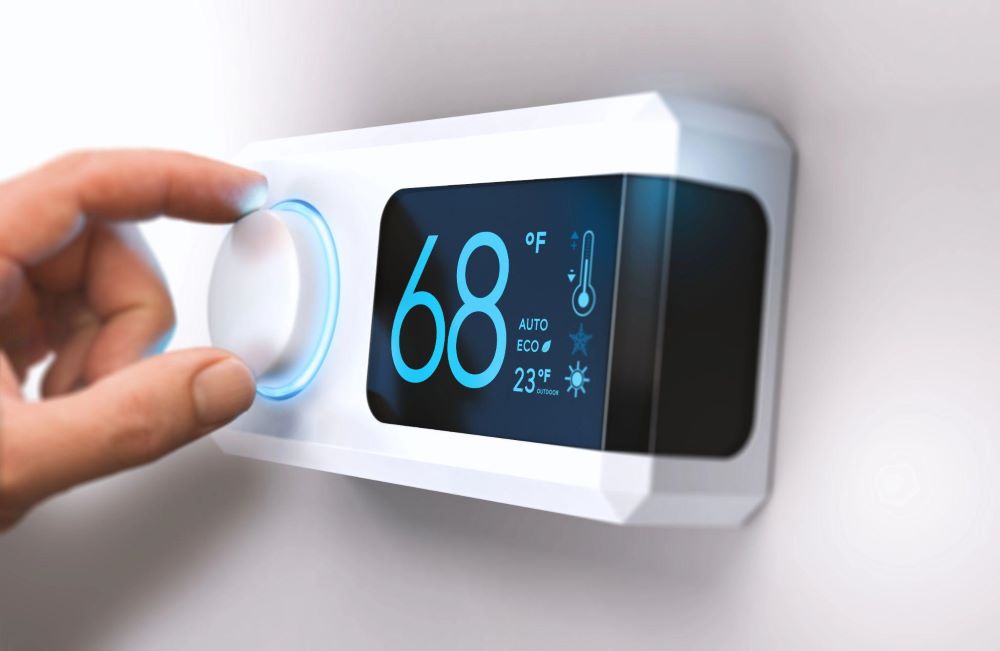
The application of smart technology has an impactful role in creating energy-efficient homes. Take smart thermostats — they can learn from your routines and adjust your home’s temperature to suit your preferences, balancing comfort with energy efficiency. By reducing your home’s temperature by 7-10 degrees for about eight hours a day, you can end up saving about 10% on your annual heating and cooling costs.
Further, smart thermostats provide remote access to allow you to monitor and control temperature settings when you are away from home. This means that you can ensure efficient use of energy, even while you are not physically present to make the adjustments. Depending on the season, make relevant adjustments to the temperature settings. For example, during winter, try setting the temperature to around 18°C while you are at home and slightly lower when you are away. Similarly, during summer, set your thermostat to around 26°C to achieve a balance between comfort and energy conservation.
Cultivate Energy-Saving Habits
Cultivating mindful energy-saving habits can significantly reduce your electricity bill and contribute to a better environment. The first step is to unplug devices when they are not in use. Consider this – a phone charger consumes energy when it’s plugged in, even if your phone is not connected to it. Similarly, ensure that you and your family develop the habit of switching off lights when leaving a room.
Changes to your laundry habits can also lead to impressive savings. Consider making the shift to cold water for washing clothes and embrace air drying. A regular, efficient HVAC (Heating, Ventilation, and Air Conditioning) maintenance routine ensures that your HVAC system works at its optimal efficiency, providing a comfortable environment and reducing energy consumption.
Remem ber, these changes alone will not bring about a dramatic difference. However, educating others at home about these habits and implementing them as a family can collectively lead to significant savings.
Conclusion
Implementing these tips can transform your home into a more energy-efficient space, reducing your electricity bills while contributing positively to the environment. The potential for savings is encouraging, and the added long-term benefits make these investments more attractive. These include raising your home’s value, as energy-efficient homes are increasingly in demand. Additionally, these measures contribute to reducing your carbon footprint, leading to a healthier, more sustainable environment.
Investing in energy-efficient appliances might appear expensive initially, but the long-term rewards are worth it. The true essence of energy-saving revolves around understanding current energy usage and repurposing the way we consume energy. In doing so, we contribute not only to personal savings but also to a greener and more sustainable earth. Collectively, we can make a significant difference. After all, every bit counts.
You Might Also Like

