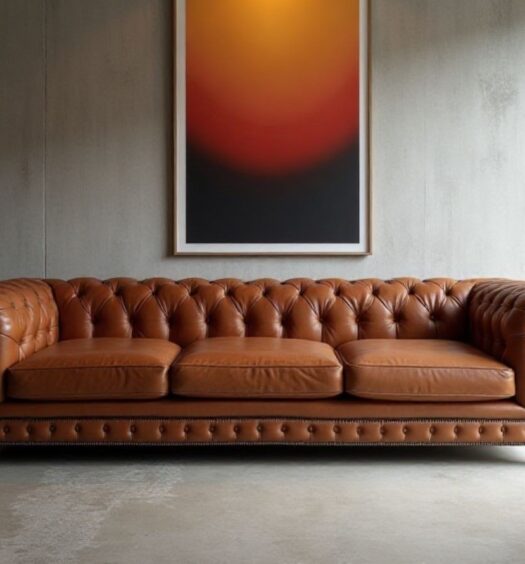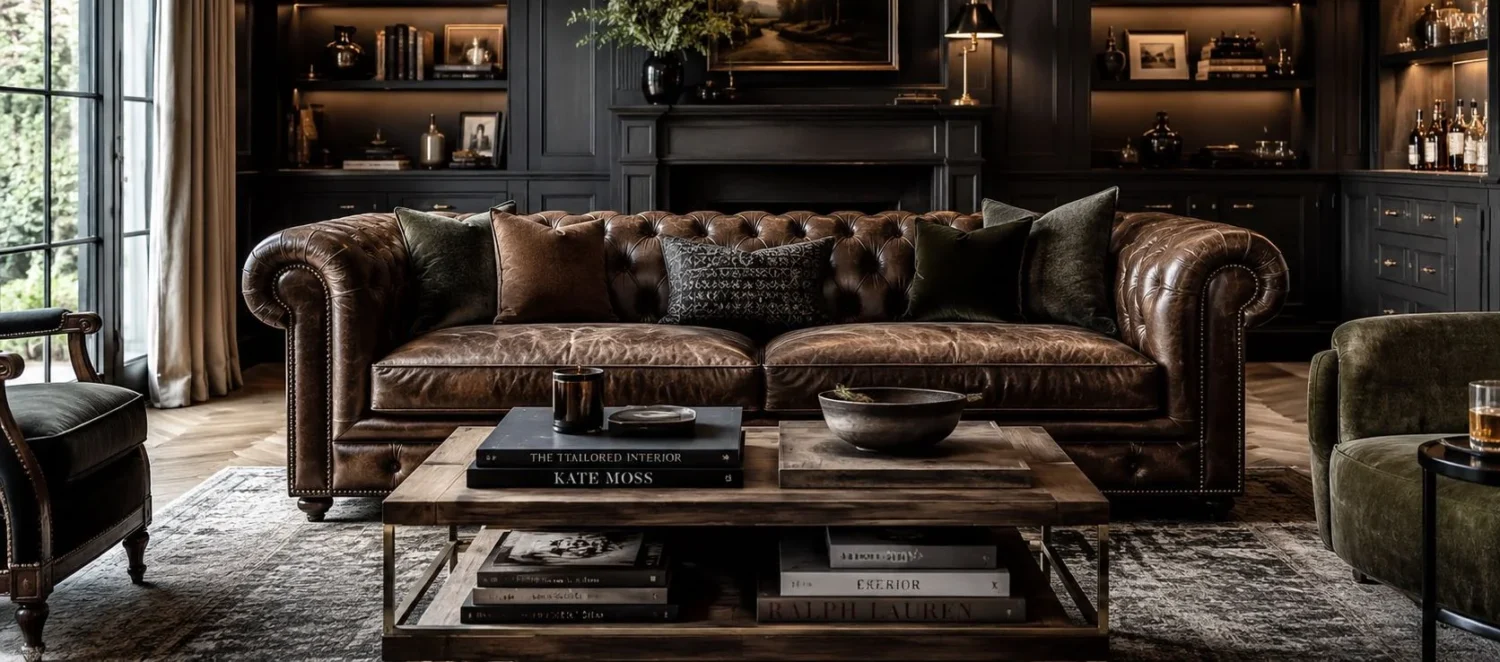

There are very few furniture pieces that feel equally at home in a centuries-old European castle as they do within a contemporary Australian residence, yet the Chesterfield has managed to transcend almost every design era imaginable. From traditional estates and grand libraries through to relaxed coastal homes, industrial lofts and modern architectural interiors, its distinctive silhouette continues to evolve alongside the spaces around it.
Part of the enduring appeal of handcrafted Australian Chesterfields lies in that versatility. They carry a sense of history and craftsmanship, yet can feel equally refined, relaxed or contemporary depending on the way they are tailored. Within custom homes especially, where individuality and materiality play such an important role, bespoke Chesterfields continue to resonate with homeowners seeking furniture that feels connected to the character of the home itself rather than simply filling a space.
Today, the Chesterfield is no longer reserved for formal sitting rooms or traditional interiors. Within modern custom homes, it has evolved into a far more versatile piece, appearing in everything from contemporary coastal residences and modern farmhouses through to layered urban interiors and expansive family homes. Increasingly, homeowners are seeking furniture that feels tailored to the individuality of the home itself rather than selected from a generic showroom floor.
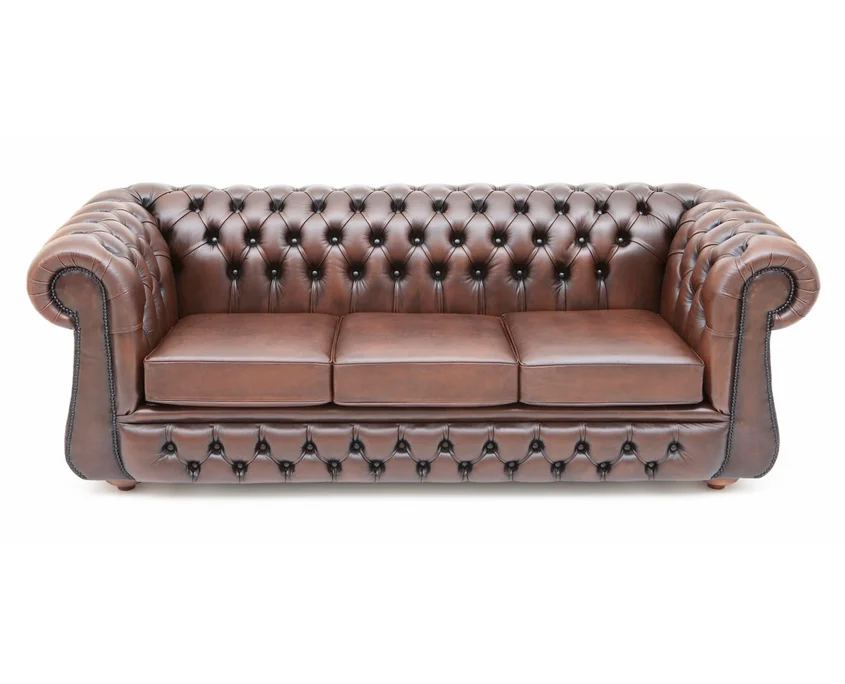
That shift has created renewed appreciation for handcrafted Australian furniture makers such as Chesterfield House, whose bespoke approach allows homeowners, architects and interior designers to customise dimensions, finishes and detailing to suit the architecture and lifestyle of the home. While many imported furniture collections are restricted to standard sizing and predetermined finishes, handcrafted furniture offers a far greater level of flexibility — particularly important within luxury custom homes where proportions, material palettes and spatial planning are rarely standardised.
In large open-plan living areas, standard furniture sizing can often feel underscaled against soaring ceilings, oversized glazing and expansive floorplans. Custom-made Chesterfields allow proportions to be adjusted to suit the room itself, creating a stronger visual connection between the furniture and the surrounding architecture. Depth, seat height, arm profiles, leather selections and timber finishes can all be tailored to create a more cohesive interior outcome.
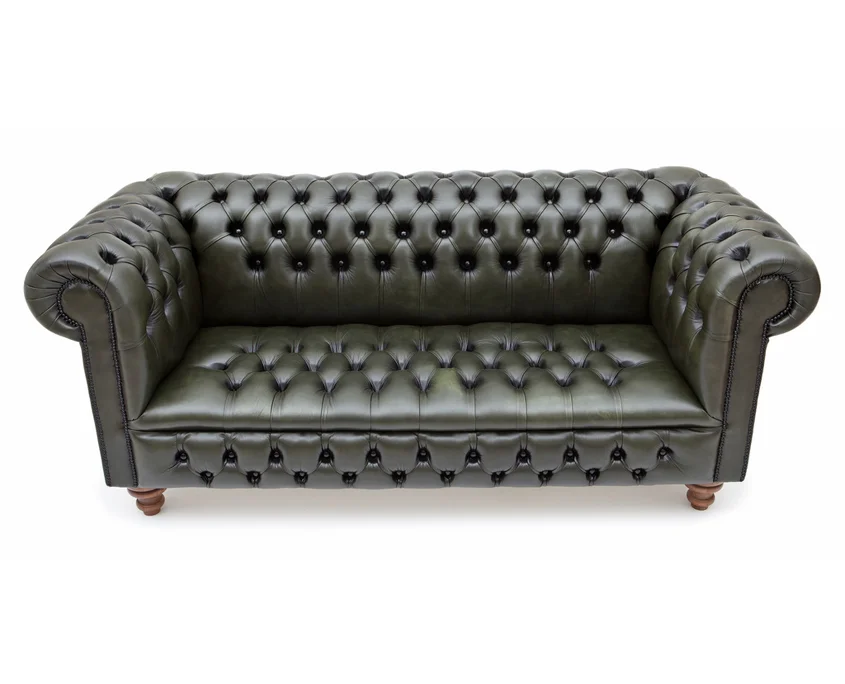
For interior designers, this level of customisation becomes particularly valuable when trying to create continuity throughout a home. Rich leather tones can complement natural stone or dark timber flooring, while softer linen or velvet finishes can shift the Chesterfield into a more contemporary direction without losing the distinctive detailing that defines the silhouette. Chesterfield House offers an extensive range of leather, fabric and timber finish options, allowing each piece to feel uniquely connected to the home it is created for.
There is also a growing appreciation for furniture that is handmade locally rather than mass-produced offshore. Within luxury residential design, craftsmanship has become increasingly important — not only within the architecture itself, but throughout every layer of the home. Homeowners investing in natural stone, bespoke joinery, custom glazing systems and handcrafted finishes are naturally drawn towards furniture that reflects the same level of care and longevity.
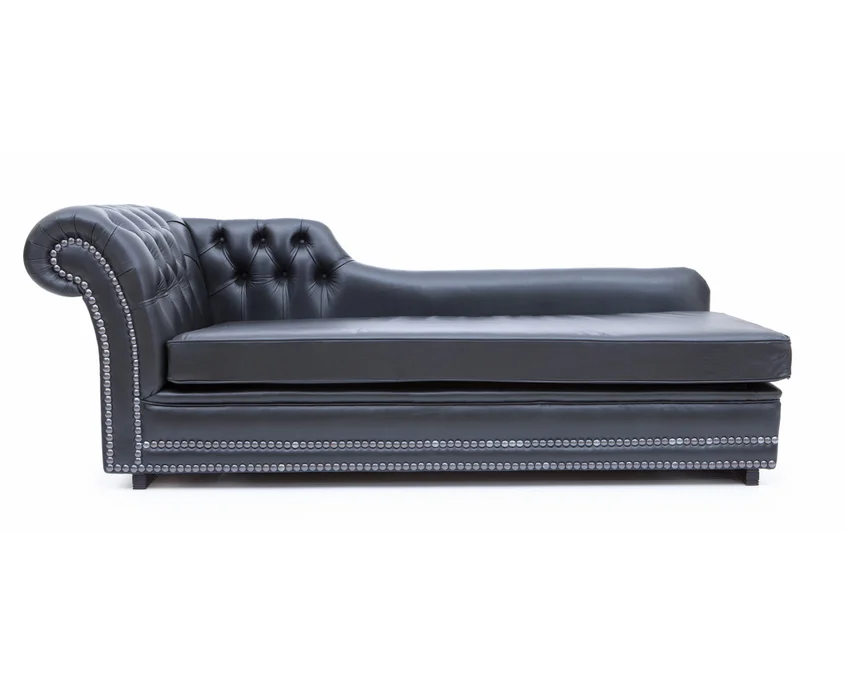
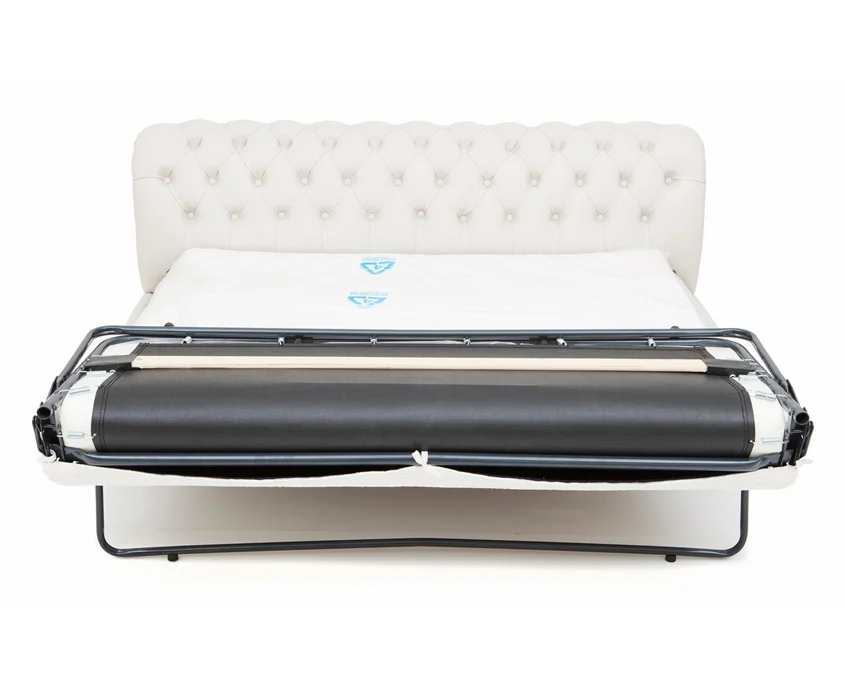
That connection to craftsmanship has always sat at the centre of the Chesterfield’s identity. Originating in England centuries ago, the Chesterfield became known for its deep buttoning, rolled arms and strong internal construction. While the silhouette remains timeless, modern handcrafted Chesterfields have evolved significantly in terms of comfort and functionality. Chesterfield House combines traditional upholstery methods with contemporary suspension systems and cushioning technology to create seating that retains the visual character of the original Chesterfield while offering a softer and more relaxed seating experience suited to modern living.
Longevity also plays a significant role in the enduring appeal of handcrafted furniture. In an era increasingly dominated by fast interiors and short-lived trends, pieces built with genuine craftsmanship tend to age more gracefully over time. Full-grain leathers develop patina and character, timber gains warmth and depth, and the furniture itself becomes more connected to the story of the home. Rather than feeling disposable, handcrafted furniture becomes part of the architecture and daily life of the space.
Within custom homes, furniture is also beginning to be viewed differently during the design process itself. Rather than being selected as a finishing touch once construction is complete, bespoke furniture is increasingly integrated into the broader interior vision from the beginning. Architects and designers are planning rooms around how people will actually live within them, and furniture plays a significant role in shaping comfort, atmosphere and functionality.
This is particularly true within Australian homes where indoor and outdoor living continue to influence the way interiors are designed. Spaces have become more relaxed, connected and adaptable, requiring furniture that balances sophistication with comfort and durability. The Chesterfield’s ability to evolve across both classic and contemporary settings is part of what has allowed it to remain relevant for so long.
While trends continue to shift, handcrafted furniture built with quality materials and genuine craftsmanship rarely falls out of favour. The Chesterfield remains one of the clearest examples of that enduring appeal — a piece that continues to adapt to contemporary Australian living while retaining the character and craftsmanship that made it iconic in the first place.
Discover more handcrafted Australian Chesterfields at chesterfieldhouse.com.au
Tags
Chesterfield Furniture Australia Chesterfield House Chesterfield Sofas Made in Australia custom furniture Custom Leather Sofas Custom Made Sofa Custom-made Chesterfields Handcrafted Australian Chesterfields handcrafted Australian furniture Handmade Chesterfield SofasYou Might Also Like