

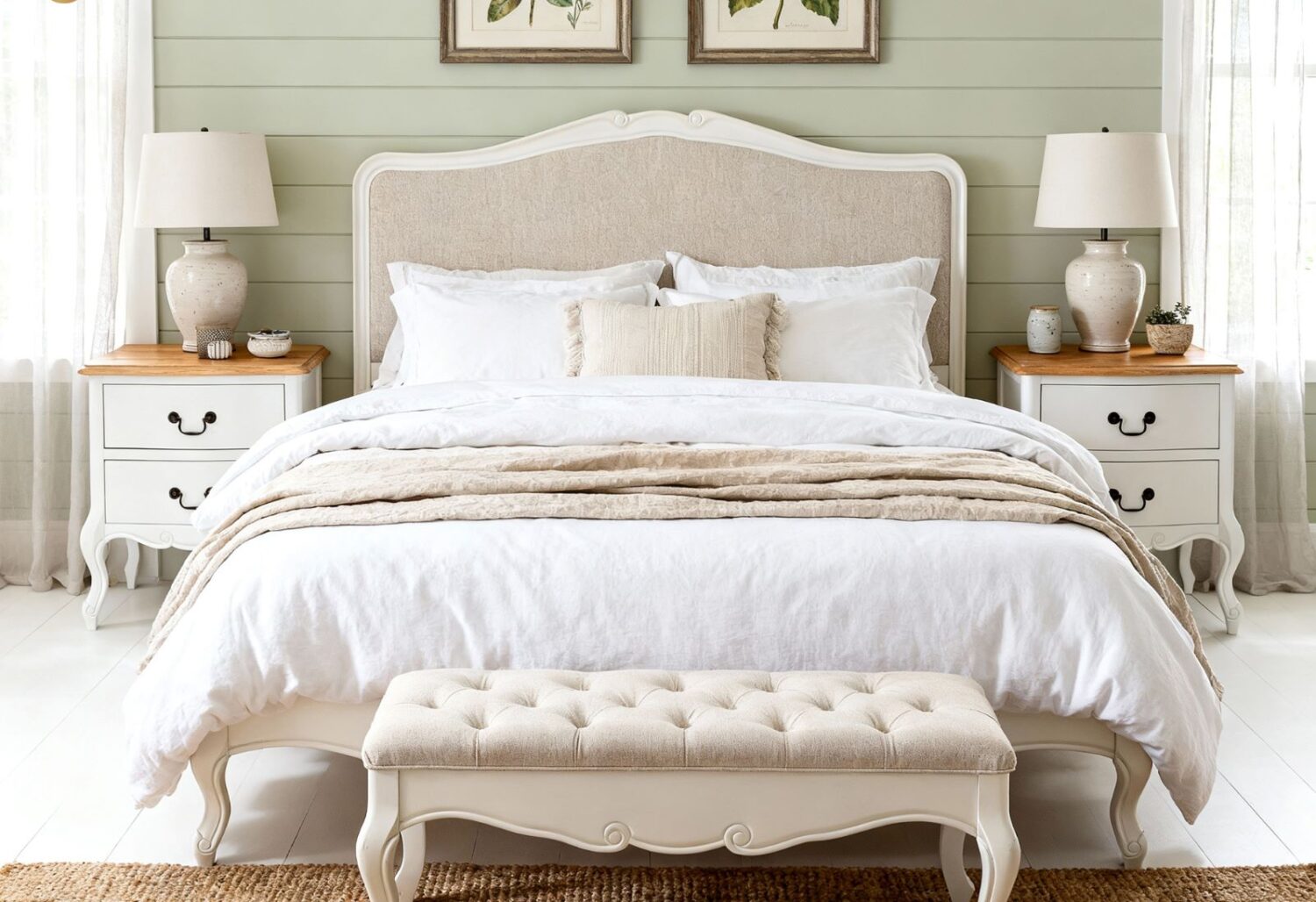

A new brand. More than a decade in the making. A look at why Cedora chose to skip the showroom and ship from a Sydney warehouse instead.
The realisation that started it
When the team behind Cedora moved to Australia, the local furniture market revealed itself in a way none of them had quite expected. The same kind of solid oak headboard the team had been making in Vietnam for export to other brands, in identical workshops to the ones they had been running for over a decade, was sitting on a high-street showroom floor at almost twice the price.
Nothing about the timber had changed between the workshop and the showroom. The grain was the same. The joinery was the same. What had changed was everything stacked on top: the rent on the showroom, the wages of the staff working the floor, the distributor’s cut, and the wholesaler’s cut underneath that.
So they did the thing a lot of suppliers think about but very few actually do. They started their own brand. Direct to customer. Same timber. Same workshops. None of the markup in the middle.
A decade of timber craft, finally under one name
Cedora is new as a brand. The people behind it are not. The founders spent more than ten years running furniture manufacturing in Vietnam, supplying international labels and exporting pieces that ended up in homes across Europe, Asia, and North America. The work was good. The recognition lived elsewhere.
Three years into thinking about it seriously, the team decided to keep the workshops and lose the white-labelling. The factories that had been making for someone else’s catalogue would now make under their own name, with a single market in focus, sold one room at a time to buyers who actually cared about how furniture was built.
That market is Australia. The factories are the same Vietnamese workshops they have run for the last decade. The pieces are the same standard the team built their reputation on, minus the layers of margin that used to sit between the workshop floor and the bedroom they ended up in.
“We’re not trying to be the biggest furniture brand in Australia. We’re trying to be the one you trust most.”
What gets done by hand, and what does not
Honesty about craft is one of the first things to disappear when a brand gets big. Cedora has taken the opposite line. Not every step of building a bed frame is done by hand, and pretending otherwise would be a lie the team is not willing to tell. The cuts are clean and the joinery is precise because the right machinery does what machinery does well, the way it has in serious workshops for the last fifty years.
But the steps that matter are still done by people. Joints are fitted by eye, the way a cabinetmaker decides whether the grain on a panelled headboard lines up the way it should. Surfaces are sanded by feel, finished only when the palm stops catching on the timber. Each piece is inspected, signed off, and inspected again before it leaves the floor. Every detail looked at twice.
Over a decade of supplying international furniture labels sits quietly behind every Cedora piece. That experience is what makes the price possible without dropping the standard that earned the team that work in the first place.
Where the savings actually come from
Traditional furniture retail carries a lot of overhead before a buyer ever reaches the door. Showroom leases in the most expensive shopping streets in the country. Distributor margins on top of factory cost. Wholesale markups on top of that. Floor staff on commission. The buyer pays for every line of it, whether they leave with the piece or not.
Cedora skipped the whole layer on purpose. Pieces are built in the same workshops the team has run for years, shipped to a warehouse in Sydney, and delivered straight to the buyer’s door. The price tag reflects the timber and the craft, not the rent on a row of buildings between the factory and the bedroom.
Delivery is free to Sydney and Melbourne metro, with national delivery from a flat threshold above. No surprise fees waiting at checkout. Returns sit inside a 30-day change-of-mind window, with collection arranged by the team if a piece does not work in the space it was bought for.
Why the showroom became optional
Most furniture in Australia is now bought without the buyer ever standing next to it first. The phone in their pocket already does most of what the showroom used to do, and Cedora’s product pages are built around that fact rather than against it.
Every product page carries a 3D viewer that rotates and zooms into the joinery, the proportions, and the finish. The same inspection a buyer would do walking around a bed frame in a showroom, except slower, without a salesperson hovering, and at three in the morning if that is when the decision actually happens. Augmented reality places the piece in the room through a phone camera, at real scale, so the question of whether a king bed clears the wardrobe stops being a guess.
For people who want the full room context before drilling into individual pieces, a virtual showroom walks through styled Cedora room sets, room by room, open at any hour. By the time a buyer adds anything to a cart, they have already seen the piece in the space it is going to live in.
Six collections, organised by timber and feel
The product line is grouped into six named collections. Each one is tied to a specific timber and a specific style direction, so the buying decision starts with which world the room is going to live in, not which SKU to click first.
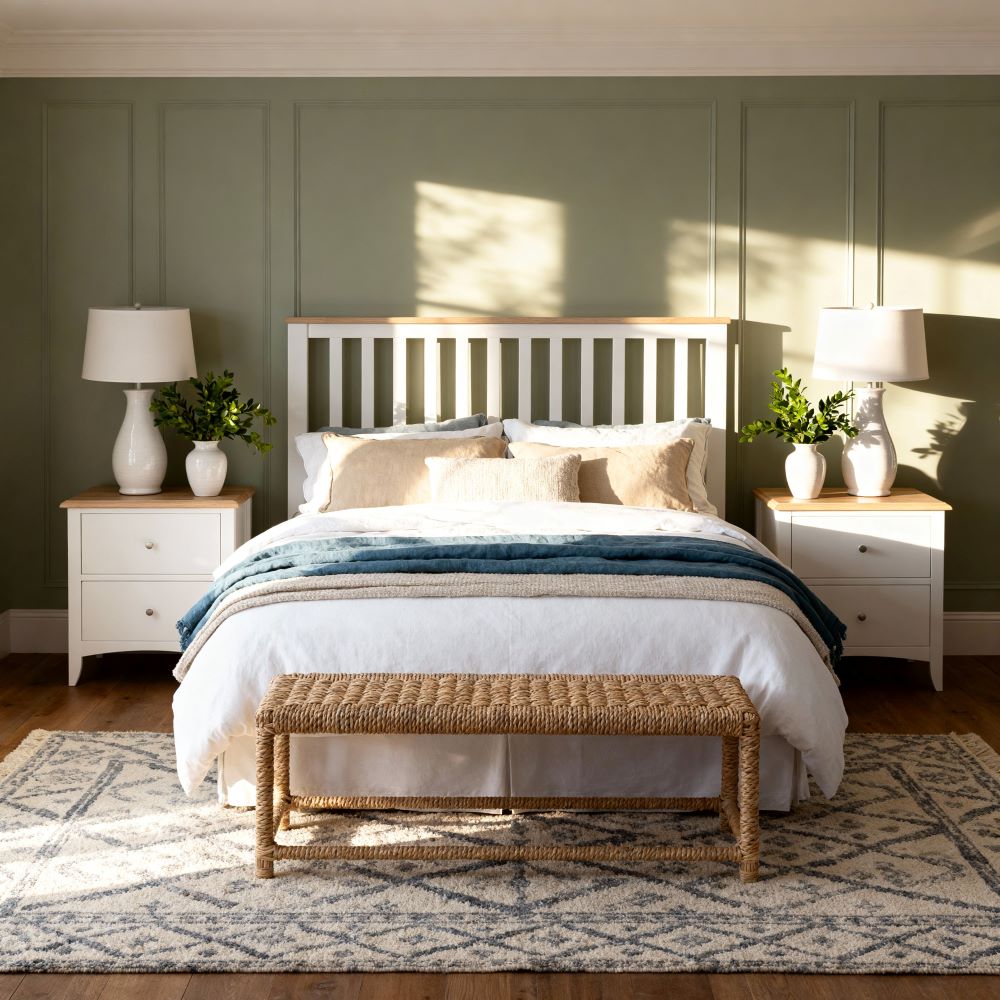
Bristol – solid oak, Scandinavian silhouette
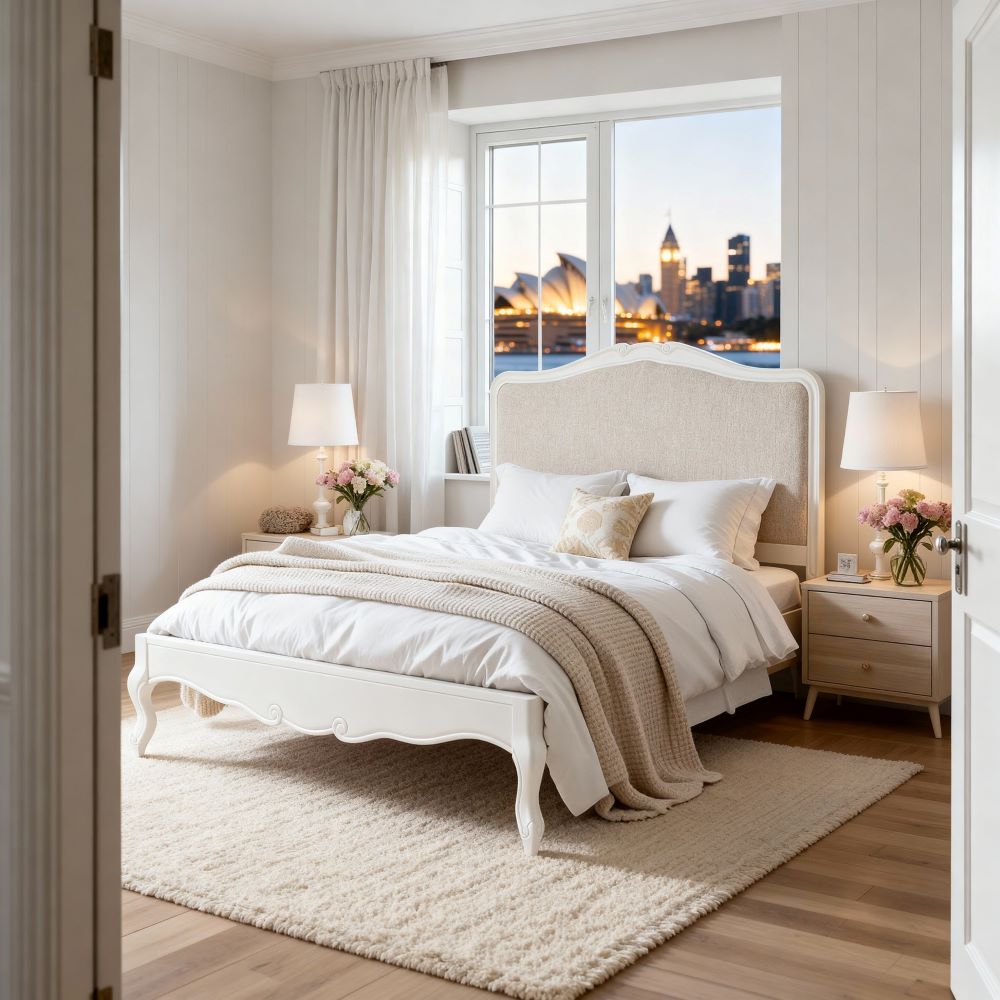
Newcastle – coastal Hamptons oak
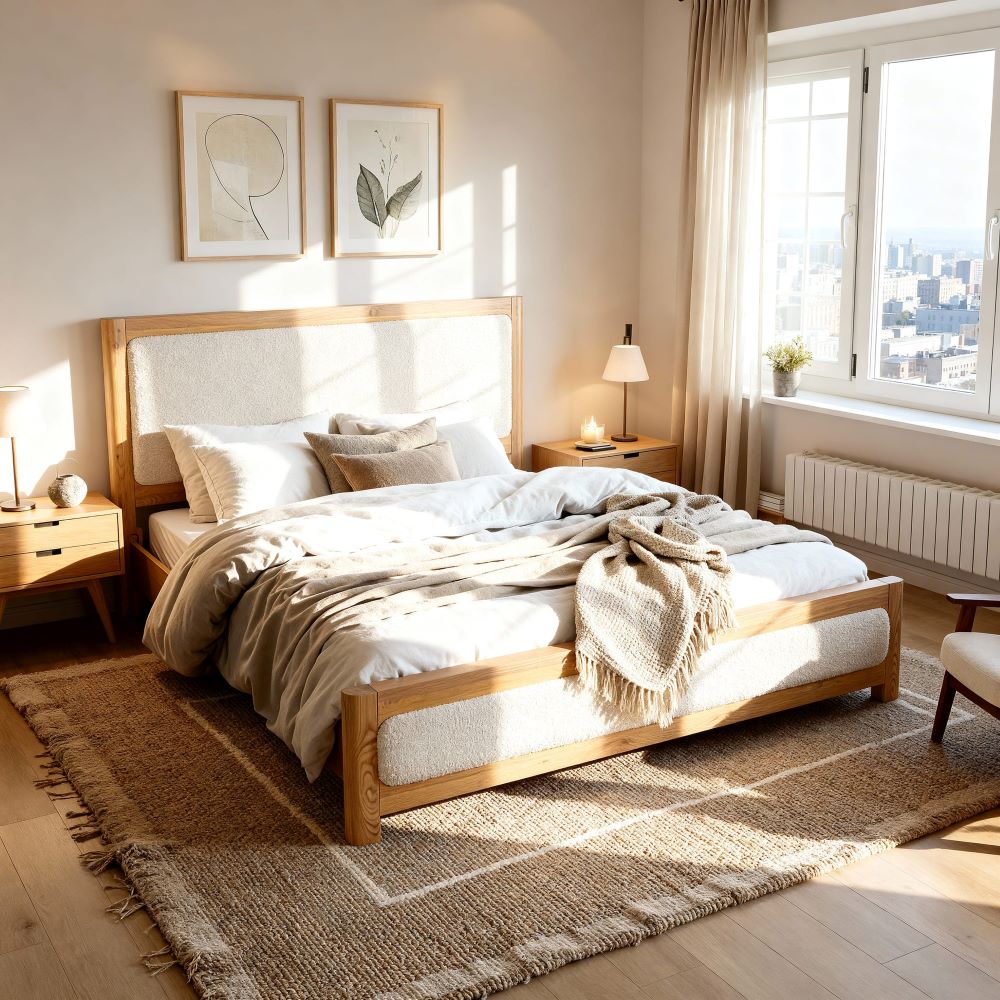 Liverpool – solid pine, rustic character
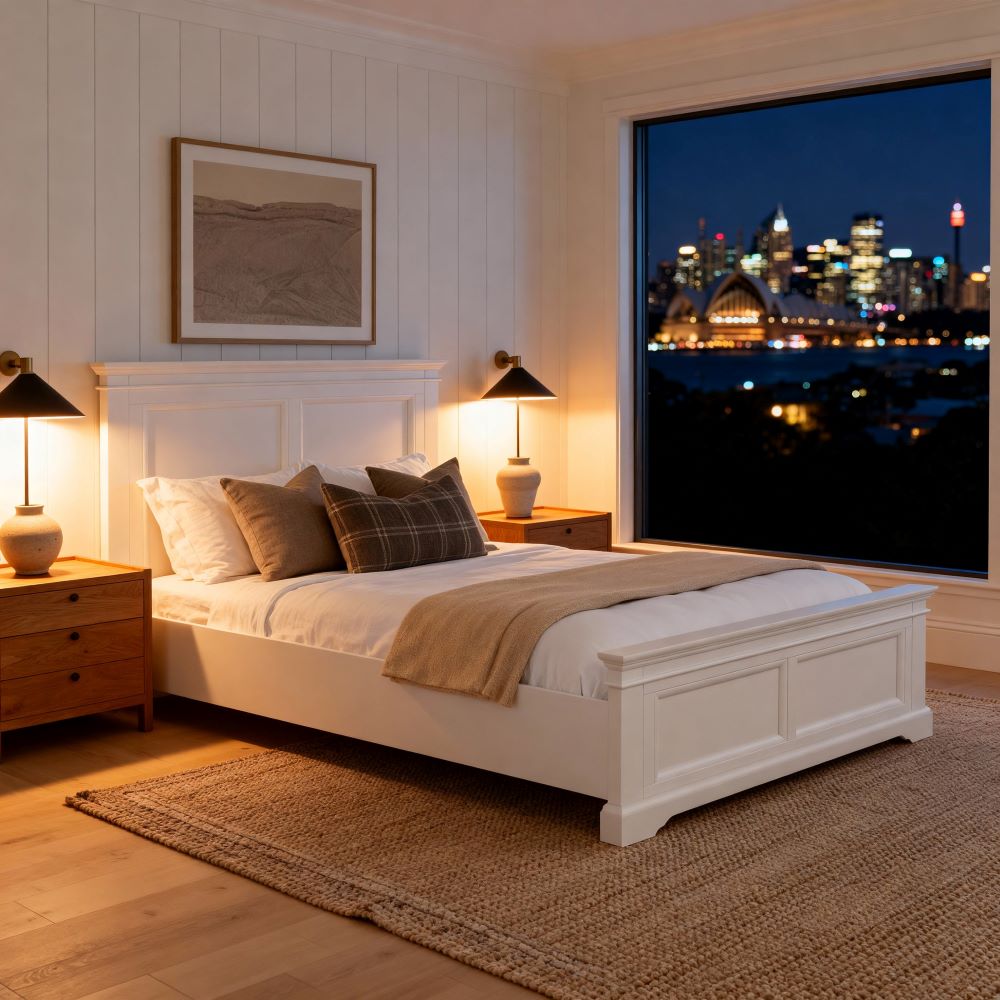
London – white painted timber, minimalist profile
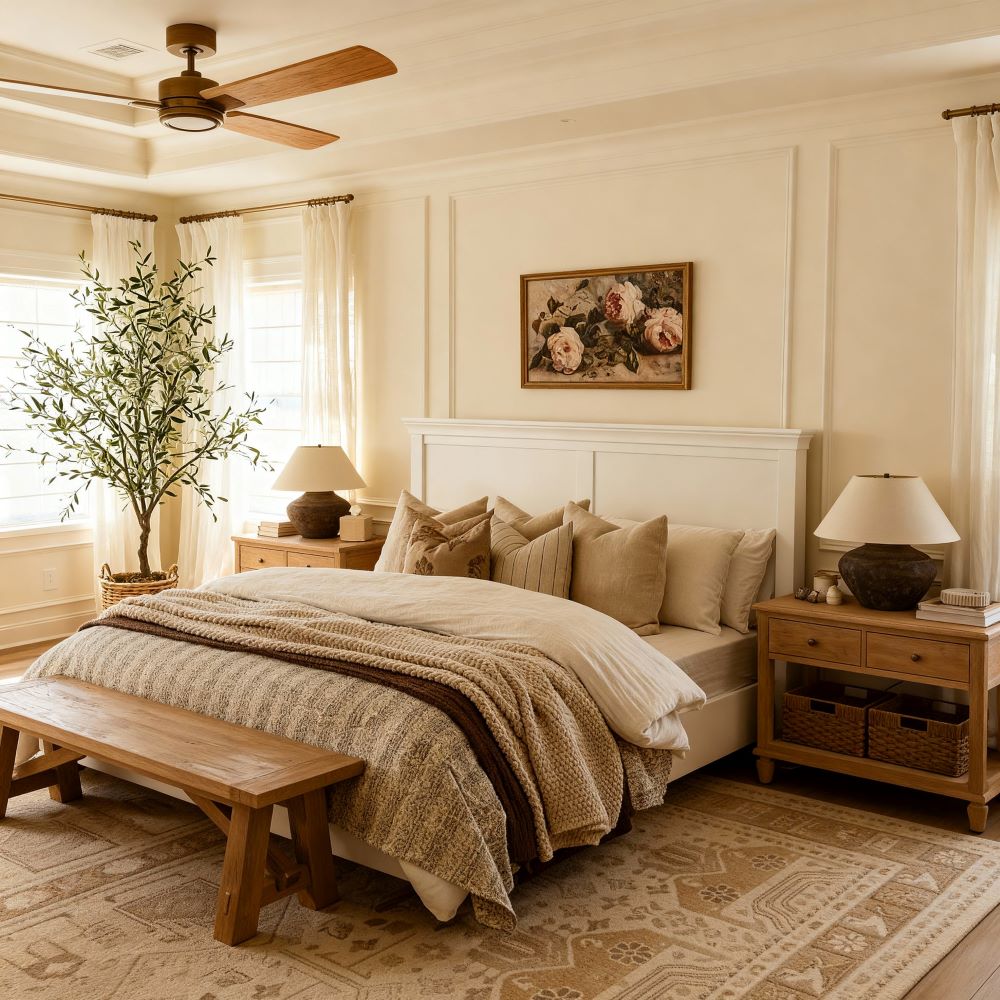 Manchester – white painted timber, softer lines
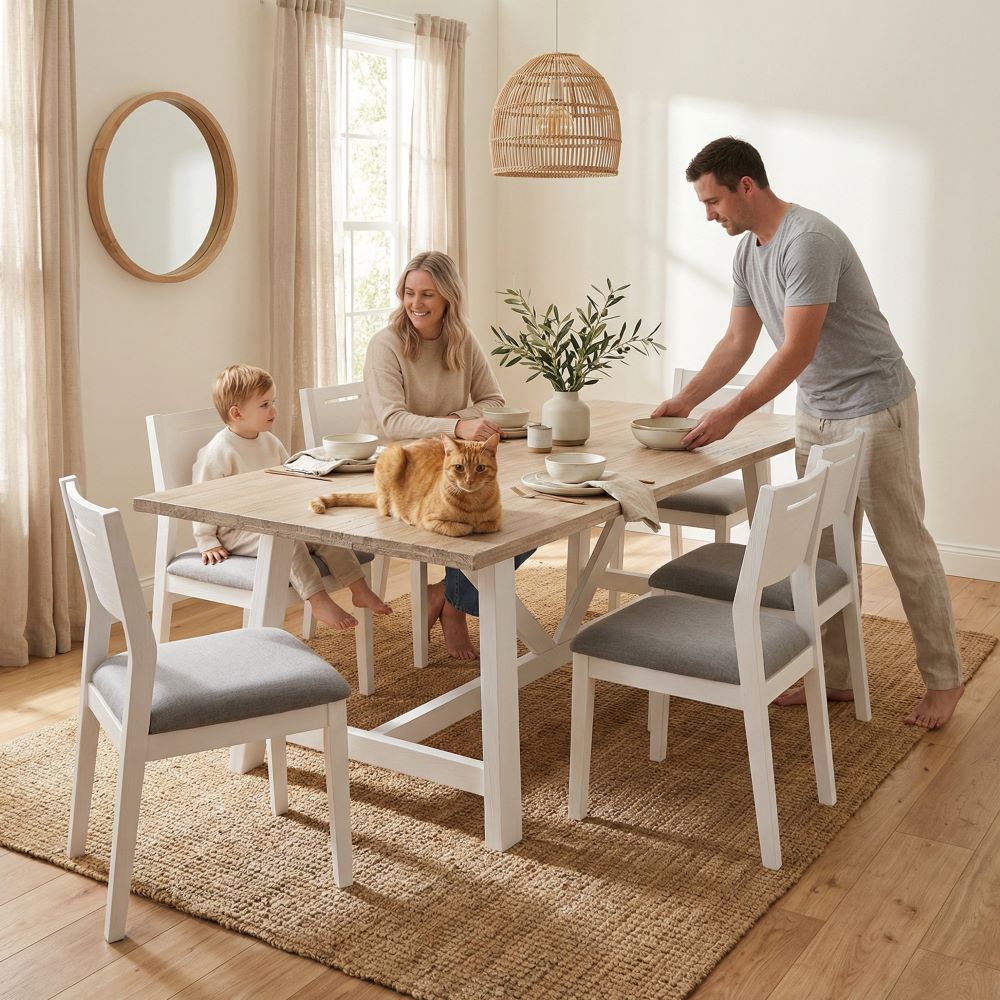
Oxford – acacia timber, tropical grain
If the bedroom is the natural starting point for most buyers, the bed frame collection draws on every range above, in double, queen, and king sizes. From there, the same timber language carries through into the rest of the home.
The promise behind the brand
Cedora is a registered trademark of Agene Pty Ltd, an Australian-incorporated company. Every order operates under Australian Consumer Law, with clear pricing, honest product descriptions, and no runaround when something does need sorting out.
The promise behind the brand is short on words and long on practice. Be honest about what the furniture is made from. Be clear on delivery and returns before the order is placed, not after. Stand behind every piece sold, after the sale, not just before it. The buyer who reads this far and decides to give Cedora a look is the buyer the team built the brand for in the first place.
You Might Also Like


