

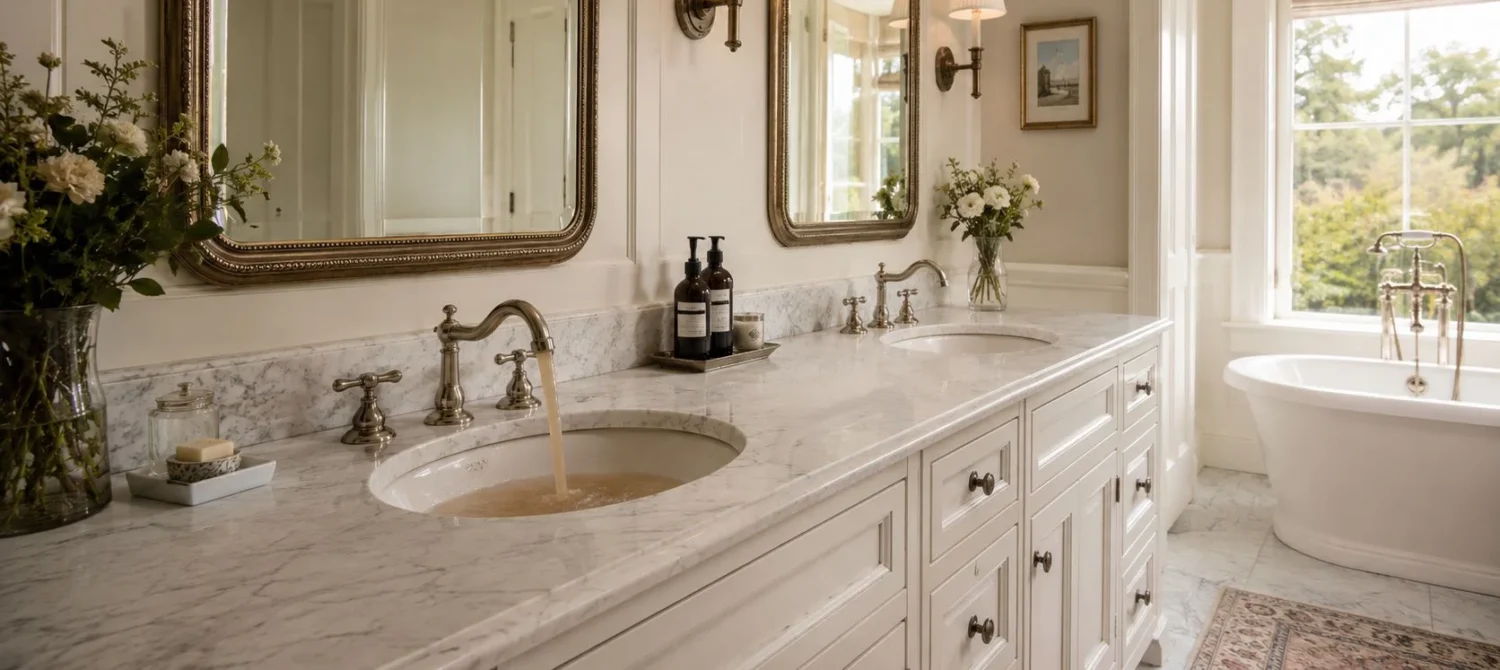

Rusty or discoloured hot water can be a shock.
You turn on the tap and expect clear water. Instead, it looks brown, yellow, cloudy, or has small dark bits in it.
It may only happen for a few seconds. Or it may keep coming back.
Many homeowners are not sure what it means. Is the water safe? Is it the pipes? Is it the hot water system?
The answer depends on where the colour is coming from. Sometimes the cause is minor. Other times, it can be a sign that something inside the system is wearing out.
Check the Hot and Cold Water First
A simple first step is to compare the hot and cold water.
Turn on the cold tap and look at the water. Then turn on the hot tap and check again.
If both hot and cold water look discoloured, the issue may be with the wider plumbing or water supply.
If only the hot water looks rusty or cloudy, the problem may be linked to the hot water system, hot water pipes, or parts connected to the unit.
This quick check can help you understand where the issue may be starting.
What Different Water Colours May Mean
Water can change colour for different reasons.
Brown or rusty hot water may point to rust inside the tank, fittings, or pipework. This can happen as parts get older.
Yellow water may also be linked to rust, sediment, or older pipes.
Cloudy or milky water can sometimes be caused by air in the water. It may clear after sitting in a glass for a short time. If it keeps happening, it is worth checking.
Small dark particles may come from sediment, worn parts, or build-up inside the system.
These signs do not always mean the hot water unit has failed. But they should not be ignored if they return.
Why Rust Can Be a Warning Sign
Rust-coloured hot water can be a sign of corrosion.
Corrosion is when metal starts to break down over time. In a hot water system, this may happen inside the tank or around certain fittings.
At first, it may only show as a small change in water colour. Later, it may lead to leaks, weak parts, or a system that no longer works as it should.
This is why rusty hot water matters. It can be an early sign that something is changing inside the system.
Sediment Can Build Up Over Time
Sediment is made up of small particles that can settle inside a hot water system.
Over time, this build-up can affect how the system works. It may change the colour of the water. It may also affect water flow, heating, or noise.
Some homeowners may notice:
– Water that looks dirty at first
– Hot water that takes longer to heat
– Rumbling or popping sounds from the unit
– Lower hot water pressure
– Small bits in the water
Older systems may be more likely to show these signs. The issue may build slowly, so it can be easy to miss at first.
Why Central Coast Homes Should Pay Attention
Hot water systems work hard every day.
In many Central Coast homes, hot water units are installed outside or in areas exposed to weather. Over time, sun, rain, moisture, and coastal air can add wear to outdoor units and fittings.
Some homes may also have older plumbing. Others may have had bathrooms, kitchens, or laundries changed over the years. This can leave a mix of old and new pipes.
That does not mean every colour change is serious. But it does mean changes should be watched.
If the water keeps looking rusty, cloudy, or dirty, it is better to get it checked than to wait for a bigger problem.
What Homeowners Can Safely Check
There are a few safe checks you can do before calling for help.
You can:
– Compare the hot and cold water
– Check if the issue happens at one tap or every tap
– See if the colour clears after a short time
– Look around the hot water unit for leaks
– Check for rust marks near the system
– Notice any strange smells or sounds
– Watch for changes in pressure or temperature
Do not open the hot water unit. Do not remove covers. Do not try to repair gas, electrical, or pressure parts yourself.
A quick visual check is fine. Repairs should be left to a licensed professional.
When It Is Time to Get the System Checked
It may be time to get help if the colour keeps coming back, affects more than one tap, or appears only when using hot water.
It is also worth getting advice if the system is old, noisy, leaking, or giving weak hot water pressure.
A qualified technician can check whether the issue is linked to the hot water unit, valves, fittings, or pipework. They can also help work out whether the problem is simple or a sign of a larger issue.
If rusty or discoloured water keeps appearing, it may be time to speak with a local team that works with hot water systems Central Coast homeowners rely on.
Getting help early can reduce stress and guesswork.
Do Not Wait for It to Get Worse
Discoloured hot water is easy to dismiss.
You may think it is just a one-off. You may hope it clears by itself. Sometimes it does.
But if the colour keeps returning, there may be a reason.
Rusty, brown, yellow, cloudy, or dirty-looking hot water can point to ageing parts, sediment, corrosion, old pipes, or a system that needs attention.
The best step is to notice the pattern. Check if it is only the hot water. Look for leaks, rust, noise, or pressure changes.
Then get the system checked if the issue continues.
Clear hot water is something every home relies on. When it changes, it is worth paying attention.
You Might Also Like


