

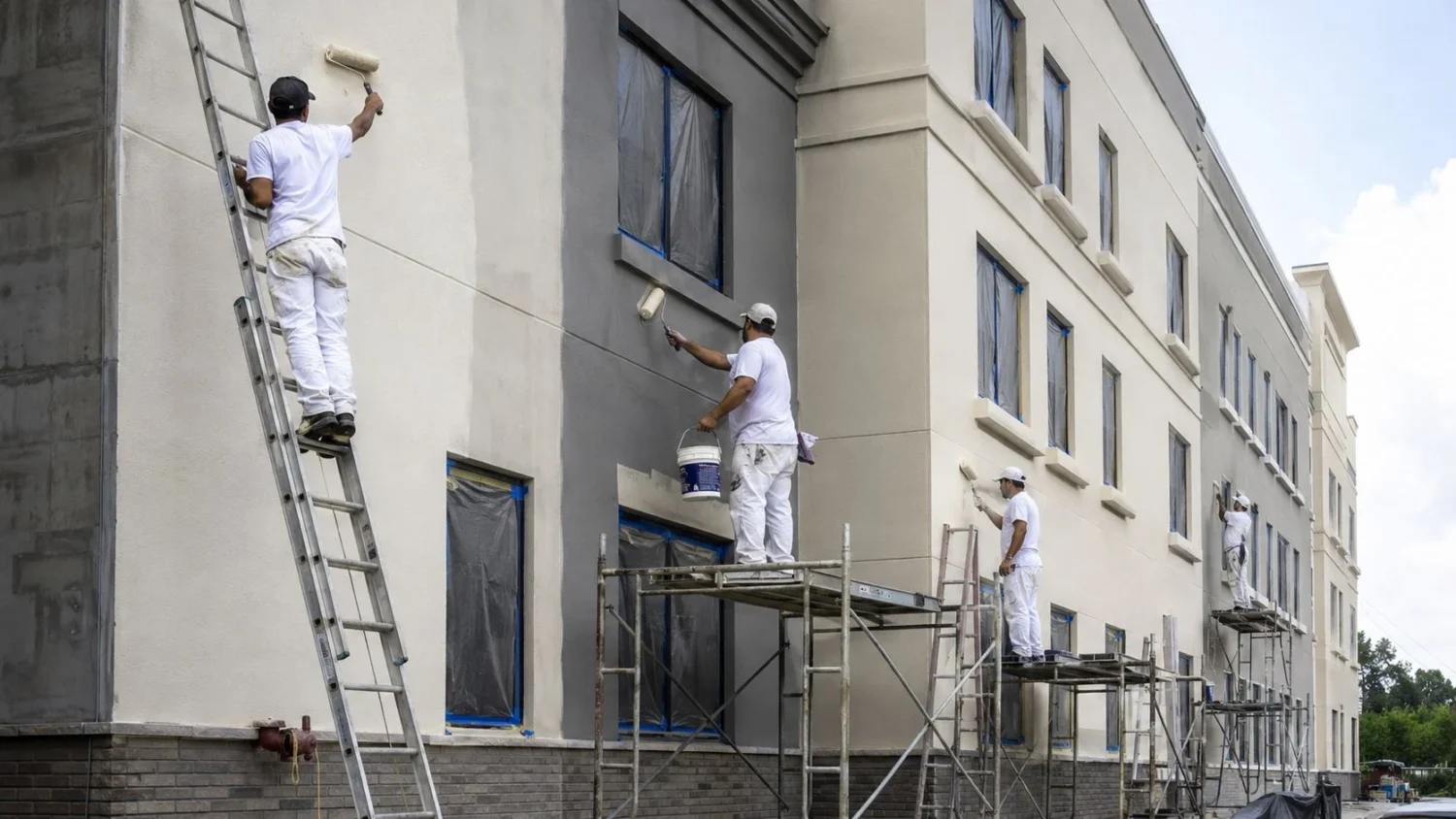

A fresh coat of paint can make a big difference to how a business looks and feels. It can lift a tired office, make a retail space more inviting, protect a building from weather damage and help customers form a better first impression before they even walk through the door.
But commercial painting is not the same across every part of a property. Interior and exterior painting have different goals, preparation requirements, products and timelines. If you are comparing commercial painters for a Perth business, it helps to understand what each type of job involves so you can plan properly and avoid unnecessary disruption.
Whether you manage an office, warehouse, shopfront, medical centre, school, strata property or hospitality venue, here is what to know before booking interior or exterior commercial painting.
Interior Commercial Painting Is About Presentation and Practicality
Interior painting plays a major role in how people experience your business. The colours, finish and condition of your walls can influence how professional, clean and welcoming the space feels.
In an office, fresh paint can make the workplace feel brighter and more productive. In a retail store, it can support your brand and help products stand out. In a medical or professional setting, it can create a cleaner, calmer and more trustworthy environment.
Interior commercial painting is often focused on areas such as reception spaces, meeting rooms, hallways, staff areas, stairwells, bathrooms, classrooms, tenancy fit-outs and internal walls in high-traffic areas.
Because these spaces are used every day, planning is important. A good painter should work around your business where possible, helping reduce downtime and keeping disruption to a minimum.
Exterior Commercial Painting Protects the Building
Exterior painting is not just about appearance. In Perth, exterior surfaces are exposed to strong sun, heat, rain, wind, dust and coastal conditions in some areas. Over time, paint can fade, crack, peel or break down, leaving the building looking tired and less protected.
A quality exterior paint system helps protect walls, trims, doors, fascia, cladding, rendered surfaces and other building materials from the elements. This can help extend the life of the surface and reduce the risk of more costly repairs later.
For customer-facing businesses, exterior paint also affects street appeal. A faded or peeling building can make the business look neglected, even if the service inside is excellent. A clean, well-maintained exterior sends a stronger message before a customer has even made contact.
Preparation Is Different for Each Job
Good painting starts long before the first coat goes on. Preparation is one of the biggest differences between interior and exterior commercial painting.
Interior preparation may include patching dents, sanding rough areas, filling cracks, protecting flooring and furniture, washing walls, removing flaking paint and priming surfaces where needed. In busy commercial spaces, it may also involve moving equipment, masking fixtures and working carefully around staff or customers.
Exterior preparation is often more demanding. It may involve pressure cleaning, scraping loose paint, repairing cracks, treating mould or mildew, sanding weathered surfaces, priming bare areas and checking for damaged render, timber or metalwork.
Skipping preparation can lead to poor adhesion, uneven finishes and paint failure. When choosing commercial painters, it is worth asking how they prepare surfaces, not just what paint they use.
Paint Choice Matters
Interior and exterior paints are designed for different conditions.
Interior paints are usually chosen for washability, low odour, durability and finish. In offices and public areas, low-VOC options may be preferred to reduce fumes and allow the space to be used sooner. High-traffic areas may need tougher coatings that can handle scuffs, cleaning and regular contact.
Exterior paints need to withstand harsh conditions. They must cope with UV exposure, temperature changes, moisture and surface movement. In Perth, UV resistance is especially important because the sun can quickly fade poor-quality coatings.
Different surfaces also need different products. Render, brick, concrete, timber, metal, plasterboard and cladding may all require specific primers or paint systems. A professional painter should recommend products based on the surface, location and expected wear.
Timing and Access Need Careful Planning
Interior painting often needs to be scheduled around business operations. For some workplaces, this may mean after-hours work, weekend painting or staged sections so staff can continue using the space.
Retail stores, restaurants and medical practices may need careful planning to avoid disrupting customers. Offices may prefer painting outside normal hours or during quieter periods.
Exterior painting has different timing challenges. Weather plays a bigger role, as rain, extreme heat or strong winds can affect the quality of the finish. Access may also be more complex, especially for multi-storey buildings, large warehouses, strata complexes or properties with limited space around the building.
Scaffolding, elevated work platforms or safety equipment may be required. This should be discussed early so the quote and timeline are realistic.
Safety Is a Major Consideration
Commercial painting comes with safety responsibilities, particularly when working at height, around staff, near customers or in active worksites.
Interior painting may require safe handling of equipment, proper ventilation, clear signage and careful management of wet paint areas. Exterior painting may involve ladders, scaffolding, harnesses, elevated platforms and traffic or pedestrian management.
A professional commercial painter should have appropriate insurance, safe work procedures and experience working in business environments. This is especially important for schools, aged care facilities, medical centres, industrial sites and multi-level properties.
Which Should You Prioritise First?
If both the inside and outside of your property need attention, deciding where to start depends on your business goals.
If customers regularly visit your premises, the exterior may be the first priority because it affects the first impression. A shopfront, office façade or hospitality venue needs to look clean and well maintained from the street.
If your staff work in an outdated or marked interior every day, internal painting may have a more immediate impact on morale, presentation and usability.
For leased premises, it may also depend on make-good requirements, lease conditions or upcoming inspections. For owner-occupied properties, exterior protection may be more urgent if paint is failing and surfaces are exposed.
A good painter can inspect the property and help identify which areas need attention first.
Interior and Exterior Painting Can Work Together
In some cases, it makes sense to plan interior and exterior painting together. This can create a more consistent look across the property and may be more efficient than arranging separate jobs months apart.
For example, a business rebrand may require new interior colours, updated exterior signage areas and a refreshed façade. A strata complex may need common internal areas painted along with external walls. A commercial property preparing for sale or lease may benefit from a full refresh to improve presentation.
Even if the work is staged, having a broader plan can help colours, finishes and timing work together.
Making the Right Choice for Your Perth Business
Interior and exterior commercial painting both play important roles, but they solve different problems. Interior painting improves the look, feel and function of the spaces people use every day. Exterior painting protects the building, improves street appeal and helps maintain a professional image.
If you are looking for commercial painters Perth, choose a team that understands Perth conditions, commercial timelines and the importance of keeping your business running smoothly. The right painter should not just apply paint. They should help you plan the job properly, choose suitable products and deliver a finish that looks good and lasts.
A well-painted commercial property can feel cleaner, sharper and more professional. Whether you start inside, outside or both, the right approach can make your business look more cared for and more welcoming to customers, staff and visitors.
You Might Also Like


