
Custom homes bring flexibility, personality, long-term value, plus stronger investment potential. However, bespoke builds also create insurance challenges many property owners underestimate until problems arise.
Standard cover rarely suits architect-designed residences, luxury inclusions, split-level layouts, premium finishes, or investment-focused builds. During recent years, rising construction costs across Australia pushed rebuild expenses far beyond expectations. Many owners discovered policies no longer reflected real replacement values.
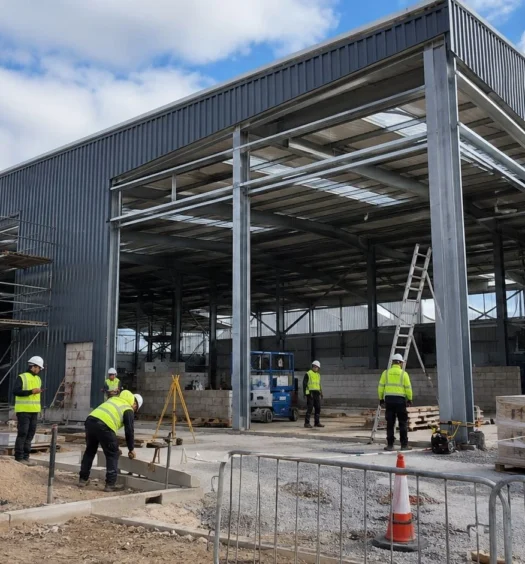
Construction phases create another layer of risk. Storm damage, material theft, builder insolvency, vacant property exclusions, plus delayed projects can leave owners exposed financially.
After working through custom residential projects, we’ve seen one common issue repeatedly surface. Property owners assume builders, lenders, or standard insurers cover every scenario automatically. Unfortunately, gaps often appear during claims rather than policy setup.
This guide explains how insurance works before construction begins, throughout building stages, plus after tenants move into completed homes.
What Makes Insurance for Custom Homes Different?
Project homes usually follow predictable designs, materials, labour costs, plus timelines. Custom properties rarely fit that mould.
Architectural features, imported finishes, specialist trades, plus unique engineering requirements increase rebuilding complexity considerably. As a result, insurers often assess custom residences differently from standard suburban builds.
Several factors raise risk profiles:
– Bespoke joinery
– Designer kitchens
– Curved staircases
– Stone wall cladding
– Smart-home automation
– Solar battery systems
– Luxury landscaping
– Custom glazing
– Home theatres
– Wine cellars
Replacement costs also surprise many owners. Market value rarely reflects rebuild expenses accurately. Land value, council restrictions, demolition costs, compliance upgrades, plus specialist labour can push reconstruction budgets significantly higher.
Underinsurance becomes especially dangerous during major weather events when construction demand spikes statewide.
Main Types of Insurance for Custom Homes
Understanding different policy categories helps avoid costly overlaps or dangerous gaps.
Home Building Insurance
Building insurance protects physical structures against events such as:
– Fire
– Storm damage
– Flooding
– Impact damage
– Vandalism
– Water ingress
Coverage generally includes permanent fixtures like kitchens, roofing, bathrooms, flooring, built-in cabinetry, plus garages.
Custom homes require accurate replacement valuations because premium finishes dramatically increase rebuild expenses. Granite benchtops, imported timber flooring, or architectural windows cost far more than standard alternatives.
Many owners focus on market value instead of rebuild cost. That mistake regularly leads to insufficient coverage.
Landlord Insurance
Investment-focused custom homes require broader protection than owner-occupied properties.
Landlord insurance commonly covers:
– Tenant damage
– Malicious acts
– Loss of rental income
– Legal liability
– Rent default
– Contents supplied within furnished rentals
Luxury investment homes often contain expensive appliances, integrated technology, premium flooring, plus custom fixtures. Standard landlord policies may impose limits unsuitable for higher-value inclusions.
Renting out your property creates additional complications, especially for holiday rentals. Short-term accommodation increases wear, accidental damage exposure, plus occupancy turnover risk. Some insurers exclude Airbnb-style leasing entirely unless disclosed beforehand. Check out the landlord insurance guide for more information.
Contract Works Insurance
Construction stages expose partially completed homes to serious financial risks.
Contract works insurance generally protects against:
– Storm damage
– Theft of materials
– Site vandalism
– Fire
– Structural collapse
– Accidental damage during construction
Builders commonly arrange cover, although owners should never assume responsibilities automatically transfer under every contract.
Before signing agreements, review:
– who holds coverage,
– policy limits,
– exclusions,
– excess amounts,
– plus responsibility periods carefully.
Several disputes emerge after owners incorrectly assume builder policies protect every scenario.
Home Warranty Insurance
Australian regulations require builders to hold home warranty insurance across most residential projects above minimum thresholds.
Protection generally applies if builders:
– disappear,
– die,
– become insolvent,
– or fail to rectify major defects.
Requirements differ between states, so owners should verify local obligations before work begins.
Insurance Before Construction Begins
Preparation stages often determine whether future claims proceed smoothly.
Before excavation starts, owners should:
– review building contracts carefully,
– confirm insurance certificates,
– verify builder licences,
– understand policy exclusions,
– plus clarify responsibility timelines.
Lenders may also require evidence of coverage before approving finance drawdowns.
Vacant land creates overlooked risks too. Unsecured sites may attract trespassing, illegal dumping, vandalism, or fire hazards before construction even starts.
Another important consideration involves neighbouring properties. Excavation damage, retaining wall movement, or drainage issues can trigger expensive disputes without appropriate liability protection.
Insurance During Construction
Construction periods carry higher exposure than most owners expect.
Open structures remain vulnerable to weather intrusion, theft, accidental damage, plus incomplete waterproofing.
Theft and Vandalism Risks
Building sites attract opportunistic theft regularly across Australian suburbs.
Common targets include:
– Copper piping
– Appliances
– Timber
– Power tools
– Electrical cabling
– Solar equipment
Partially completed homes also face vandalism risks because vacant structures lack daily occupancy.
Security measures can reduce premiums in some cases. Temporary fencing, monitored cameras, lighting, plus lockable storage often improve insurer confidence.
Weather and Natural Disaster Risks
Australian conditions create major exposure during construction phases.
Storms regularly damage:
– Roof framing
– Unsealed interiors
– Flooring materials
– External cladding
– Temporary coverings
Bushfire-prone regions face additional scrutiny from insurers, particularly across rural New South Wales, Victoria, plus South Australia.
Flood exposure presents another growing challenge. Some insurers impose strict conditions within high-risk postcodes.
Builder Insolvency Risks
Construction company failures increased noticeably during recent years due to labour shortages, material inflation, plus fixed-price contract pressures.
Builder insolvency can leave owners facing:
– incomplete projects,
– uninsured damage,
– delayed timelines,
– legal disputes,
– plus unexpected holding costs.
Home warranty insurance may provide protection under qualifying circumstances, although payout processes can become lengthy.
Transitioning to Home Insurance After Completion
Completion stages require policy updates immediately after handover.
Once occupancy certificates arrive, owners should transition from construction cover to standard home insurance without delay.
Review every insured structure carefully, including:
– Pools
– Landscaping
– Detached studios
– Solar systems
Retaining walls
– Outdoor kitchens
– Smart-home infrastructure
Many claims become complicated because policy schedules omit expensive external features.
Updated valuations also matter. Material costs continue shifting rapidly throughout Australia, especially across custom construction sectors.
Annual reviews help maintain adequate protection levels.
Landlord Insurance for Custom-Built Investment Properties
Custom investment homes combine higher asset values with elevated tenant-related risks.
Premium finishes often increase repair costs substantially following accidental or malicious damage. Replacing custom cabinetry or imported fittings rarely happens quickly or cheaply.
Tenant protection becomes especially important for:
– furnished executive rentals,
– luxury coastal properties,
– architect-designed residences,
– plus high-income leasing markets.
Loss of rental income cover also deserves close attention. Severe storm damage, flooding, or fire can leave properties uninhabitable for extended periods.
Several investors overlook vacancy conditions hidden within policy wording. Some insurers reduce protection after homes remain unoccupied beyond specified periods.
Short-term rental arrangements require even greater scrutiny. Frequent guest turnover increases exposure considerably compared with long-term leasing.
Common Insurance Mistakes Custom Home Owners Make
Several issues appear repeatedly across custom residential projects.
Underinsuring Rebuild Costs
Many owners insure properties based on purchase price rather than reconstruction expenses.
Rebuild budgets should include:
– demolition,
– debris removal,
– professional fees,
– engineering,
– compliance upgrades,
– plus premium material replacement.
Assuming Builders Cover Everything
Builder policies rarely protect every owner-related risk automatically.
Never rely on assumptions. Confirm responsibilities in writing before construction begins.
Ignoring Policy Exclusions
Flood limitations, vacancy conditions, landscaping caps, plus short-term rental exclusions regularly surprise policyholders during claims.
Reading policy wording thoroughly remains essential.
Forgetting Policy Updates
Upgrades completed after original policy setup can create dangerous gaps.
New solar systems, pools, detached studios, plus landscaping improvements should trigger immediate reviews.
How to Choose Suitable Coverage
Finding appropriate protection involves more than comparing premiums.
Before selecting policies, ask insurers:
– Are bushfires included?
– Does flood cover apply?
– What vacancy limits exist?
– Are short-term rentals covered?
– Do policies include accidental damage?
– Will premium fixtures receive full replacement value?
– Are landscaping features protected?
– Does rental income protection apply automatically?
Owners should also confirm whether insurers use specialist assessors familiar with architect-designed properties.
Custom homes often require unique materials unavailable locally. Claims involving imported finishes or discontinued products can become complicated quickly without appropriate valuation support.
Final Thoughts
Custom homes represent major financial commitments plus deeply personal investments. Insurance should reflect that reality properly.
Strong protection starts long before construction begins. Careful planning, accurate rebuild valuations, regular policy reviews, plus clear understanding of exclusions reduce financial exposure significantly.
After seeing how quickly unexpected events disrupt projects, one lesson stands out consistently. Comprehensive cover costs far less than rebuilding uninsured losses later.
Whether building dream residences or investment-focused custom properties, owners should review policies carefully, compare insurers thoroughly, plus seek professional advice whenever uncertainty arises.
You Might Also Like