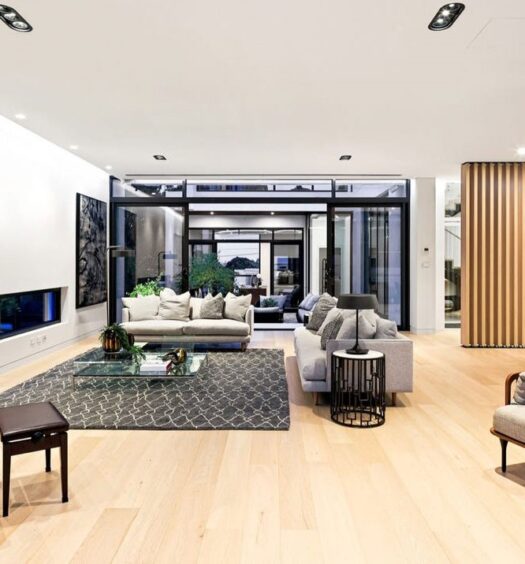
Choosing furniture through the images only poses challenges to understanding what aspects can be identified through the image, such as the effect of the light on the colour of the furniture and if the dimensions match the room size. The products in the pictures are captured in a controlled lighting environment and have been edited for uniformity of colours and finishes, whereas screen lighting affects the judging of colours. The implication of this is that there will be differences in the finish, texture, and colour when the furniture is delivered to your place.
Premium furniture lovers get an opportunity to visit the Sydney showroom for inspecting the craftsmanship of furniture, the texture of fabric used and comparing various furniture collections. There is much to gain from homeowners who intend to buy furniture by visiting a showroom.
1. Assessing Comfort and Quality
Photos do not give an idea of the shape a cushion retains over time from daily use, nor will they give an insight into the strength of the joint of a wooden piece. Sitting on the sofa, opening the drawer and touching the finish allows you to assess details which can’t be found in any specification sheet. The soft-looking upholstery seen in the photos might be thin in reality, and “solid oak” might mean something else.
2. Colours and Fabrics Look Different in Person
Colours are always inconsistent on screens, and a warm oak or dark charcoal linen can completely change based on your monitor settings and lighting used in the photo of the product. Light from natural sources will reveal the true nature of the colour and materials, as well as how they alter throughout the day. This is an aspect that is easy to overlook online, particularly for accent pieces that dictate the entire interior theme.
3. Scale Is Hard to Picture From a Screen
The same dining table that seems proportionate in a stylised image could easily dominate a small Sydney flat. Seeing how it fits in relation to one’s own body and seeing its relation to other furniture in the vicinity helps one understand the size of the item in question. Making mistakes about the size of something is not unusual but expensive and inconvenient, and returns on oversized furniture are costly to arrange.
4. Showroom Personnel Could Prevent Costly Blunders
Experienced showroom personnel are trained to help people make exactly these sorts of decisions each day, and this expertise could be quite useful. They can point out situations where a certain fabric does not suit people who have pets, where some finishing requires more maintenance than was thought, or where something will not fit through a certain passage.
5. You See How Pieces Work Together, Not Just Alone
Pieces of furniture are seldom purchased in isolation; a showroom allows you to try combinations rather than guess at them. Positioning a sofa next to a coffee table or a dining chair in front of a table finish reveals whether the colours harmonise with each other in ways impossible to determine from mere thumbnails. Showrooms frequently organise their inventory into rooms for the very purpose of allowing customers to envision a finished product rather than separate pieces.
6. Delivery and Lead Times Become Clearer
Custom upholstery, imported timber pieces, and made-to-order furniture often carry lead times that aren’t obvious from a website listing. Speaking with staff face to face usually surfaces the real timeline, including whether a piece is in stock, on order, or built to spec after purchase. For anyone working to a moving date or a renovation deadline, that clarity changes the buying decision.
7. It’s Easier to Trust What You Can Touch
There’s a reason showrooms still matter in an online-first retail world: trust builds faster around something you’ve physically handled. Seeing and testing a piece before buying it generally makes for a more informed decision and a more confident one. That confidence rarely comes from a product description, no matter how detailed. It comes from the small, practical checks you make in person: how a zip runs, how a drawer closes, and whether a finish feels as good as it looks under showroom lighting.
Visiting a Showroom Is Time Well Spent
But all this doesn’t mean that online shopping doesn’t have any advantages, especially for minor products. For big furniture pieces which will stay in your house forever, the trip to the showroom will remain essential anyway. In other words, a showroom visit transforms your purchasing decision from guesswork into an experience-based one, and such an approach to the buying of something expensive and important is quite justified.