Why Water Quality Matters to Your Health
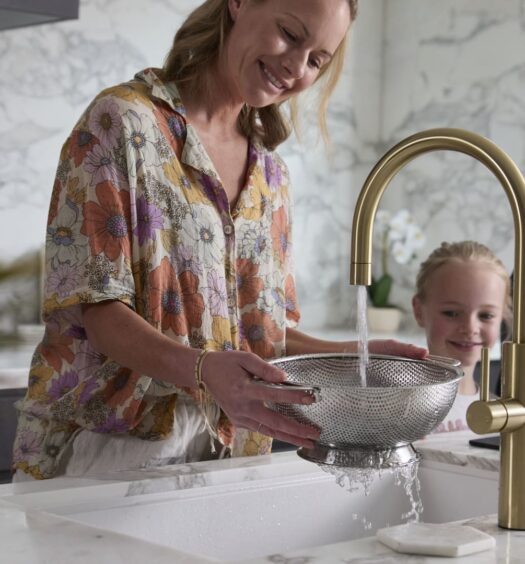
Water is one of the most basic foundations of good health, yet it is also one of the easiest things to take for granted. We drink it every day, cook with it, make tea and coffee with it, fill children’s bottles with it and serve it to guests, often without thinking too much about where it has come from or what it may have passed through before reaching the glass.
Yet, good hydration supports almost every part of how the body functions, from digestion and circulation to temperature regulation, concentration, energy and general wellbeing. For that reason, the quality of the water we consume every day deserves the same attention many people give to the food they eat, the air they breathe, the materials they bring into their homes and the products they use on their bodies.
This is why filtered water has become such a natural part of modern home design, particularly in homes where wellness is being considered alongside comfort, convenience and the way people live each day. For some households, filtration is about improving the taste of tap water, while for others it is about reducing odours, limiting chlorine, filling reusable bottles more easily or having boiling, chilled and sparkling water available straight from the tap without relying on kettles, jugs or bottled water.
In premium kitchens, a quality filtered water system now sits alongside good ventilation, quality appliances and well planned storage as part of a space that functions better for everyday life. Now as the conversation around health in the home becomes more informed, water quality is also moving beyond taste and convenience into a more detailed discussion about what may be present in the water we drink, including substances we cannot see, smell or taste.
What Are Microplastics?
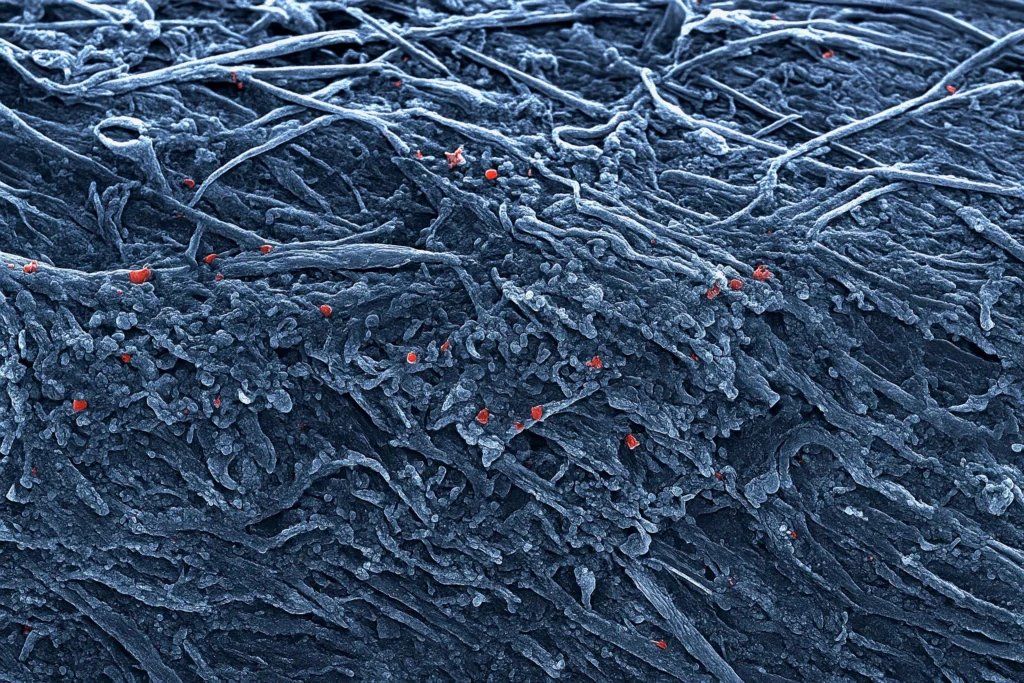
One of the newer issues drawing attention is microplastics. Many people have heard the term, but may not fully understand what microplastics are, where they come from or why they are being discussed in relation to drinking water. Food Standards Australia New Zealand describes microplastics as plastic particles generally smaller than about 5mm, which can come from the breakdown of larger plastic products, synthetic fibres, packaging and other plastic materials that gradually fragment over time.
The difficulty is that microplastics are not something we can see in a glass of water. Water can look clear, smell fine and taste fresh, while still raising questions about what may be present at a microscopic level.
How Microplastics May Affect the Body
The concern around microplastics is not simply that they exist in the environment, but that researchers are still learning what they may do once they enter the body. A 2022 study published in Environment International detected plastic particles in human blood and concluded that plastic particles are bioavailable for uptake into the human bloodstream, while other research has identified microplastics and nanoplastics in human tissue.
In 2024, a study published in the New England Journal of Medicine detected microplastics and nanoplastics in carotid artery plaque and found that patients whose plaque contained these particles had a higher risk of heart attack, stroke or death from any cause during 34 months of follow-up than those without detected particles. This does not prove that microplastics caused those outcomes, but it does add to the growing body of research asking how these particles may interact with the human body over time.
While researchers are still working to understand the full health impact of microplastics, the issue is becoming harder to dismiss now that studies have detected plastic particles in human blood and tissue, and are investigating possible links with inflammation, oxidative stress and cardiovascular risk. For homeowners, however, the question is no longer whether microplastics should be taken seriously, but how to reduce unnecessary exposure where practical, particularly when it comes to something consumed every day.
Research reviews have raised concerns about possible pathways including inflammation, oxidative stress, immune response, metabolic disruption and endocrine disruption. In everyday terms, scientists are looking at how microplastics may interact with the body’s cells, tissues, hormones and immune system over time. There is still more to learn, particularly around long-term exposure, but the presence of microplastics in the human body has made the issue much harder to dismiss as an environmental problem only.
Why Bottled Water Is Not the Simple Solution
For many people, the instinctive response to concerns about tap water is to buy bottled water. It can feel like the cleaner or more controlled option, particularly when the bottle is sealed, branded and sold as pure or natural. The problem is that bottled water is not the simple solution many people assume it to be, particularly when the concern itself relates to plastic.
An Australian study published in Science of the Total Environment tested 16 bottled water brands purchased from commercial outlets in Australia and found an average of 13 microplastic particles per litre. The study also found that imported bottled water contained around four times more microplastics than bottled water sourced in Australia. That research is important because it challenges one of the most common assumptions around drinking water. Bottled water may be convenient, but it is still packaged, transported, stored and consumed in a way that prolongs exposure to unknown contaminants. It also adds to household waste and creates the ongoing cycle of buying, storing and disposing of bottles, which is at odds with the sustainable, reduced-waste way of life many are striving for.
For homeowners, the point is not to panic, but to be better informed. If bottled water is not a guaranteed solution, and if a basic filter may not be designed for the contaminants people are now concerned about, then the quality, certification and performance of home filtration become far more important. Clean drinking water is no longer simply about choosing tap or bottled. It is about understanding what may be present and choosing systems that are designed for the concerns of modern living.

Why the Right Water Filter Matters
This is exactly why the type of filtration being used matters. A home may already have filtered water, but not all filters are designed, tested or certified for the same contaminants, and a system chosen years ago for taste may not necessarily address the concerns homeowners are becoming aware of today.
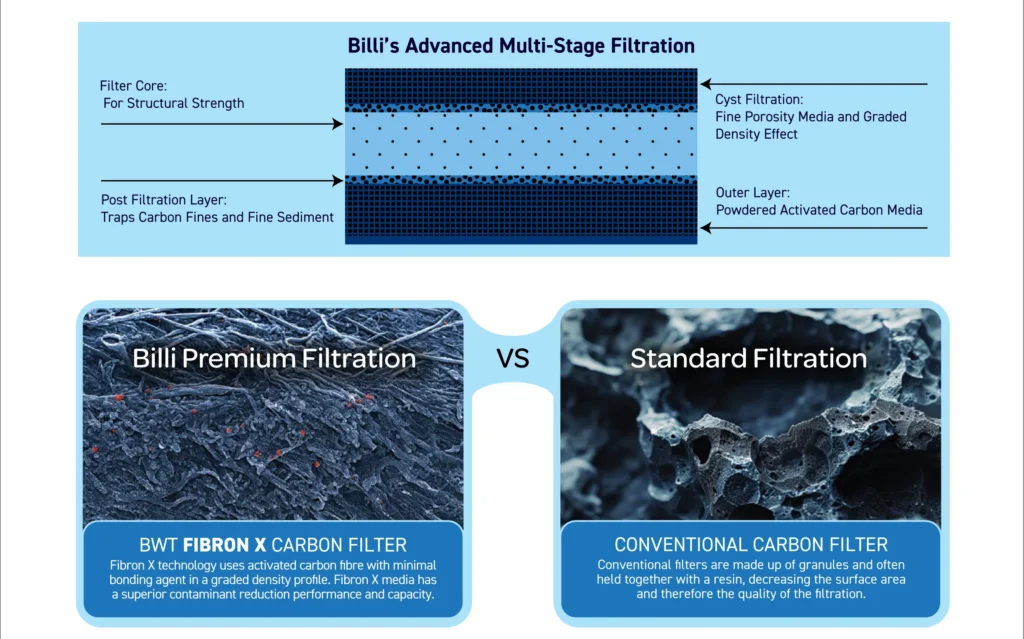
A good filtration system should not only improve the taste and clarity of water. It should also give homeowners a clearer understanding of what the system is designed to reduce. As concerns around microplastics, PFOS, PFOA and other contaminants become more widely understood, certification and micron rating become much more meaningful, particularly for households that already have filtered water but do not know exactly what their existing system is designed to capture.
A filter’s micron rating refers to the size of particles it is designed to capture. While this can sound technical, the idea is simple: smaller particles require finer filtration. For households wanting greater confidence around microplastics and other contaminants of concern, it is no longer enough to assume that all filters do the same job or that any filtered water system will provide the same level of protection.
The other important factor is convenience, because even the best filtration system is only useful if people actually use it. If filtered water is slow, awkward or treated as an extra step, it can quickly become something people forget. The systems that become part of daily life are the ones that make cleaner water easy to access, whether someone is filling a glass, preparing dinner, making tea, serving guests or choosing sparkling water instead of reaching for a bottle.
Billi’s Microplastics-Certified Filtration Innovation
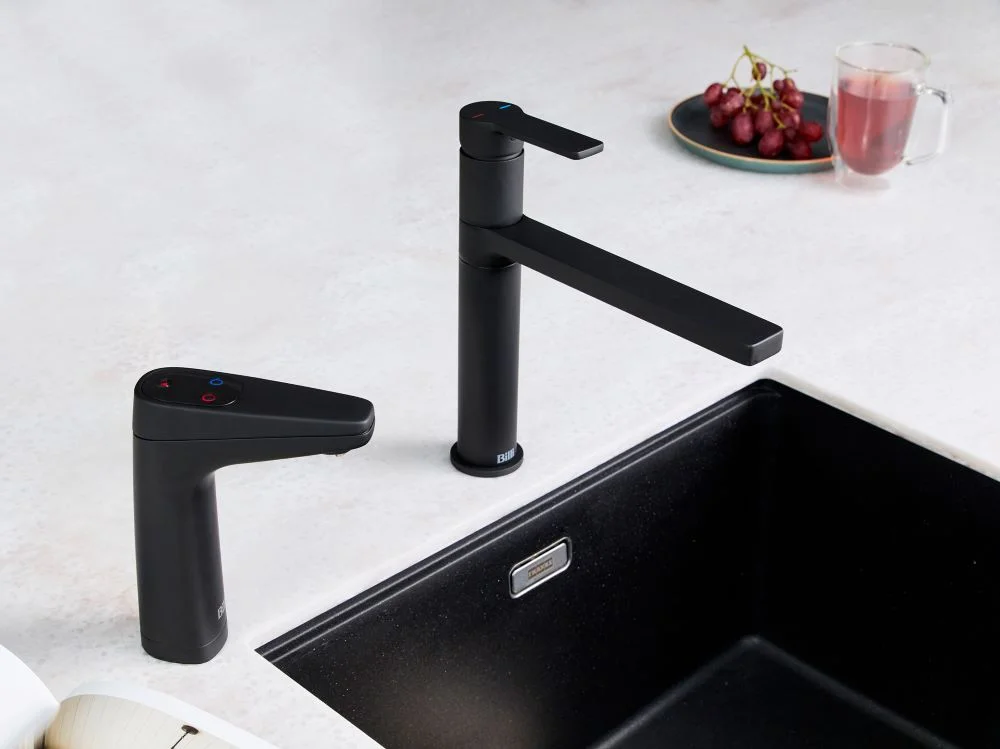
Australian owned and operated, Billi has long been associated with innovation in filtered water systems, changing what homeowners can expect from a kitchen tap. Its systems bring boiling, chilled, sparkling and still filtered water into the everyday rhythm of the home, making filtered water feel less like an add-on and more like part of how a well-designed kitchen functions.
Now, as microplastics become a more important consideration in water quality, Billi is extending that innovation into a new area of filtration. In July 2026, the company is releasing its new microplastics-certified PFOS/PFOA External Pre-Filter Kit and Cartridge, developed for those who want greater confidence in the quality of the water they drink every day.
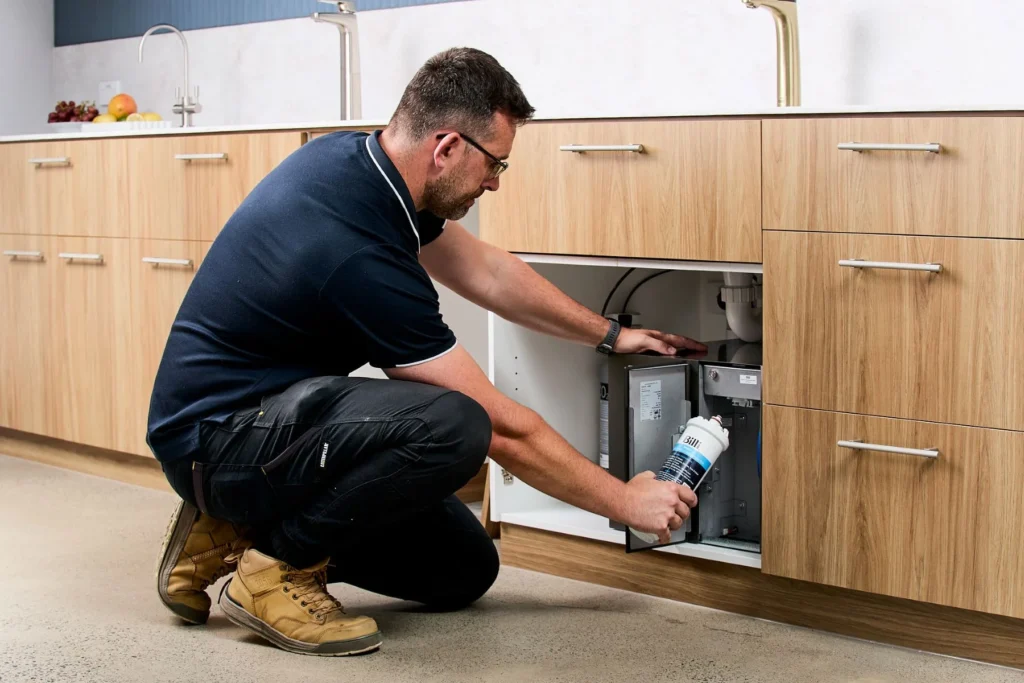
The PFOS/PFOA External Pre-Filter Kit is designed for cold water use and provides 99.6% PFOS/PFOA reduction, with NSF/ANSI 53 certification, a 0.5 micron nominal filter rating and a maximum service life of 12 months. With the added microplastics certification, it gives homeowners another reason to look more carefully at their water filtration, particularly if they already have a filtered water system but are unsure what it is designed to target.
Designed for the Way Modern Homes Use Water
The value of a high-quality water system is not only in what it filters, but in how easily it becomes part of daily life. In a busy household, filtered water needs to be simple to access, whether someone is filling a glass, preparing a meal, making tea or coffee, serving guests or choosing sparkling water instead of reaching for a plastic bottle.
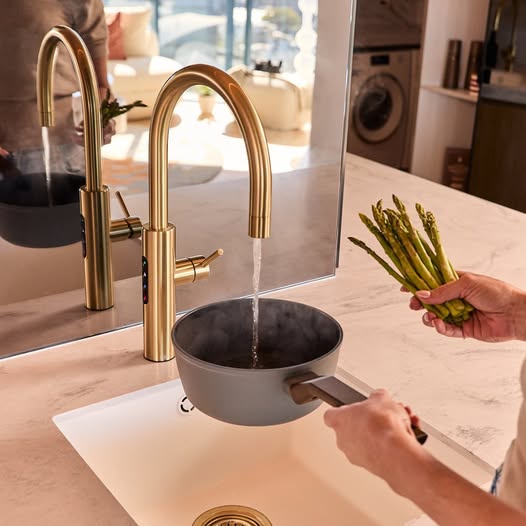
In luxury kitchens, that convenience has to work without adding clutter or compromising the design of the space. By bringing boiling, chilled, sparkling and still filtered water into one integrated system, Billi supports the way modern homes actually use water throughout the day. It makes better hydration easier, reduces the need for separate benchtop appliances and helps cut down on bottled water, which is especially relevant for homeowners already thinking more carefully about plastic exposure.
20 Years of Billi Quadra
The new filter release also sits within Billi’s longer history of innovation in Australian homes and workplaces. The company is celebrating 20 years of its Quadra range, produced in Melbourne since 2006, and over that time expectations around water systems have changed significantly. Homeowners no longer want filtration to be a bulky add-on or a compromise in the kitchen. They want systems that are efficient, refined, space-conscious and easy to use.
Billi Quadra helped shape that expectation by bringing filtered boiling and chilled water into a compact, practical format. Today, the appeal is even broader, with many households also looking for sparkling water, reduced plastic use and filtration that supports a more wellness-focused way of living. As homes become more closely connected to health, sustainability and daily comfort, products that combine performance, convenience and design become far more valuable.
A Smarter Approach to Water at Home
As water quality becomes a greater part of the health and wellness conversation, the kitchen tap is no longer just a finishing detail. It is part of how a home supports daily life. With its integrated boiling, chilled, sparkling and still filtered water systems, and now its new microplastics-certified filter options that can be added or retrofitted to existing units, Billi continues to lead the Australian market in tap innovation, giving homeowners a smarter way to support healthier hydration and bring cleaner water into the heart of the home.
Visit their website for more info – billi.com.au