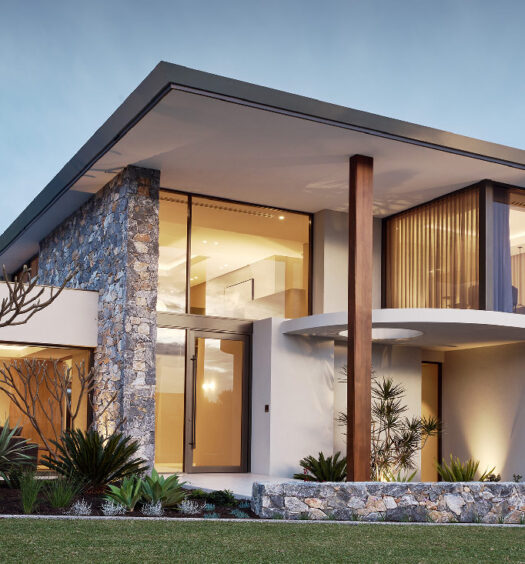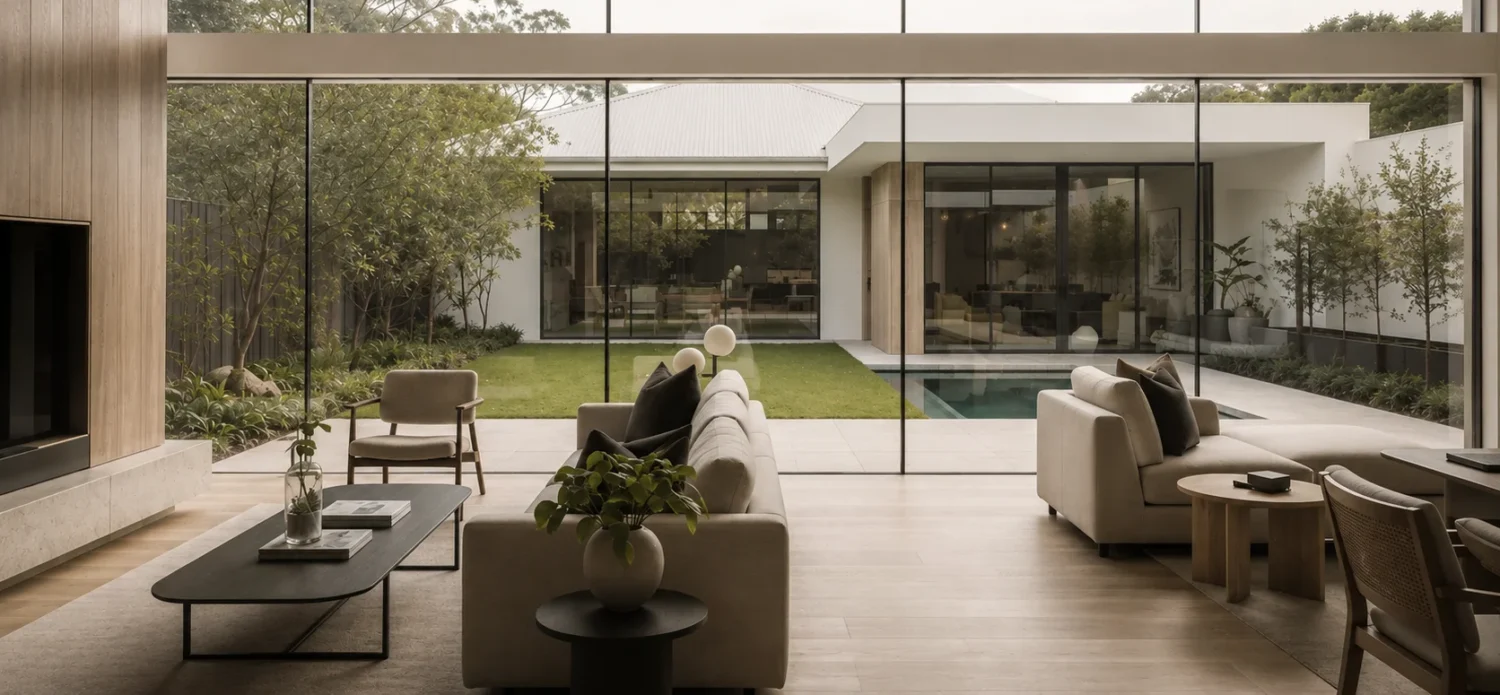

Glass has become one of the defining materials in modern Australian homes. From expansive openings in living areas that open up seamlessly to the outdoors, to soaring entry voids, oversized windows and double height glazing, these features have transformed the way homes look and feel. They flood interiors with natural light, create a stronger connection to the landscape and allow architects to make the most of surrounding views. The challenge, however, is that more glass also means greater exposure to heat, glare and UV radiation, particularly in Australia’s climate.
As homeowners look for ways to improve comfort without replacing existing windows, two solutions are regularly discussed – architectural window film and traditional window tinting. Although the terms are often used interchangeably, they are not the same thing. According to the specialists at Paragon Window Films, understanding the difference is essential, as each product has been developed with a different purpose in mind.
Understanding the Difference
Traditional window tinting is the product most people are familiar with. Originally popularised through the automotive industry, it is commonly associated with darker glass, reduced glare and improved daytime privacy. In residential settings, traditional tinting can also help reduce some solar heat gain and minimise fading caused by prolonged exposure to sunlight, making it a practical option for many homes.
Architectural window film, however, has evolved well beyond simply darkening glass. Designed specifically for residential and commercial buildings, these advanced films are engineered to improve the performance of glazing while preserving the architectural character of the home. Rather than relying on darkness alone, modern architectural films use sophisticated technology to reduce solar heat, filter harmful UV rays and improve indoor comfort, with many products remaining almost invisible once installed.
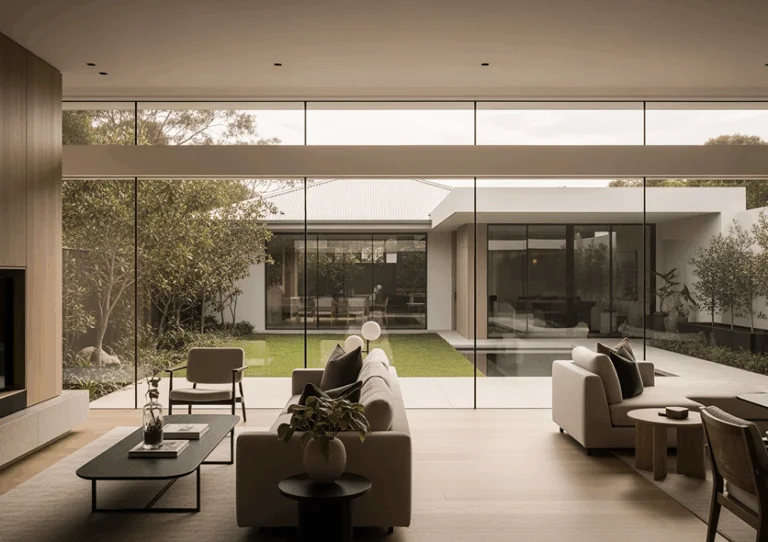
This is one of the biggest misconceptions the team at Paragon encounters. Many homeowners assume darker glass automatically provides better performance, yet advances in window film technology mean some of today’s highest-performing architectural films are virtually clear. They can significantly reduce heat entering the home while maintaining natural light, preserving views and allowing the original design of the glazing to remain the focus.
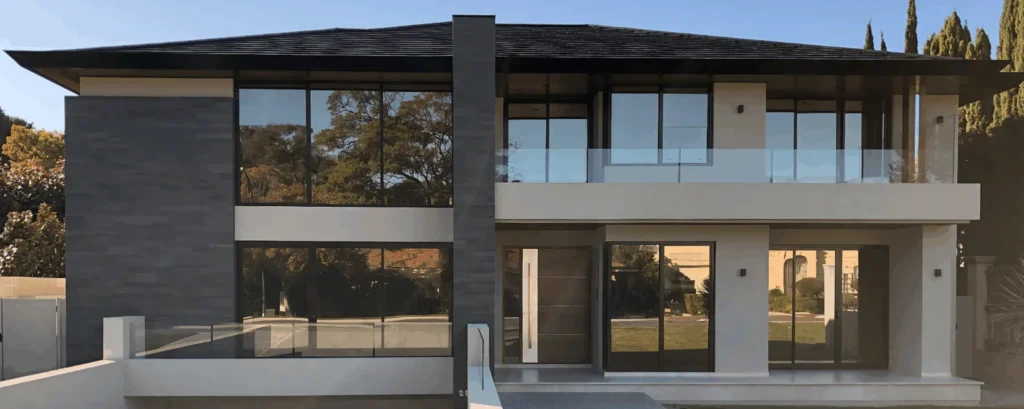
For contemporary homes where floor-to-ceiling glass is often a defining architectural feature, maintaining that visual clarity can be just as important as improving thermal performance.
Every Home Performs Differently
No two homes experience the sun in exactly the same way. The orientation of the property, the surrounding landscape, the type of glazing installed and even the way individual rooms are used all influence how the home performs throughout the day.
A west-facing living room exposed to intense afternoon sun presents very different challenges to an east-facing kitchen or a bathroom where privacy is the primary concern. Likewise, a home showcasing engineered timber flooring, bespoke cabinetry, artwork or premium furnishings may place greater importance on protecting interior finishes from UV exposure than simply reducing glare.
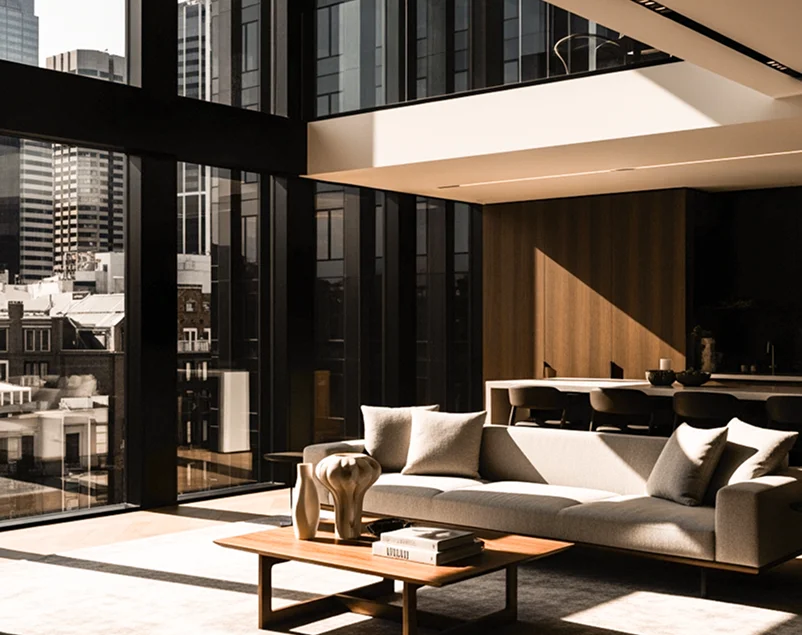
For this reason, selecting window film is rarely about choosing the darkest product available. It’s about understanding what the home is trying to achieve.
Having worked alongside homeowners, architects, builders and commercial clients across Western Australia for more than two decades, Paragon approaches every project individually. The type of glazing, the home’s orientation, the desired level of natural light and the performance expectations of the homeowner are all considered before a recommendation is made. That tailored approach allows the selected film to complement both the architecture and the way the home is lived in, rather than applying the same solution to every project.
Architectural window films are also available in a far broader range of specialised products than many people realise. Depending on the application, they can be designed to reduce solar heat, improve energy efficiency, increase daytime privacy, strengthen glass for additional security or provide decorative finishes that enhance internal spaces. This versatility is one of the reasons architectural film has become an increasingly popular solution for both new homes and renovations.
Performance That Lasts
While initial cost is naturally part of the decision-making process, long-term performance often proves to be the more important consideration. Premium architectural window films are specifically manufactured for permanent building applications and are designed to withstand Australia’s demanding environmental conditions over many years.
Lower-grade tinting products can still provide worthwhile benefits, but they may be more susceptible to fading, bubbling or discolouration as they age, particularly when subjected to prolonged exposure to harsh sunlight. High-quality architectural films, when professionally specified and installed, are engineered to maintain their appearance and continue performing as intended long after installation.
Professional installation also plays an important role in the overall outcome. Modern glazing systems vary considerably, and not every film is suitable for every type of glass. Selecting the right product requires an understanding of how different glazing systems respond to heat, light and solar energy, ensuring the film performs as intended while maintaining the integrity and appearance of the window itself.
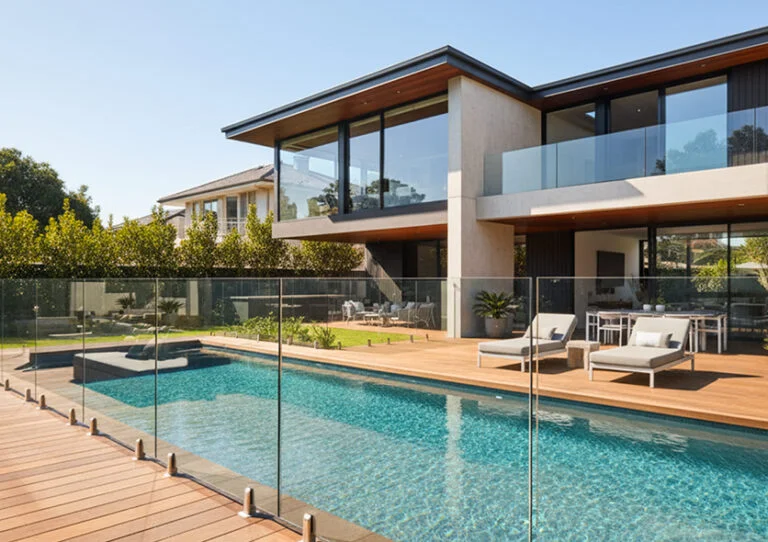
As homes continue to embrace larger expanses of glazing, the conversation is shifting beyond simply making windows darker. Today’s architectural window films are designed to improve the way a home performs every day, creating more comfortable living environments while helping to protect the finishes, furnishings and architectural details that make each home unique. While traditional window tinting still has its place, architectural window film offers a more sophisticated solution for homeowners looking to balance aesthetics with performance. As Paragon Window Films has found across hundreds of residential projects, achieving the best outcome isn’t about selecting the darkest film available – it’s about selecting the right film for the home.
A Building 51, 885 Mountain Hwy, Bayswater VIC 3153
P 03 9988 9176
E info@paragonfilms.com.au
W paragonfilms.com.au