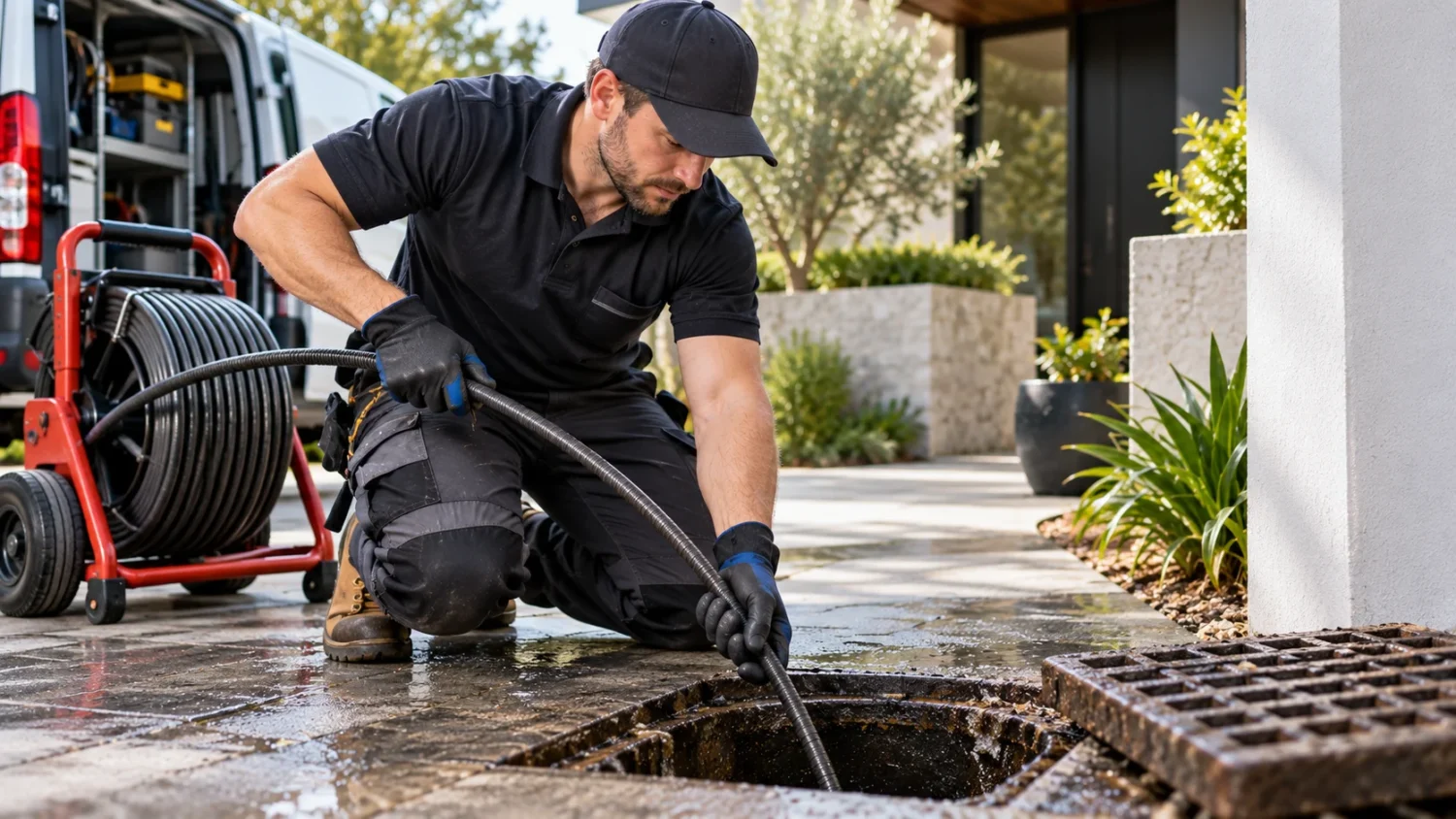

Almost every homeowner deals with a blocked drain at some point, but the underlying causes vary far more than most people realise, and understanding them makes a real difference in preventing repeat blockages. A qualified blocked drain plumber Brisbane residents call in regularly sees the same handful of causes again and again across the city, and most of them are entirely preventable.
Here’s a closer look at what’s actually clogging Brisbane’s drains, and what tends to work best for clearing and preventing each type.
Tree Roots Are the Number One Culprit
Brisbane’s love of mature, leafy gardens comes with a downside for underground pipework. Tree roots are drawn to the moisture inside sewer and stormwater pipes, and they’re remarkably persistent at finding their way in through the smallest crack or loose joint. Once inside, roots grow rapidly, catching debris and eventually forming a significant blockage that simple plunging or chemical cleaner won’t touch.
Older pipe materials, particularly earthenware and unlined concrete common in Brisbane’s established suburbs, are especially vulnerable, since their joints are more prone to the small gaps roots exploit. Regular CCTV inspection and, where necessary, pipe relining or replacement is generally the most effective long-term solution rather than repeated clearing of the same recurring blockage.
Fat, Oil and Grease Build-Up in Kitchen Drains
Pouring fat and cooking oil down the kitchen sink remains a surprisingly common habit, even though it’s one of the most preventable causes of blockages. Grease cools and solidifies inside pipes, gradually narrowing the internal diameter and catching other debris until the pipe eventually blocks completely. This is a particularly common issue behind blocked kitchen sinks and, in more severe or repeated cases, main line blockages affecting an entire household.
Wet Wipes and ‘Flushable’ Products
Despite marketing claims, most wet wipes, including those labelled flushable, do not break down the way toilet paper does. They’re one of the most common causes of toilet and sewer line blockages, both in individual homes and in council sewer infrastructure more broadly. The simplest prevention is straightforward: only human waste and toilet paper should go down the toilet.
– Kitchen grease: pour into a container and bin it once cooled, never down the sink.
– Hair build-up: a simple drain guard in showers prevents the most common bathroom blockage cause.
– Wet wipes and sanitary products: bin them, regardless of packaging claims about flushability.
– Garden debris: keep leaves and soil away from stormwater grates to prevent surface blockages.
Ageing or Damaged Pipework
Beyond what goes into the drain, the condition of the pipe itself plays a significant role. Ground movement from Brisbane’s clay soils, general age-related deterioration, and poor original installation can all lead to misaligned joints, cracks, or partial collapses that create a physical obstruction regardless of what’s being flushed or washed away. These structural causes are the ones a CCTV inspection is specifically designed to identify.
Final Thoughts
Most blocked drains trace back to a small number of preventable causes, and simple habit changes around what goes down the sink and toilet make a genuine difference over time. For blockages that keep recurring despite sensible habits, it’s worth having a proper CCTV inspection done, since a structural issue in the pipe itself won’t resolve on its own no matter how carefully you manage what goes down the drain.
Stormwater blockages deserve a specific mention too, since Brisbane’s heavy seasonal downpours put real pressure on stormwater drains that collect leaves, silt and garden debris throughout the year. Keeping gutters clear and grates free of build-up before the wet season reduces the load on the whole system and lowers the chance of surface flooding around the home during a genuine downpour.
For homeowners wanting to get ahead of these issues altogether, an annual or biennial CCTV inspection is a worthwhile, low-cost habit, particularly for properties with established trees nearby or pipework more than a couple of decades old. Catching early-stage root intrusion or a minor crack before it becomes a full blockage is almost always significantly cheaper than dealing with an emergency callout after the pipe has already failed.
It’s also worth having a conversation with your plumber about the age and material of your existing pipework if you’re not sure what’s currently installed. Knowing whether your home runs on older earthenware, PVC, or a mix of both, particularly if renovations have been done in stages over the years, helps set realistic expectations about how proactive your maintenance approach should be and whether staged pipe replacement might be worth budgeting for over the coming years.
None of this means every blocked drain is a sign of a serious underlying problem. Plenty of blockages are simple, one-off events with an obvious cause that clear easily once identified. The key is recognising the difference between an isolated incident and a pattern, since it’s the pattern, not the individual blockage, that usually points to something worth investigating properly with a camera before it escalates into a more disruptive and costly repair.
Simple awareness of what shouldn’t go down the drain, combined with an occasional professional check for older properties, genuinely does most of the heavy lifting when it comes to avoiding blocked drains altogether.
It’s a genuinely low-effort habit to build into a household routine, and it consistently proves far cheaper over the years than dealing with the aftermath of a serious blockage that’s been allowed to develop unchecked over a long period of time without anyone noticing the early warning signs.
You Might Also Like