A bathroom renovation is one of those projects that looks straightforward – until you’re halfway through it. Suddenly, you’re making decisions about grout colours, waterproofing, tap placement, and shower drains, all while desperately trying to stick to a budget that’s disappearing faster than you expected. Get your planning right, however, and you’ll be able to enjoy your refreshed and revamped bathroom space every single day. Get it wrong and, well, you’ll be reminded of those mistakes every morning, without fail.
If you’re planning a bathroom makeover, here are four do’s and four don’ts that can save you a colossal amount of stress down the track.
Do: Hire Qualified Professionals
It might be tempting to save money by tackling parts of the renovation yourself, especially if you’ve watched a few tutorials online. Painting is one thing. Get it wrong and all you have to do is slap a new colour on. Plumbing on the other hand? That’s another story entirely.
If you don’t already have a plumber you’ve worked with in the past, a quick search for “plumbers near me” is a great starting point, with inclusion of any particular services (i.e. emergency plumbers, electrical safety inspection plumbers, etc.). You’ll probably find no shortage of options in your area, but don’t just go with the cheapest quote. Take the time to read reviews, check they’re fully licensed and insured, and look for someone with a solid reputation for quality workmanship.
A licensed plumber knows local regulations and can catch problems before they become costly by ensuring everything is installed correctly from the start. They can save you from expensive leaks, water damage, and plenty of headaches later on. A leaking pipe hidden behind fresh tiles can undo thousands of dollars’ worth of work. Spending a little more on experienced trades upfront is usually far cheaper compared to repair costs down the line.
Don’t: Fall for the Tiny Mosaic Tiles Trend
Those beautiful mosaic bathrooms all over Instagram definitely have their place, but the harsh truth is that they’re not always practical for everyday living. It’s simple. Tiny tiles mean one thing: grout. Lots and lots and lots of grout.
While grout can be sealed, it still tends to collect soap scum, mould, and grime much faster than high-quality large-format tiles. Cleaning dozens of grout lines every week gets old pretty quickly, especially in showers. It’s one of the reasons most cleaners let out an audible sigh when they walk into a bathroom covered in tiny mosaic tiles. Unless you’re happy spending extra time scrubbing or paying someone else to do it, you’ll probably appreciate having fewer grout lines to deal with.
If you love the look, consider using mosaic tiles as a feature wall or niche instead of covering the entire bathroom. Pairing mosaic tiles with larger ones gives the same designer feel without the cleaning nightmare.
Do: Invest in Proper Waterproofing
There are a substantial amount of ‘invisible systems’ that go into a quality bathroom setup. For example, nobody sees waterproofing once the bathroom is finished, which is probably why some are tempted to cut corners here. You might even hear people on social media saying that it’s completely unnecessary. Don’t believe them.
Good waterproofing protects your home from moisture getting behind tiles and into the walls or flooring, which is absolutely essential in wet areas like a bathroom. Water damage can stay hidden for months before you notice swollen skirting boards, peeling paint, or nasty mould appearing elsewhere in the house, which is a major respiratory hazard.
It’s one of those jobs where you really want everything done correctly from the start. Spending a little extra on quality materials and experienced installers gives you peace of mind and helps protect the value of your home for years to come.
Pretty tiles are important, but they’re sitting on top of the real hero of the renovation.
Don’t: Jump on the Linear Shower Drain Trend Without Thinking
Linear shower drains have become incredibly popular in modern bathrooms. You’ll see them in all the new builds, and there’s no denying that they certainly look sleek. The downside? They’re surprisingly high maintenance. Ask any cleaner and they’ll tell you how difficult (and downright gross) they can be to keep clean.
The main reason is hair, soap residue, and grime tend to build up along the entire length of the drain rather than in one small spot. Cleaning them properly often means removing covers and reaching into awkward spaces, which is more maintenance than most people would expect.
A traditional centre waste is generally much easier to keep clean and often drains just as effectively. Before choosing purely based on appearance, think about what you’ll actually be happy maintaining every week. If you’re happy spending fifteen minutes cleaning hair and grime out of your drain everyday, go for it. If that’s not exactly your idea of fun, stick to the tried-and-trusted option.
Do: Plan Plenty of Storage
Not planning for enough storage is often one of the biggest regrets people have after a bathroom renovation. Bathrooms somehow collect more products than we realise. Shampoo, skincare, hair tools, medication, spare toilet paper, cleaning products, and towels all need somewhere to live.
While it can be tempting to opt for a minimalist vanity to make the room feel bigger, you’ll probably appreciate the extra storage every single day. Deep drawers, mirrored shaving cabinets, and recessed shower niches can all help keep the space organised without making it feel cluttered.
So, think about how you actually use your bathroom rather than copying someone else’s layout online. A bathroom that stays tidy usually feels more luxurious than one constantly covered in bottles and clutter.
Don’t: Buy Everything Based on Looks Alone
It’s easy to fall in love with fancy tapware, unusual basins or trendy finishes. Before buying anything, ask yourself one simple question. Will this still be practical five years from now?
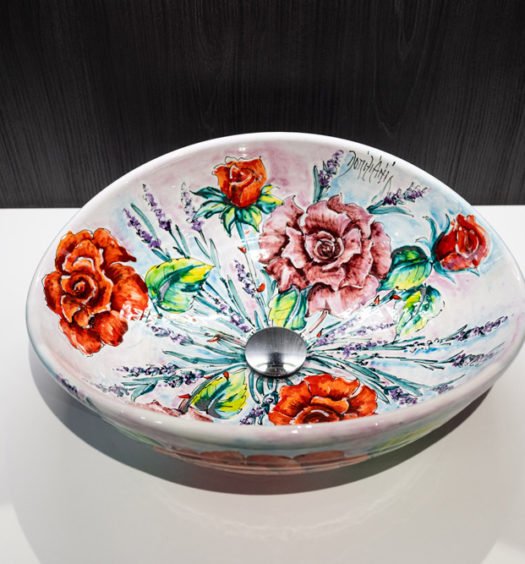
Matte black fittings can show water spots and limescale more easily than standard chrome fittings. Some designer basins look aesthetic but splash absolutely everywhere. Freestanding baths look incredibly regal and high-end, but aren’t always comfortable to clean around.
There’s nothing wrong with choosing stylish fixtures, but they should work well too. A bathroom is one of the hardest (and most expensive) rooms in the house to renovate, so you’ll want products that are built to last and easy to live with.
Do: Think About Lighting Early
You don’t think about lighting much until you’re standing in your brand-new bathroom wondering why it feels a bit off. A single ceiling light (aka the “big light”) might technically do the job, but it usually creates harsh shadows and leaves the room feeling flat.
Think about how you actually use the space. Ever tried shaving while half your face is in shadow? Or done your makeup under terrible lighting, only to walk outside and realise it looks completely different? That’s where layered lighting comes in. An LED-backlit mirror, a few well-positioned recessed downlights, and even a shower light can make the whole bathroom feel brighter, more luxurious, and far more expensive than it actually is.
If you’ve got the opportunity to open the space up with a window, that’s always a good idea. It might not be possible in every renovation, but if you’re lucky enough to have the option, take it. If you’re in a single-storey home and adding a wall window isn’t practical, a skylight is a fantastic alternative. It floods the room with natural light, makes the space feel much larger, and there’s nothing quite like stepping into a bright, sunlit bathroom in the morning.
Don’t: Rush Your Decisions
Bathroom renovations involve many decisions and rushing them often leads to problems that you’ll regret in three months’ time. So, don’t rush the process. Head to your local tile store to look at tile samples. Check out stone slabs in person. Stand in a showroom and see if the vanity height actually feels comfortable.
Waiting an extra week to make the right choice is far better than spending the next 15 years wishing you’d picked something else. The best renovations aren’t always the most expensive ones. They’re the ones that are planned properly, with practical decisions that make sense long after the renovation is done.
Final Thoughts
Most people don’t want to do a bathroom renovation twice, so it’s worth taking your time and making smart decisions. Prioritise quality workmanship, choose materials you’ll enjoy, and don’t follow every short-lived design trend you see on social media. A bathroom that’s practical, easy to maintain and built properly will always outlast one that’s designed purely for looks.
With a bit of planning, you’ll end up with a space that still feels just as good years down the track as it did the day it was finished.
You Might Also Like