



Most homes have at least some carpet, whether it is wall-to-wall in the bedrooms, a runner on the stairs or a large rug in the lounge room. Keeping it clean usually takes more than one tool. A vacuum handles the daily dust, but spills, pet accidents and years of foot traffic need something else.
This guide covers the main types of home equipment, when each one makes sense, how hiring compares with owning and which accessories and solutions to look for.
The Main Types of Home Carpet Cleaning Tools
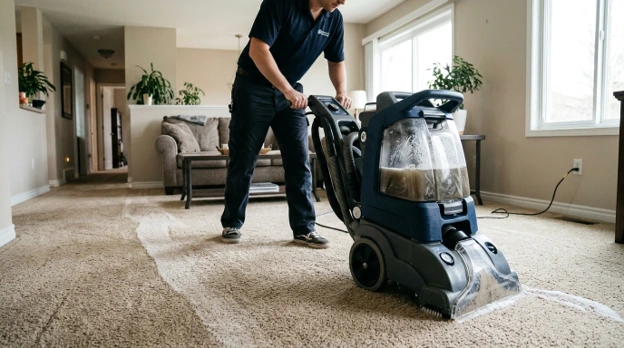
The range of carpet cleaning equipment Australia households can choose from falls into a few groups: vacuums for regular care, spot cleaners for small marks, and deep cleaning machines for occasional whole-room cleans. Each one does a different job, and most homes end up using more than one.
Vacuums remove loose dirt, dust, hair and crumbs from the surface and the top of the pile. They are the everyday tool, and nothing else replaces them.
Spot cleaners are small portable machines that spray solution onto a mark and suck it back up. They are made for spills, pet accidents and small stains on carpet, rugs, car seats and upholstery.
Deep cleaning machines, often called carpet washers or extraction machines, work over whole rooms. They inject water and cleaning solution into the pile and then extract it along with the dirt that has worked its way down into the fibres. These are available to hire or buy.
Here is a quick comparison of the three main tools.
| Tool | Best for | How often | Hire or buy |
| Vacuum with power head | Loose dirt, dust and hair | Weekly or more | Buy |
| Spot cleaner | Spills, pet accidents, small stains | As needed | Usually buy |
| Deep cleaning machine | Whole rooms, built-up dirt | A few times a year | Hire or buy |
Vacuums: The Everyday Foundation
A vacuum does more for carpet life than any other tool, because grit left in carpet wears the fibres each time someone walks on it. For carpeted homes, look for a model with a motorised brush head or power head, which agitates the pile and lifts more dirt than suction alone.
Upright and barrel vacuums with power heads tend to suit larger carpeted areas. Stick vacuums are convenient for quick daily cleans, especially in homes with children or pets, though battery life and bin size vary between models. Check how easy the brush roll is to clean, since long hair and pet fur wrap around it quickly.
Filtration is worth considering too. Households with allergy concerns often look for sealed systems and fine filters. Follow the manufacturer’s instructions for cleaning or replacing filters, because a clogged filter reduces suction.
Spot cleaners for spills and small marks
A spot cleaner earns its place in homes where spills happen often. Picture a household with a toddler and a puppy. Milk, juice, muddy paws and the occasional toilet-training accident can all be dealt with in minutes, before the mark sets.
When comparing spot cleaners, look at how easy the tanks are to fill, empty and rinse, and whether the hose and tools reach stairs and car interiors. A machine that is a hassle to clean out tends to stay in the cupboard.
Deep Cleaning Machines: Hire or Buy
Deep cleaning machines are the biggest decision, and the main question is whether to hire or own one.
Hiring suits most households that deep clean a few times a year. You avoid storing a bulky machine, and maintenance is handled by the hire provider. Britex’s 3-in-1 Deep Cleaning Machine, for instance, is available for 24 or 48-hour hire from retailers including Bunnings, Woolworths, Coles, IGA, Drakes and Mitre 10, according to its website. You pick it up in store with your driver’s licence, a second form of ID and a mobile phone, and return it to the same store.
Buying a machine can make sense for larger homes, households with several pets, or anyone who wants to clean high-traffic areas every few weeks. The trade-offs are the purchase price, storage space and the need to clean and dry the tanks after each use.
A useful way to decide is to count how often you deep clean in a typical year and add up the hire costs. Then compare that with the price of a home machine and the space it would take. A couple in a small apartment with one rug may find hiring once or twice a year plenty. A family with three dogs and carpet throughout may lean towards owning.
Wands, Attachments and Cleaning Solutions
The right accessories make a big difference to results. Deep cleaning machines usually come with a main floor head and optional hand tools for stairs, upholstery and tight spots. When hiring, ask store staff which wand suits your job, as Britex suggests on its website.
Cleaning solution matters as much as the machine. Use products designed for the equipment, as the wrong product can foam too much, leave residue or damage the machine.
Always check the carpet or upholstery care instructions first. Wool, wool blends and some natural fibres can need particular products or lower moisture, and some fabrics are not suited to wet cleaning at all. Test any product on a hidden spot before cleaning a whole room.
Getting The Most From Your Equipment
Good results depend on how the equipment is used. Vacuum thoroughly before any deep clean, so the machine is not pushing loose dirt around. Work slowly in overlapping passes, and finish with a few dry passes to pull out extra water.
Drying time is part of the job. Open windows, run fans and keep people and pets off the carpet until it is dry. Clean and dry any machine you own after each use, and store solutions out of reach of children.
Stairs and rugs need a slightly different approach. On stairs, a hand tool or stair wand reaches the edge of each tread and the riser, where dirt builds up from shoes. Work from the top step down so you never kneel on damp carpet. Loose rugs are often easier to clean outside on a clean, dry surface such as a deck or concrete path, then hang or lay flat to dry in the shade.
Check rug labels before cleaning, as some handmade, natural fibre and antique rugs are better left to a specialist.
Building a Carpet Cleaning Equipment Australia Home Kit
A sensible carpet cleaning equipment Australia home kit usually starts with a vacuum that has a power head. Add a spot cleaner or spot spray for spills, then use a hired or owned deep cleaning machine for periodic cleans. Choose each piece to suit your carpet type, household and storage space, and follow the care instructions for every surface you clean.
Frequently Asked Questions
Is a carpet cleaning machine safe for wool carpet?
Some are, but wool needs care. Check the carpet manufacturer’s instructions and use a product labelled as suitable for wool, testing it on a hidden spot first.
How often should carpets be deep cleaned?
It depends on foot traffic, children and pets. Many households deep clean high-traffic areas more often than bedrooms, and follow the carpet manufacturer’s guidance.
Can I use household detergent in a carpet cleaning machine?
It is best not to. Household detergents can foam heavily and leave sticky residue, so use the solution recommended for the machine.
You Might Also Like

