
Designing a home in tropical Australia is about more than style, it’s about responding intelligently to climate. In regions like North Queensland, where heat, humidity, and seasonal storms shape daily life, comfort doesn’t happen by accident. It comes from thoughtful design choices that work with the environment rather than against it.
Many homeowners begin thinking about comfort only after moving in, when they realise how much indoor temperature affects sleep, energy levels, and even mood. That’s why some people start researching essentials early, from insulation and airflow to reminders about the importance of choosing the right air conditioning service in Cairns for long-term cooling reliability. In tropical areas, cooling isn’t a luxury feature; it’s a core part of liveable design.
A well-designed tropical home feels calm, airy, and naturally cooler, even before the air conditioner turns on.
Understanding the Tropical Climate
Tropical climates are defined by high humidity, strong sun exposure, and wet seasons that bring intense rainfall. Unlike dry heat, humidity makes warmth feel heavier and more persistent. Homes that trap heat or moisture quickly become uncomfortable.
Good tropical design reduces heat gain and encourages airflow. Instead of fighting the climate with constant cooling, the goal is to reduce how much cooling is needed in the first place.
Australia’s Commonwealth Scientific and Industrial Research Organisation (CSIRO) has highlighted that climate-responsive housing design can significantly reduce energy use while improving comfort. In other words, smart design isn’t just about lifestyle, it’s also about efficiency.
Orientation Matters More Than Many Realise
One of the most effective design decisions happens before construction even begins: orientation. How a home sits on its block influences how much sun it absorbs and how breezes move through it.
In tropical regions, minimising direct western sun exposure can reduce afternoon heat buildup. Positioning living spaces to capture prevailing breezes helps maintain natural cooling.
These choices often cost nothing extra during planning but make a noticeable difference once the home is lived in.
The Value of Cross-Ventilation
Cross-ventilation is one of the simplest and most powerful cooling strategies. When windows and openings are placed on opposite sides of a room, air can flow through naturally.
High ceilings also help, allowing warm air to rise above living level. Louvered windows, ventilated roof spaces, and open-plan layouts can further support airflow.
Many traditional Queenslander homes used these principles long before modern cooling systems existed, and they remain relevant today.
Shading and Outdoor Design
Tropical homes benefit greatly from good shading. Eaves, awnings, pergolas, and verandas protect walls and windows from direct sunlight. This not only cools interiors but also extends the life of materials.
Landscaping plays a role too. Trees and greenery provide natural shade and help reduce surrounding temperatures. A well-placed tree can cool a home more effectively than many realise. Outdoor living areas also become more usable when shaded and breezy, which suits the tropical lifestyle.
Materials That Handle Heat and Moisture
Not all materials perform equally in tropical climates. Some retain heat, while others release it quickly. Breathable materials and moisture-resistant finishes help homes stay comfortable and durable.
Light-coloured roofs reflect more heat than dark ones. Insulated roofing reduces heat transfer into living spaces. Wall materials that resist humidity prevent long-term issues like mould. Choosing the right materials from the start avoids future maintenance headaches.
Cooling Systems as Part of the Design
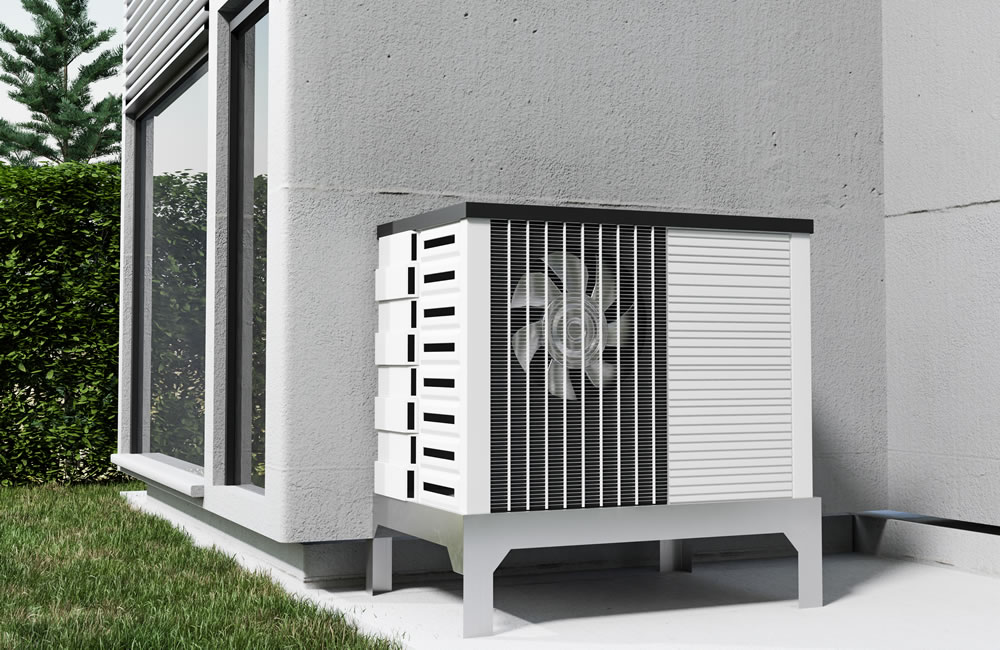
Even with excellent passive design, most tropical homes still rely on mechanical cooling at times. The key is to see cooling systems as part of an overall comfort strategy, not the only solution.
Energy-efficient air conditioning systems, ceiling fans, and smart zoning help manage temperature without excessive energy use. A well-designed home allows these systems to work less hard. When cooling complements good design, comfort feels effortless rather than forced.
Managing Humidity
Humidity control is often overlooked but crucial in tropical regions. Excess moisture affects comfort, indoor air quality, and even furniture longevity.
Good ventilation, appropriate building materials, and well-maintained cooling systems help manage humidity. In some cases, dehumidification features can make a noticeable difference. A dry-feeling home often feels cooler, even at the same temperature.
Lifestyle and Liveability
Comfort isn’t just physical; it shapes how a home is lived in. Homes that stay cooler naturally encourage better sleep, more enjoyable indoor time, and relaxed living.
Tropical living also embraces indoor-outdoor flow. Wide openings, covered decks, and breezy transitions between spaces create a sense of openness that suits the climate. Designing for comfort ultimately supports wellbeing.
Planning for the Long Term
Building or renovating in tropical Australia is a long-term investment. Climate-aware design protects that investment by reducing running costs and maintenance needs.
Homes that work with the environment age better and remain more appealing to future buyers. Energy-efficient, comfortable homes are increasingly valued in the market.
Comfort today also means value tomorrow.
A comfortable tropical home doesn’t rely on a single feature. It’s the result of many thoughtful choices, orientation, ventilation, shading, materials, and efficient cooling working together.
When these elements align, a home feels naturally suited to its environment. It stays cooler, uses less energy, and supports everyday wellbeing.
In tropical Australia, comfort is not a luxury detail. It’s a foundation of good home design. And when a home is designed with climate in mind, it rewards its owners every day with liveability, calm, and ease.