

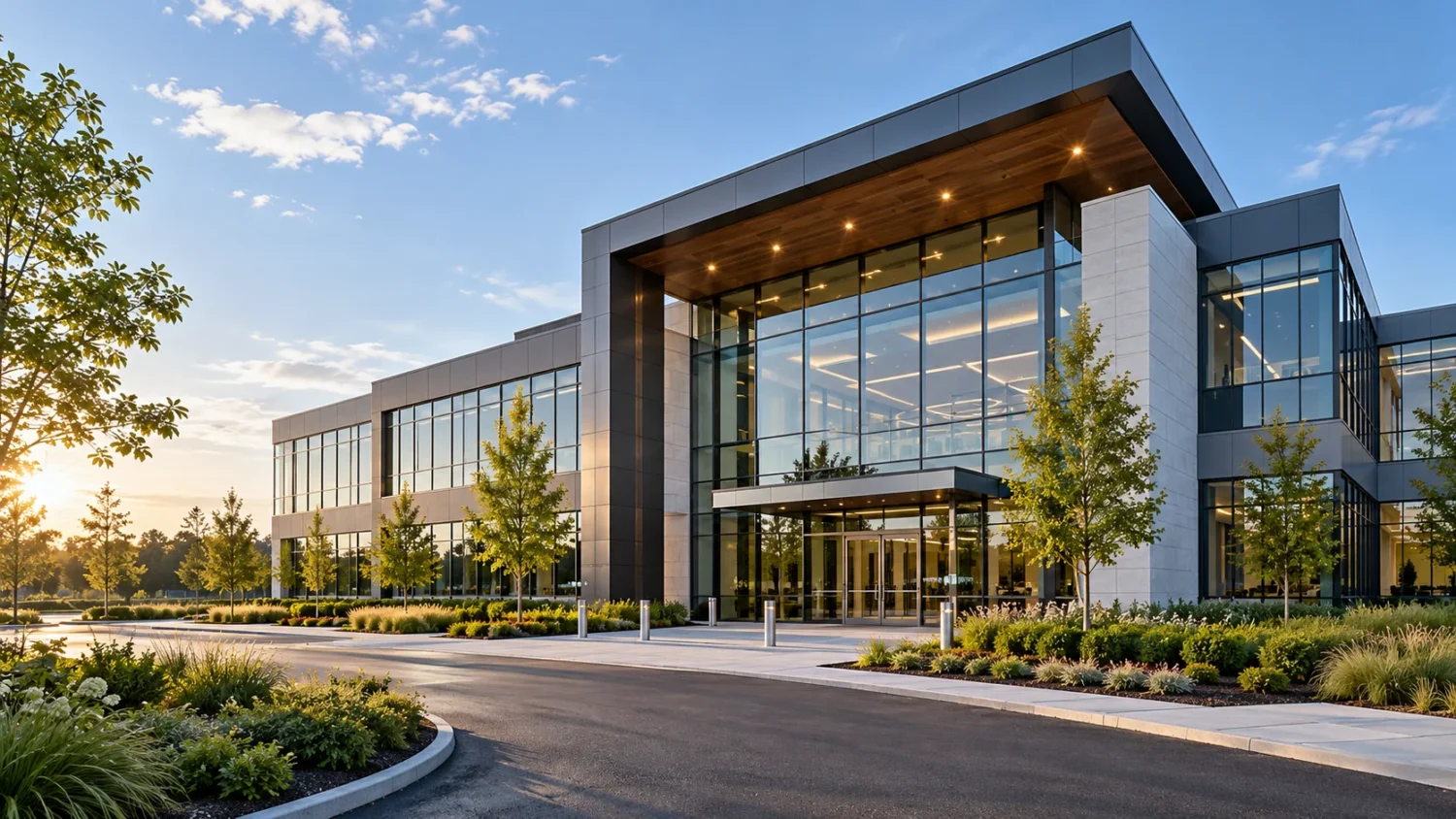

Leasing commercial space, whether as a tenant seeking a new premises or a landlord looking to secure a reliable occupant, involves considerably more complexity than a standard residential lease. Understanding how commercial property leasing Essendon arrangements typically work helps both parties approach negotiations with realistic expectations and avoid costly misunderstandings down the track.
Here’s a practical overview of what to expect throughout the commercial leasing process in the Essendon area.
Understanding Lease Structures
Commercial leases commonly fall into a few broad structures: gross leases, where the tenant pays a fixed rent covering most outgoings, and net leases, where the tenant separately covers costs like council rates, insurance and building outgoings on top of base rent. Understanding which structure applies to a specific property, and what it actually means for total occupancy cost, is essential before signing anything.
It’s also worth understanding rent review mechanisms built into most commercial leases, whether that’s a fixed annual percentage increase, a market review at set intervals, or a combination of both. These clauses significantly affect the true long-term cost of a lease, and they’re often overlooked by tenants focused primarily on the initial rent figure quoted.
The Retail Leases Act and Your Protections
In Victoria, certain commercial leases, particularly retail premises, fall under the protections of the Retail Leases Act, which provides specific tenant protections around matters like disclosure statements, minimum lease terms, and restrictions on certain landlord charges. Understanding whether your specific lease falls under this Act meaningfully affects your rights and obligations as a tenant, and it’s worth clarifying this early with a commercial property specialist or lawyer.
Make-Good Obligations Deserve Early Attention
Most commercial leases include make-good provisions, requiring the tenant to return the premises to a specified condition at the end of the lease term. These obligations can represent a significant cost if not properly understood upfront, and it’s worth negotiating clear, specific make-good terms at the outset rather than discovering an ambiguous or costly obligation only when the lease is ending.
– Base rent vs outgoings: understand the full occupancy cost, not just the headline rent figure.
– Lease term and options: clarify renewal options and how rent is determined if exercised.
– Make-good obligations: negotiate clear, specific terms rather than vague language.
– Permitted use clauses: confirm the lease genuinely allows your intended business activity.
Working With an Agent Through the Process
A good commercial agent guides both landlords and tenants through this process, helping negotiate terms that are fair and workable for both parties rather than simply pushing for the most aggressive position possible. For tenants specifically, an experienced agent can also help identify suitable properties that meet both budget and operational requirements, saving considerable time compared to searching independently across the Essendon commercial market.
Due Diligence Before Signing
Before committing to a commercial lease, both landlords and tenants benefit from proper due diligence. Tenants should confirm the property is genuinely suitable for their intended use, including any required permits or zoning considerations specific to their business type, while landlords benefit from understanding a prospective tenant’s financial position and business history before committing to a multi-year lease arrangement.
Engaging a solicitor experienced in commercial leasing to review the final lease document is a worthwhile investment for both parties, given how much financial and operational risk can be embedded in seemingly standard clauses. This relatively small upfront cost is minor compared to the potential cost of a poorly understood obligation surfacing years into a lease term.
Negotiating Terms That Work for Both Parties
Successful commercial lease negotiations generally result in terms that feel fair and workable to both landlord and tenant, rather than one party extracting maximum advantage at the other’s expense. An experienced agent understands this balance and helps steer negotiations toward a genuinely sustainable long-term arrangement rather than a lease that looks good on paper but creates friction throughout the tenancy.
This balanced approach ultimately benefits both parties, since a tenant operating under fair, well-understood terms is far more likely to remain a reliable, long-term occupant than one who feels the lease was negotiated unfairly against their interests from the outset.
Common Pitfalls Worth Avoiding
A number of recurring pitfalls trip up both new landlords and new tenants in commercial leasing, from underestimating total outgoings costs to overlooking restrictive permitted use clauses that limit future flexibility if a business needs to pivot. Being aware of these common issues before entering negotiations helps you ask sharper, more informed questions throughout the process.
An experienced commercial agent who has seen these pitfalls play out repeatedly across many transactions can flag them proactively during your own negotiation, often saving considerable cost and frustration compared to discovering an overlooked issue only after the lease has already been signed.
Final Thoughts
Commercial leasing involves genuine complexity that rewards careful attention before signing rather than after. Whether you’re a landlord or a tenant, understanding lease structure, relevant legal protections, and make-good obligations upfront leads to a far smoother tenancy and avoids costly disputes further down the track.
Engaging a commercial property specialist early in the process, ideally before entering serious negotiations, gives both landlords and tenants a much stronger position when it comes to agreeing terms that genuinely work for everyone involved.
Ultimately, a well-negotiated commercial lease should feel like a durable foundation for the tenancy ahead, not a document either party needs to revisit anxiously every time a minor question arises over the following years.
You Might Also Like


