

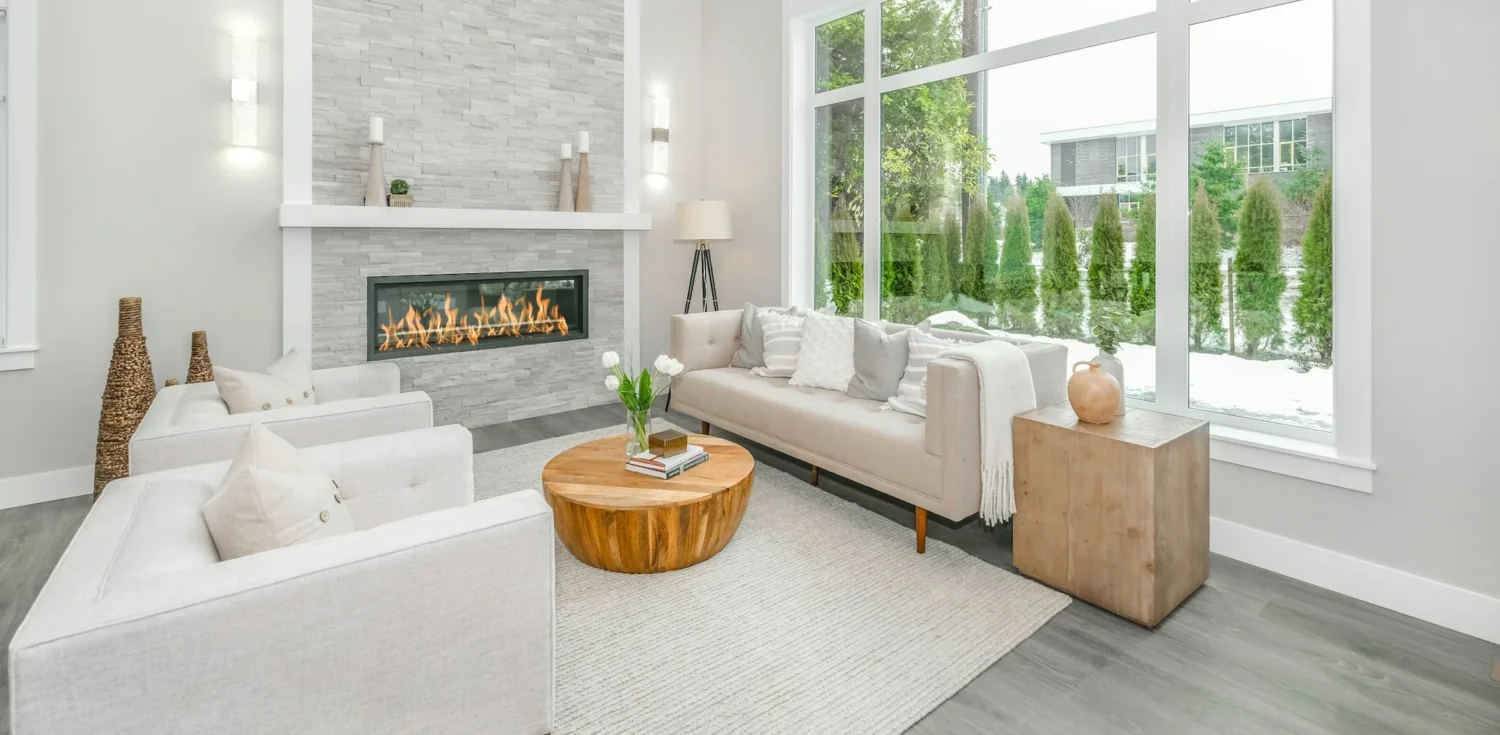

A truly beautiful custom home feels like one big, unified idea, expressed through its spaces, colours, and textures. It’s more than just nice furniture or a great layout; it’s about everything feeling connected. Getting this seamless style doesn’t just happen. It comes from making deliberate choices and sticking to a consistent vision for every decision, from the big architectural plans down to the tiniest details.
This process turns a bunch of rooms into a home that’s designed as a whole and truly shows off your personal style.
Start With a Clear Vision
Before anyone even pours the foundation, the most important work starts with figuring out what you really want. This is your design’s North Star. Are you leaning towards the clean lines and natural materials of modern coastal design, the cosy, rustic feel of a country farmhouse, or the bold simplicity of contemporary minimalism? Take some time to gather inspiration from magazines, online sites, and display homes.
Put together a mood board, either a physical one or a digital one, that captures the exact vibe you want your home to have. This collection of pictures, textures, and colours will be super helpful for you and your design team. Having a solid plan helps you create a cohesive home design right from the start, making sure every choice fits your ultimate goal.
The Role of Interior Elements
Cohesion is all about repeating and being consistent. The trick is to pick a few main interior elements and use them throughout the whole house. This doesn’t mean every room has to look identical, but they should all speak the same design language. For example, you might choose a specific type of timber flooring for all the main living areas and hallways.
Or maybe you decide on a signature profile for your architraves and skirting boards that you use in every single room. The intersection of interior design and architecture is where this harmony really comes to life. Things like window frame colours, internal doors, and even how high the ceilings are should all be thought of as part of one big, overarching plan.
Hardware for Unified Design
Often overlooked, hardware is a powerful tool for making everything look unified. Think of it as your home’s jewellery. Door handles, cabinet pulls, light switches, and tapware all add to the overall feel. Choosing a consistent finish for these items across different rooms is one of the easiest yet most effective ways to tie your design together.
For instance, using a warm, timeless material like the pieces you find in the Corston antique brass hardware collection can create a thread of classic elegance that runs from your kitchen and bathrooms right through to your wardrobes and internal doors. This consistency in the small details really strengthens your home’s character and makes the whole place feel thoughtfully put together and complete.
Selecting Harmonious Finishes
Your colour palette sets the mood for your home. A cohesive palette usually has about three to five colours that you use in different amounts throughout the house. You might have a main neutral for the walls, a secondary colour for accent walls or cabinets, and a few accent colours that pop up in decor, art, and textiles.
Beyond paint, think about the finishes of your hard surfaces. If you’ve gone for a polished concrete floor, you might echo that sleekness with stone benchtops in the kitchen and bathroom. If your style is more natural, timber joinery can be complemented by textured tiles and wool carpets. The goal is to get your materials talking to each other, making sure they work together instead of clashing.
From Room to Room Flow
A cohesive home guides you smoothly from one space to the next. You get this flow by having smart transitions. Using the same flooring material is a great way to connect open-plan areas. Where flooring does change, like from tiles in a bathroom to carpet in a bedroom, make sure the colours complement each other.
What you see when you look from one room to another is also important. When you stand in the hallway and look into the living room, the view should feel inviting and stylistically consistent. Using your accent colour in the entryway and then repeating it in a cushion or a piece of art in the next room creates a visual link that pulls the spaces together.
Creating a cohesive style means making intentional choices that all support a central theme. When every element works together, your custom house truly becomes a personal and harmonious home, especially with seamless indoor-outdoor flow.
You Might Also Like


