
Most parents want the same things for their children. Confidence. Curiosity. The ability to solve problems without melting down. A genuine love of learning that doesn’t evaporate the moment homework hits the table.
We spend a lot of time and energy trying to build those qualities through structured activities. Sports teams, music lessons, extra tutoring, reading programs. All good stuff. But there’s one ingredient that ties all of it together, and it rarely gets the credit it deserves.
Creativity.
Not the finger painting on the fridge kind (although that counts too). We’re talking about the deeper, messier, more powerful version of creativity that rewires how kids think, communicate, and engage with the world around them.
It shows up in how a child approaches a maths problem. How they resolve a disagreement with a friend. How they express something they don’t have the vocabulary for yet. Creativity isn’t a single skill. It’s the operating system behind almost every other skill that matters.
And the best part? You don’t need a special program or expensive equipment to nurture it. You just need to understand what actually feeds it.
Art Isn’t Extra. It’s Essential.
Somewhere along the way, art got pushed into the “nice to have” category. Schools trim it when budgets get tight. Parents see it as downtime between the “real” subjects. And kids pick up on that message fast.
That’s a problem. Because art does things for a developing brain that nothing else replicates.
When a child paints, they’re making hundreds of micro decisions. What colour comes next? How much water on the brush? What happens if these two shades overlap? Does the picture match what they imagined, and if not, what do they do about it?
That’s problem solving. That’s emotional regulation. That’s flexible thinking. It just happens to look like a kid making a mess at the kitchen table.
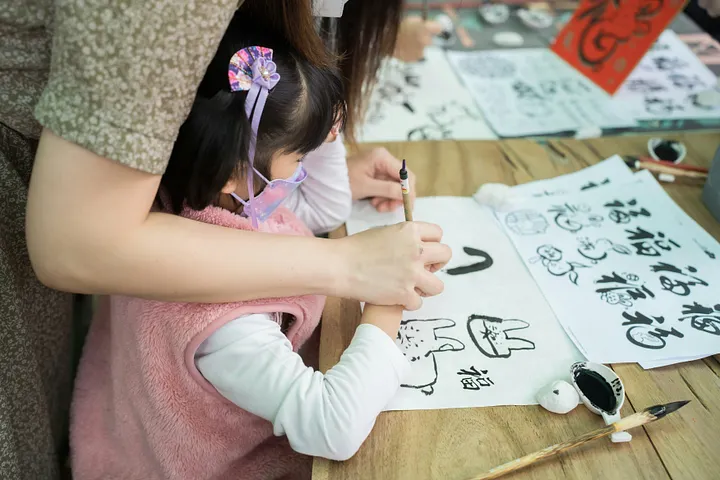
Painting in particular gives kids a physical, tactile way to explore ideas that are too big or too complicated for words. Younger children who don’t yet have the language to explain how they feel can express it through colour and texture. Older kids use art to process experiences, experiment with identity, and build patience through a project that unfolds over time rather than delivering instant results.
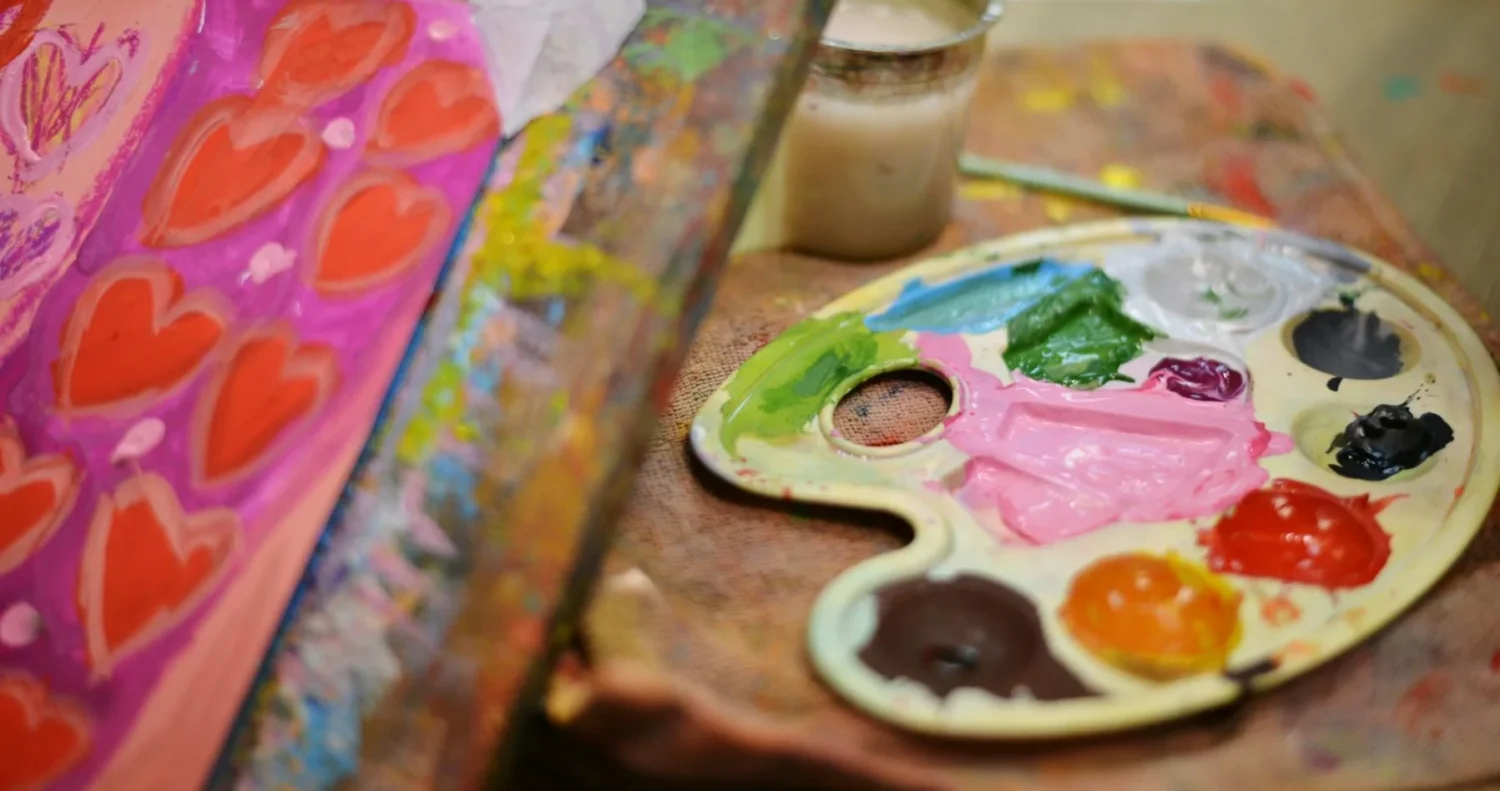
You don’t need fancy supplies to get started, but having decent materials makes a real difference. Cheap paint dries chalky and won’t blend properly, which frustrates kids quickly. A solid set of acrylic paint colours gives them a much better experience because the pigments are vibrant, they mix well, and the results actually look like what the child was trying to create. That small win matters more than you’d think. When the output matches the effort, kids stay engaged. When it doesn’t, they walk away and decide they’re “not good at art.”
Give them the tools to succeed and then get out of the way. Don’t correct their technique. Don’t ask what it’s supposed to be. Just let them work.
Stories Teach Kids What Textbooks Can’t
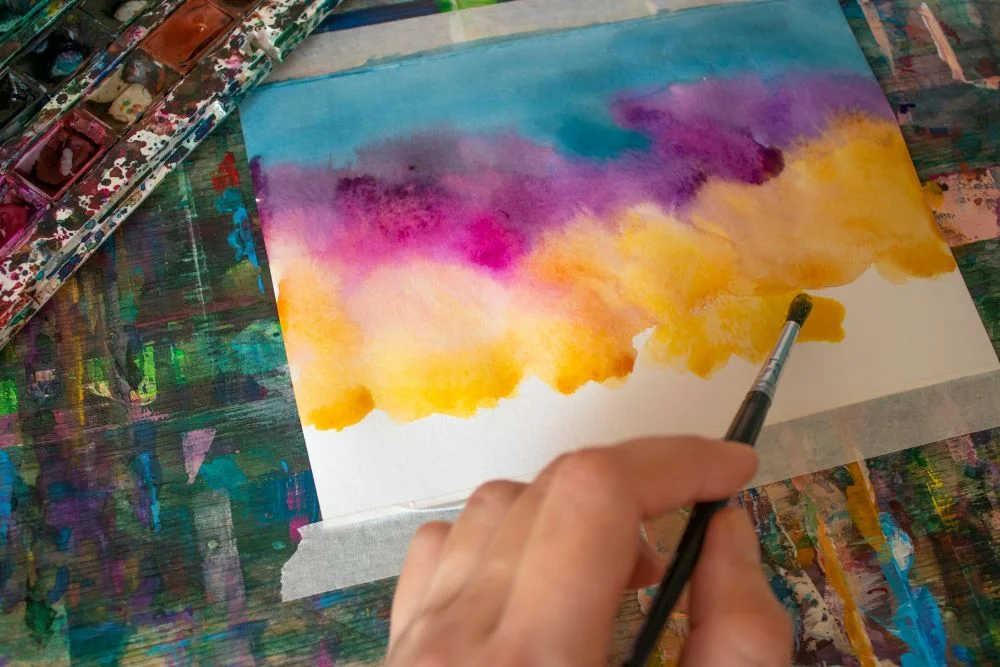
If art is how children learn to see the world differently, storytelling is how they learn to make sense of it.
Kids are natural storytellers. Watch any group of five year olds playing in your backyard and you’ll see it. There’s always a plot. Someone’s the hero. Someone’s the villain. There’s a problem and a dramatic resolution that usually involves lava or dinosaurs or both.
That instinct doesn’t go away as they grow up. It just needs room to develop.
Reading to your children matters enormously, and most parents know that. But what gets overlooked is the value of talking about stories, not just consuming them. Asking questions like “Why do you think that character did that?” or “What would you have done differently?” turns passive listening into active thinking.
As kids get older and start writing their own stories, they stumble into some surprisingly sophisticated concepts without even realising it. Structure. Tension. Cause and effect. The idea that details introduced early in a story should pay off later.
That last one has a name, actually. Writers call it Chekhov’s Gun, the principle that every element in a story should serve a purpose. If there’s a mysterious letter on the mantelpiece in chapter one, it better means something by chapter three. It’s a concept that shapes great fiction, screenwriting, and even how we structure persuasive essays. If your child is showing an interest in writing or storytelling, encouraging them to explore Chekhov’s gun in storytelling is a brilliant way to level up their skills. It teaches them to think intentionally about how they communicate, which carries over into schoolwork, presentations, and everyday conversations.
Storytelling also builds empathy. When a child writes from another character’s perspective, they’re practising the skill of imagining what someone else thinks and feels. That’s not just good for their writing. That’s good for their friendships, their emotional intelligence, and their ability to navigate a complicated social world.
When Creativity Meets the Classroom
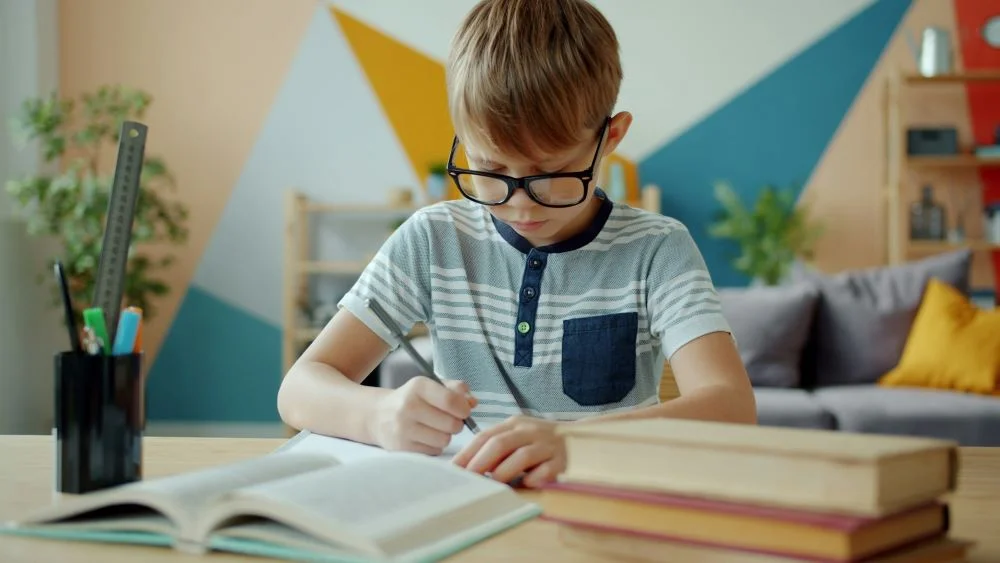
Here’s where things get interesting. Creativity doesn’t just make kids more imaginative. It makes them better students.
Research consistently shows that children who engage in creative activities perform better in traditionally “academic” subjects. It sounds counterintuitive, but it makes perfect sense when you break it down.
A child who paints regularly has stronger fine motor skills, better spatial awareness, and a more developed ability to plan and execute multi step tasks. A child who writes stories has a richer vocabulary, a better grasp of sentence structure, and the confidence to express complex ideas clearly.
These aren’t separate tracks. They feed each other.
But sometimes creativity alone isn’t enough to help a child thrive in a structured learning environment. Some kids are wildly imaginative and still struggle with reading comprehension or number sense. That doesn’t mean anything is wrong. It just means they need targeted support to bridge the gap between their potential and their performance.
This is where good tutoring comes in. Not the kind that drills kids into submission with worksheets and repetition, but the kind that meets a child where they are and builds from there. Quality primary school tutoring services focus on understanding how each child learns, identifying the specific gaps, and closing them with patience and the right approach. The best tutors use a child’s strengths and interests as a starting point. A kid who loves storytelling might learn fractions through narrative problems. A child who’s passionate about art might grasp geometry concepts through drawing and design.
The goal isn’t to replace creativity with academics or the other way around. It’s to make sure one supports the other so the child builds confidence across the board.
Practical Ways to Encourage Creative Thinking at Home
You don’t need to overhaul your entire routine. Small, consistent habits build creative confidence over time.
Keep supplies accessible. Paper, pencils, paint, tape, glue, random craft bits. If kids have to ask permission and wait for setup every time they want to make something, the impulse dies. Put supplies where they can grab them independently.
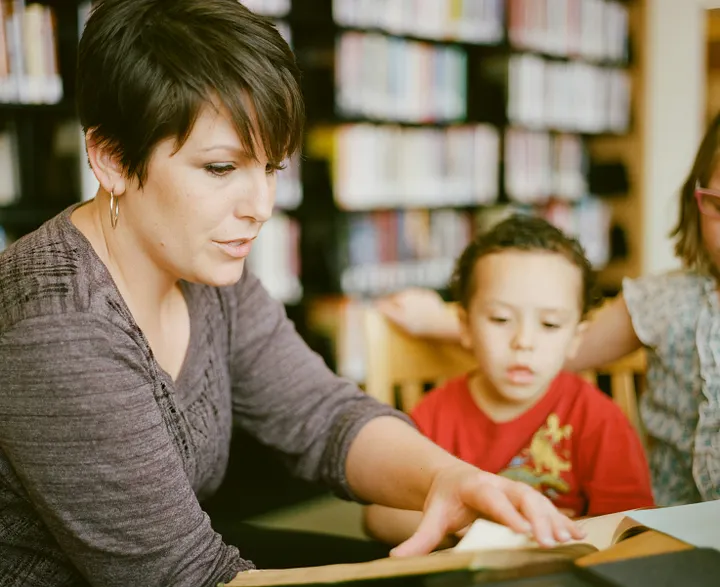
Read together and talk about it. Even after kids can read on their own, shared reading is valuable. Discuss the plot. Predict what happens next. Argue about whether the ending was satisfying. These conversations sharpen critical thinking without feeling like school.
Let boredom happen. This one is tough for parents in the age of screens, but boredom is where creativity lives. When a child runs out of entertainment, they start inventing. Give them that space.
Celebrate effort, not outcomes. “I love how hard you worked on that” beats “That’s so pretty” every time. Kids who are praised for effort are more willing to take risks, try new things, and push through frustration.
Create together. Paint alongside your kids. Write a silly story together. Build something out of cardboard. When children see adults engaging in creative work for fun, not just productivity, it sends a powerful message about what matters.
Screens Aren’t the Enemy (But They’re Not the Answer Either)
Let’s get this out of the way. Screens are not automatically bad for creativity. Some apps and platforms genuinely foster creative skills. Digital drawing tools, animation software, music production apps, coding games. These can be fantastic outlets for kids who think in digital terms.
The problem isn’t the screen itself. It’s passive consumption versus active creation.
Watching someone else play a video game is passive. Building your own game level is creative. Scrolling through short videos is passive. Making a stop motion animation with action figures is creative.
The distinction matters because passive screen time trains the brain to receive and react, while active creation trains it to imagine, plan, and execute. Both have their place. But the balance skews heavily toward passive for most kids, and that’s where the trouble starts.
Set boundaries around consumption. Be generous with screen time that involves making something. And whenever possible, connect the digital stuff back to the physical world. A kid who designs something on a tablet can try building it with real materials. A child who watches a cooking video can get in the kitchen and experiment.
The thread that runs through all of this is agency. Kids who feel like creators rather than consumers develop a fundamentally different relationship with the world. They see problems as things to solve, not things to complain about. They see blank pages as opportunities, not threats.
It All Connects
Creativity isn’t one thing. It’s the thread that runs through art, storytelling, academic learning, problem solving, and emotional growth. When you give kids the space, the tools, and the encouragement to be creative, you’re not just keeping them busy. You’re building the foundation for how they think and who they become.
Paint with them. Tell stories with them. Support their learning when they need a hand. And trust that the messy, unstructured, wonderfully unpredictable process of creating is doing more for their future than any perfectly structured schedule ever could.
The best investment you can make in a child isn’t a program or a product. It’s permission to explore, fail, try again, and make something that didn’t exist before they sat down.
That’s creativity. And it changes everything.
You Might Also Like