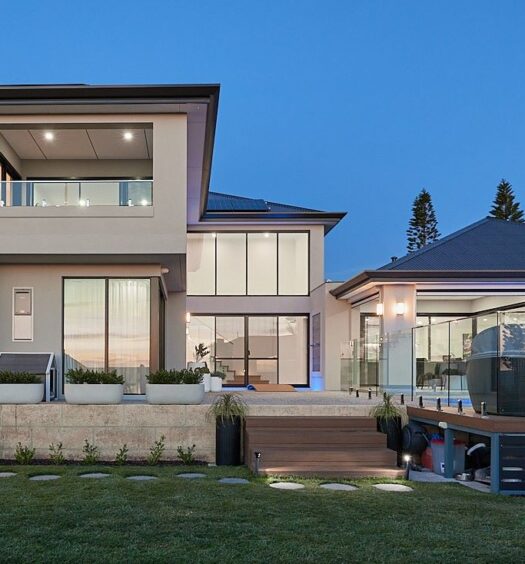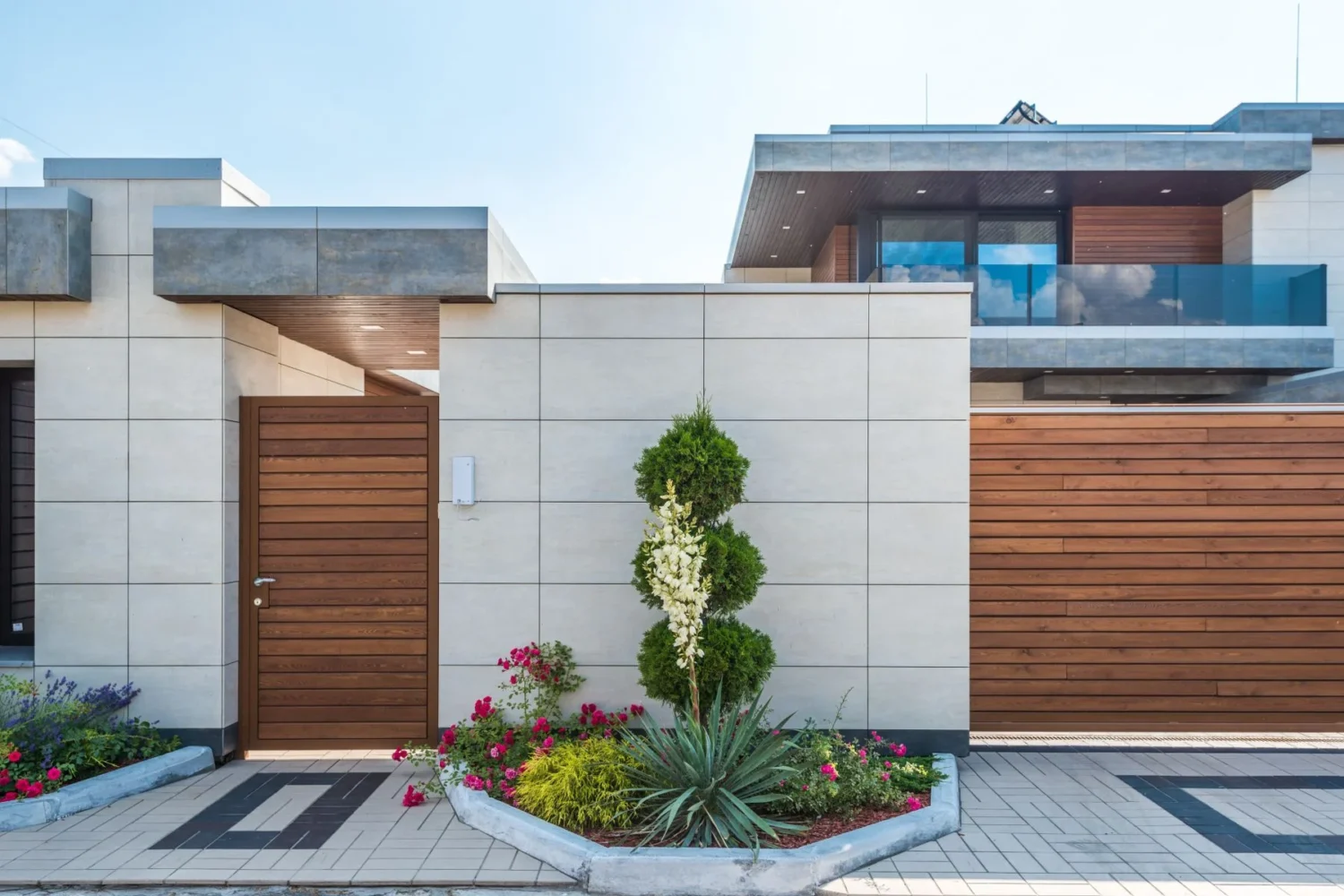

Almost everyone who has undergone the custom home building process wishes they knew something ahead of time. What is it? The decisions that are critical to making the project a success are made much earlier than during the actual building process itself. It is not about selecting tiles and paints but about making the decisions about the structure, layout, and systems, which are essential for a good functioning home. Ignoring the process will cost you dearly.
It is hard to grasp the significance of the process because there are too many possibilities at this stage. Architectural decisions multiply fast, and what is an insignificant choice today may become an absolute constraint later on.
Start With How You Actually Live
Aesthetics seem to have a natural appeal in the very beginning phases of planning a house. Inspiration pictures, materials, and architectural elements would typically feature in such initial discussions since they are pleasant to think about. However, the more efficient starting point is an honest approach towards how you interact with your living space on a day-to-day basis.
Where do people spend most of their time in the house? How does the morning commute happen through the existing living space? Do you have separate rooms for different activities, or is it all happening in one place? Such insights need to be included in the brief along with the design references.
Site Orientation and Its Long-Term Consequences
Where a house sits on its block is one of the first choices to be made, but possibly one of the most difficult choices to get right. Orientation will determine lighting, passive heating and cooling, ventilation, and the interaction between internal and external spaces. This is true within an Australian climate, where summers can be hot and winters really benefit from the sunlight.
A living space facing north receives the low winter sun, while appropriate eaves will deal with heat gain in the summer months. Orienting the east and west windows correctly requires careful planning. Getting it right before construction begins ensures the house is working in harmony with the environment from day one.
Thinking Through Services and Infrastructure Early
Early design conversations often overlook plumbing, electrical, and climate control, missing a valuable opportunity. The placement of wet areas, the routing of ductwork, and the capacity of electrical infrastructure all interact with the floor plan in ways that are much easier to resolve before the design is locked than after.
Climate control is one area that requires special consideration. Summertime in Australia has become more difficult to contend with, and the correct air conditioners to suit a custom-built property are hardly an easy addition after the initial building process is completed. The kind of air conditioner required, the zones which it will cover, the number of openings in the building design, and how it integrates with ceiling heights and cabinetry design are determined by the earlier architectural decisions taken into account.
Budgeting as an Instrument for Designing
It may seem a common practice to perceive a budget as a cap, something that should be handled delicately and not actively. There is a different approach which is adopted by seasoned contractors and architects. Knowing what expenditures are worth making is one of the most valuable lessons early planning can give.
Custom homes usually perform better when the concept of “less is more” is applied. An efficiently designed house of average size will always perform better than an overbudgeted, bigger home. Honest budget talk in the beginning stages of designing allows making such considerations.
Choosing the Right Team
The people involved in a custom build shape the outcome at least as much as any individual decision. A builder with relevant regional experience, a clear communication style, and an honest track record brings genuine value beyond their technical capability. An architect or building designer who listens carefully and understands your priorities is similarly worth seeking out.
These working relationships span a long period. From early planning conversations through to practical completion, you will be making decisions together across hundreds of touchpoints. Choosing collaborators based on fit and trust, not just on price, is one of the more consequential early calls you will make.
Allowing Room for Change
Custom building takes time. It usually takes between 18 months and even up to two years to build a custom home, given the complexity of the design, council approval process, and schedule of the builder involved. During that time, life goes on, and a house without any flexibility may start feeling confining long before the paint dries on the walls.
Allowing for some degree of adaptability in the house by way of its design, which allows for adding rooms that could serve multiple purposes in time, or the provision of adequate electricals and wiring in the future enables the house to adapt to life rather than work against it. It is the type of approach that usually does not cost much but pays off immensely in the decades to come.
The Case for Taking Early Planning Seriously
A custom home rewards careful early planning in ways that accumulate over the life of the build. The decisions made before construction begins, about how to live in space, how to orient it, how to configure its systems, and who to work with, shape what everything else becomes. Giving those decisions proper time and attention is not excessive caution. It is simply what a significant, long-term investment deserves.