

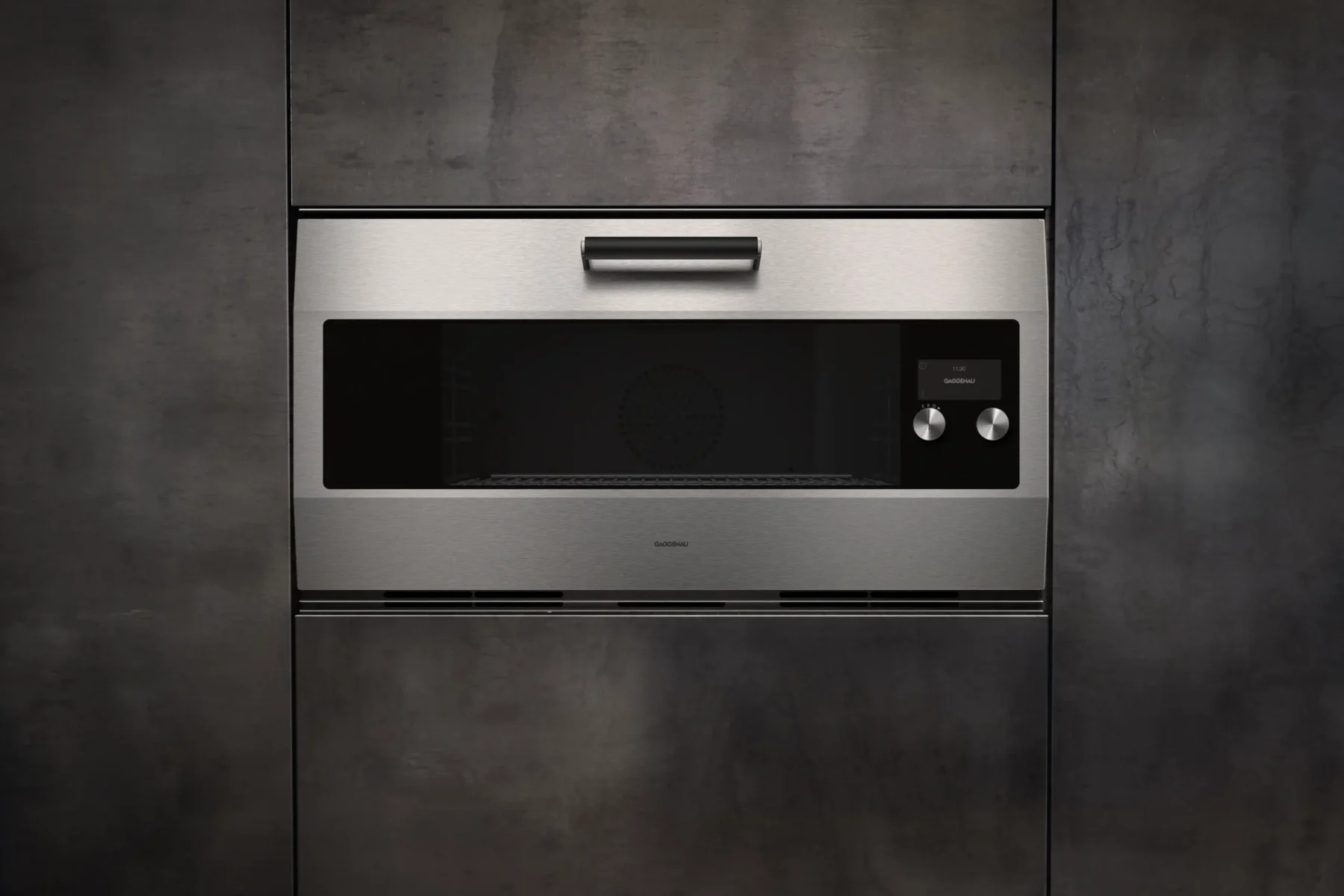

There are certain names that become so closely associated with a particular world that it is easy to forget there was ever a beginning. In luxury kitchens, Gaggenau is one of them. Its appliances are found in highly architectural spaces, in homes where the kitchen has become as much about design, materiality and the way we live as it is about cooking.
Perhaps that is why the history behind the name is so interesting. The Gaggenau we recognise today feels distinctly contemporary, yet its story reaches back to a time before the modern kitchen had even begun to take shape.
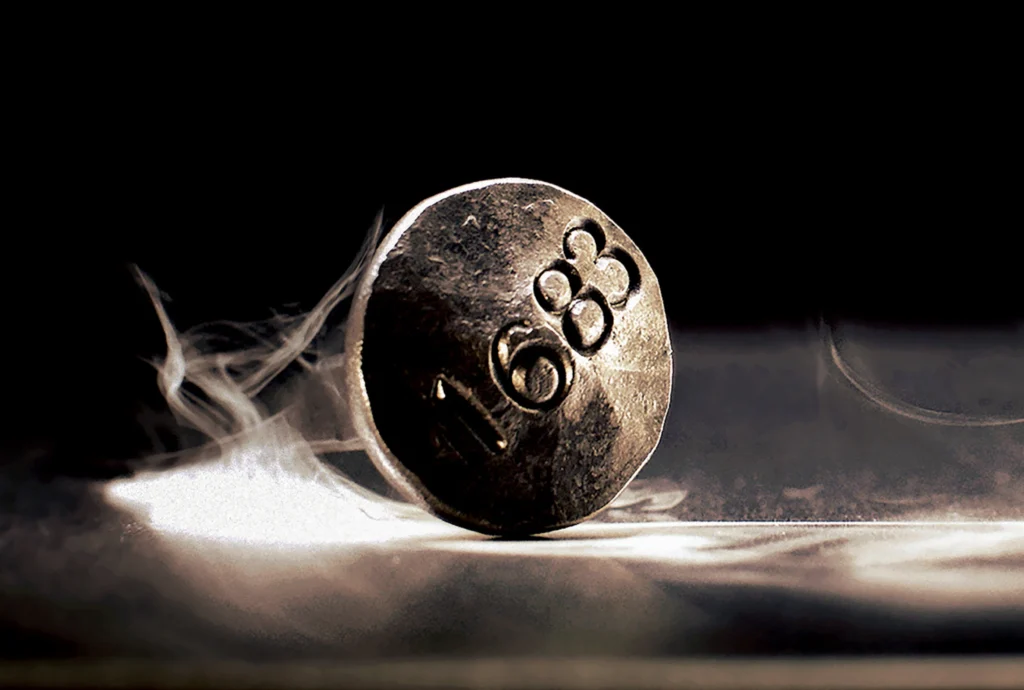
To understand the Gaggenau brand story, you have to go back more than three centuries, to 1683 on the edge of Germany’s Black Forest, where Margrave Ludwig Wilhelm von Baden established a hammer mill and nail forge in the town of Gaggenau. From these beginnings in metalworking, the foundations were laid for a brand that would continue to evolve across generations.
By the late nineteenth century, Gaggenau had become highly skilled in working with enamel, producing exceptionally durable advertising signs. That expertise would later influence the formulation of the distinctive blue enamel used inside Gaggenau ovens, creating a tangible connection between the brand’s industrial past and the appliances it produces today.
As technologies changed, so too did the possibilities within the home. Gaggenau continued to develop with them, combining craftsmanship with a willingness to challenge convention. Innovation was not pursued simply for the sake of being new, but through the lens of function, longevity and the needs of the cook.
A History of Innovation
Gaggenau has played a pioneering role in the development of the modern kitchen.
In 1956, the brand introduced built-in, eye-level ovens alongside separate cooktops and ventilation appliances, helping to pave the way for the fitted kitchen.
During the late 1960s, the influence of Bauhaus principles became increasingly evident in the Gaggenau identity. The belief that form should follow function remains fundamental to the brand’s approach to design, where clarity, proportion and purpose take precedence over unnecessary decoration.
In the 1970s, Gaggenau introduced its first modular Vario cooktops, allowing different specialised cooking appliances to be combined into a highly individual cooking configuration. This modular philosophy continues to influence Gaggenau’s cooktop collections today. Gaggenau was also at the forefront of integrating downdraft ventilation into the cooking environment, introducing its first downdraft solution in 1976.
Another defining moment came in 1986, with the introduction of Gaggenau’s first 90 cm oven. Exceptional in scale and character, the original EB 300 established a design language that has endured for decades. Its successor, the EB 333, remains one of Gaggenau’s most recognisable products and a longstanding icon of the brand.
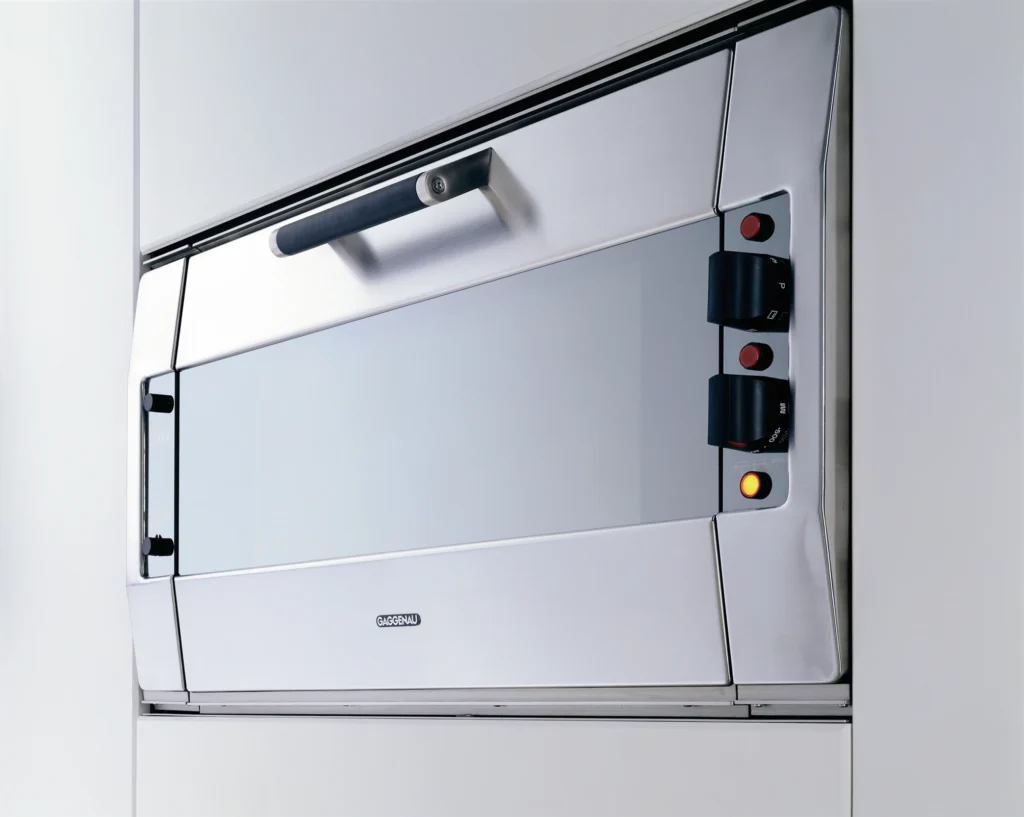
In 1999, Gaggenau brought professional steam cooking technology into the private kitchen with the introduction of the ED 220, the first commercially produced steam oven of its kind for the home.
Innovation continued in 2015, when Gaggenau introduced an automatic cleaning system for its combi-steam ovens, bringing another professional-inspired capability into the domestic environment.
The Professional Kitchen Principle
Central to Gaggenau’s philosophy is what the brand calls the professional kitchen principle.
Professional chefs expect their equipment to perform with precision, respond intuitively and withstand intensive use. Gaggenau applies these same principles to appliances created for the private kitchen, translating professional performance into an environment designed for the home.
This philosophy goes beyond individual features. The aim is to create appliances that enable the private chef to concentrate on the experience of cooking, just as a professional chef focuses on the ingredients and the dish being created.
Performance, therefore, is considered alongside design, materials and usability. Each element must contribute meaningfully to the whole.

Craftsmanship in a Modern World
Despite continual technological advancement, craftsmanship remains intrinsic to Gaggenau.
The brand’s heritage in working with metal, enamel and other authentic materials continues to influence how its appliances are conceived and produced. Throughout manufacturing, skilled craftspeople inspect and finish components by hand, combining human judgement with advanced engineering.
The EB 333 is one of the clearest expressions of this approach. Predominantly handcrafted, the 90 cm oven represents the connection between Gaggenau’s industrial heritage and its contemporary position in the luxury kitchen.
This attention to detail reflects a belief that luxury is found not simply in appearance, but in how something is made, how it performs and how it feels to use over time.
Design with Purpose
Gaggenau’s design philosophy is grounded in the belief that beauty should serve a purpose.
Its appliances are conceived not simply as functional objects, but as architectural elements within the kitchen. Authentic materials, precise proportions and restrained detailing allow them to establish a presence without overwhelming their surroundings.
Influenced by the clarity and functionalism of Bauhaus design, Gaggenau’s aesthetic is intended to be contemporary yet enduring. Rather than following temporary trends, the focus is on creating objects that maintain their relevance over time.
Across its collections, appliances are designed to work together both functionally and visually, allowing cooking, refrigeration, ventilation and cleaning to form part of a considered architectural composition.

More than Three Centuries of Evolution
From a seventeenth-century forge in the Black Forest to today’s highly considered luxury kitchens, Gaggenau’s evolution has been shaped by a consistent set of principles: precision, perseverance, passion, craftsmanship and purposeful innovation.
While technologies and lifestyles have transformed considerably since 1683, the underlying approach remains remarkably consistent. Gaggenau continues to draw upon its heritage while looking forward, applying centuries of accumulated knowledge to the way its appliances are designed, engineered and crafted today.
It is a history defined not by preserving the past unchanged, but by using it as the foundation for what comes next.
Discover the full range of luxury appliances at the Gaggenau website.
Tags
340 Years of Gaggenau Behind the Brand Gaggenau Gaggenau brand story Gaggenau craftsmanship Luxury Kitchen designYou Might Also Like


