

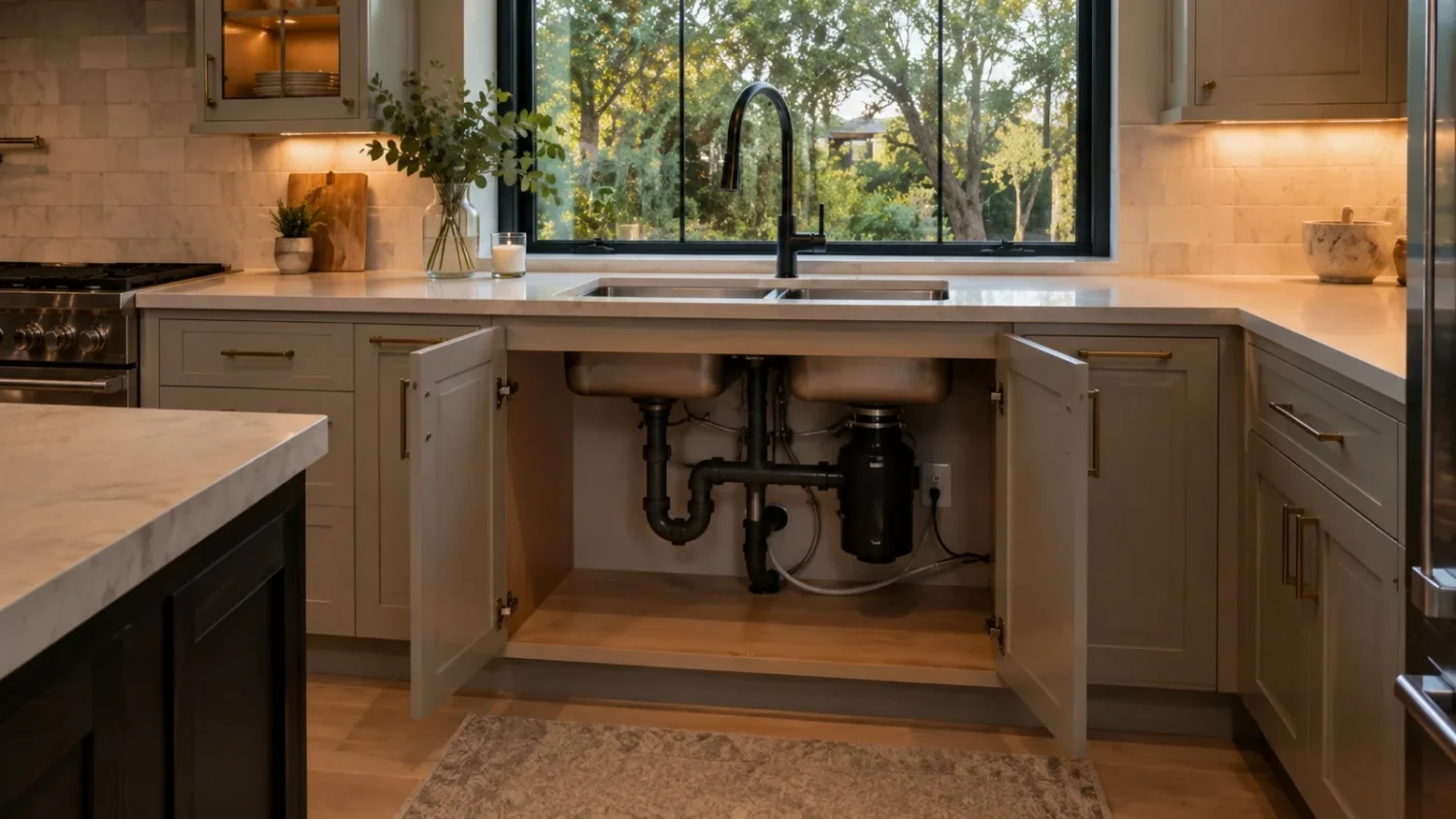

Repeated blockages, slow-draining sinks, bad smells, gurgling sounds, damp patches, and water backing up around your property can all point to damage inside the pipe rather than a simple surface blockage. You may also notice the same section of pipe needing repairs again and again.
Pipe relining may be suitable when the pipe is still holding its shape but needs repair from the inside. In many cases, homeowners start comparing pipe relining vs replacement when they want to understand if the damaged pipe can be repaired internally or if a section needs to be dug up and replaced. A plumber can inspect the line with a CCTV drain camera to check for cracks, root intrusion, weak sections, or collapsed areas. If the structure is still workable, relining can create a new internal layer inside the existing pipe to help seal damage and improve flow.
What is pipe relining?
Pipe relining is a plumbing repair method that fixes certain damaged pipes from the inside, rather than digging them up and replacing the full pipe. A plumber cleans and inspects the existing pipe, then installs a resin-coated liner inside the damaged section. Once the liner sets, it forms a new internal layer that helps seal cracks, cover small gaps, smooth rough pipe walls, and reduce entry points for tree roots.
What are the stages of pipe relining?
The plumber first clears the pipe so they can properly inspect the damaged section. This may involve removing built-up grease, soil, debris, or tree roots that are blocking the line. Plumbers follow these stages of pipe relining:
– Send a CCTV drain camera through the line.
– Measure the damaged section and prepare the liner to fit the pipe. They coat the liner with resin so it can harden once they place it inside the pipe.
– Feeds the prepared liner into the existing pipe and positions it across the damaged section. This creates the base for the new internal pipe wall.
– Expand the liner against the inside wall of the pipe and leave it to cure. As the resin hardens, it forms a strong internal layer inside the old pipe.
– The plumber checks the pipe again with a CCTV camera. This confirms that the liner has set correctly and that the repaired section is clear.
Tradies may suggest a different repair if the pipe is too damaged for relining. This can happen when the pipe has collapsed or become too broken for the new liner to sit and seal properly. Replacing the damaged section may fix the problem more reliably than relining it.
#1 The same section of pipe keeps needing repairs
When the same section of pipe keeps causing trouble, it means the problem is not just a one-off blockage. A drain may work for a short time after being cleared, then block again because the pipe has an underlying fault.
Pipe relining may help when the damaged section still has enough structure to support an internal liner. Instead of digging up the pipe and replacing the full section, the plumber may install a new lining inside the existing pipe. This can help seal cracks and reduce entry points for tree roots.
#2 There are visible cracks in outdoor drains or inspection openings
This can happen when the ground around the pipe shifts after heavy rain. Outdoor drains also deal with pressure from foot traffic, garden movement, vehicles, landscaping work, and changing weather. Once the area around the drain starts to move, the pipe or inspection opening may no longer sit as neatly as it should.
If ignored, cracked outdoor drains or inspection openings can lead to problems such as:
– Water escaping into the surrounding soil
– Soft, sinking, or uneven ground around the drain
– Tree roots entering through small cracks
– Repeated blockages as debris catch inside the damaged section
– Bad smells around the drain when wastewater does not move
– More expensive repairs if the damaged section becomes worse
The plumber can seal damaged areas from the inside and help stop water, soil, and roots from entering through the same weak spots again.
#3 The toilet water level rises or drops unexpectedly
When the water level in your toilet rises too high or sits lower than usual, the drain line may not be moving air and water properly. Toilet paper, tree roots, or debris may be partially blocking the drain line. Water then struggles to move through the pipe, so it may push back toward the toilet or drain away unevenly. In some homes, the issue comes from cracked pipes, shifted joints, or rough internal pipe walls that keep catching waste.
A few simple habits can help reduce toilet drain problems:
– Flush toilet paper and human waste only
– Avoid flushing wipes, paper towels, cotton pads, and sanitary products
– Watch for bubbling, slow flushing, or changing water levels
– Keep an eye on trees growing near sewer or drainage lines
– Call a plumber early if the same issue keeps happening
If the pipe has collapsed or lost its shape, your plumber may recommend another repair option. If the pipe is still workable, relining can help fix the deeper issue instead of repeatedly clearing the same blockage.
#4 Patches of grass look green or soggy
A patch of grass that suddenly looks greener. You might notice one area that stays damp even when it has not rained, or a section of lawn that feels soft underfoot. Extra moisture may be coming from a damaged drain, sewer line, or stormwater pipe below the surface.
If the pipe carries wastewater, the area may also have a bad smell, attract insects, or stay unusually wet even during dry weather. That kind of patch is worth checking because the problem may be hidden underneath the yard, not on the surface.
#5 You keep needing emergency drain callouts
Emergency drain callouts happen when homeowners only deal with the blockage, not the cause. Clearing the drain gets things moving again, but it does not seal a crack, close a root entry point, or fix a shifted pipe. That is why the same drain may keep backing up at the worst times, like after a big family dinner, during laundry day, or when it rains heavily.
To reduce repeat drain emergencies, it helps to act early when the same issue keeps returning.
Pay attention to warning signs like:
– Slow drainage
– Gurgling sounds
– Bad smells
– Toilet water rising
– Water backing up
If the same line keeps blocking, ask your plumber for a CCTV drain inspection. Once the plumber finds the real cause, they can explain if pipe relining is suitable. Relining may help when the same drain keeps failing because of cracks, root entry, rough internal walls, or weak sections that can still support a new internal liner.
#6 Paving, concrete, or tiles start shifting near drain lines
As water escapes underground, it can soften the soil and wash away the support underneath paving, concrete, or tiled areas. The ground then starts to shift,or sink. In some cases, tree roots growing around the drainage line can also push against nearby surfaces and move them out of place. Heavy rain may make the issue more noticeable because the weakened ground absorbs even more water.
A cracked or leaking pipe under a driveway, patio, pathway, or outdoor entertaining area can keep causing movement underneath until the surface damage becomes harder and more expensive to repair.
#7 You notice mould or mildew near plumbing areas
This can happen when a damaged pipe slowly leaks behind walls, under floors, or inside cabinetry. . In drainage systems, cracked pipes, weak joints, or damaged sections may let moisture escape slowly over time without creating a major visible leak straight away. The area may never look flooded, but the constant dampness can still affect nearby plaster, timber, paint, flooring, or storage areas.
Hidden moisture problems can show up as:
– Mould that keeps coming back after cleaning
– Poor airflow in bathrooms, laundries, or wet areas
– Moisture signs appearing in the same spot repeatedly
A plumber can inspect nearby pipes, drainage lines, and fittings to work out whether hidden plumbing damage is contributing to the moisture problem. If damaged drainage pipes are allowing moisture to escape and the pipe is still suitable, pipe relining may help seal the problem from inside the line before the surrounding moisture damage spreads further.
#8 There is evidence of corrosion, or internal wear
Pipes naturally wear down especially in older homes or properties with ageing drainage systems. You might notice drains becoming slower than they used to be, toilets needing more than one flush, recurring blockages, or water taking longer to clear after heavy use. Homeowners should take this seriously when drainage problems become more frequent, especially if multiple fixtures around the house start acting differently at the same time.
If ignored, it can lead to problems such as:
– Waste and debris catching more easily in narrowed areas
– Tree roots finding entry points through weakened sections
– Drainage pressure problems across multiple fixtures
If corrosion or scaling has started affecting the pipe’s shape, flow, or strength, the next step is deciding if internal repair remains practical or if the damaged section needs a more direct replacement. Getting that answer early helps homeowners avoid guesswork and plan repairs before the line becomes harder to restore.
Pipe relining can be a practical option for suitable damaged pipes
Think about the last few months around your property. Have you already dealt with recurring blockages, strange smells, slow drains, damp patches, or movement around outdoor drains more than once? Many homeowners clear the symptom and move on, even though the same warning signs keep returning. Pipe relining may help when those signs point to damage inside a pipe that still remains structurally workable.
The longer the issue continues, the more pressure repeated leaks, roots, and internal wear can place on the drainage system. Instead of waiting for another emergency backup or overflow, challenge yourself to find out what condition the pipe is actually in. The smartest repair decision starts with simply getting the line checked properly.
You Might Also Like


