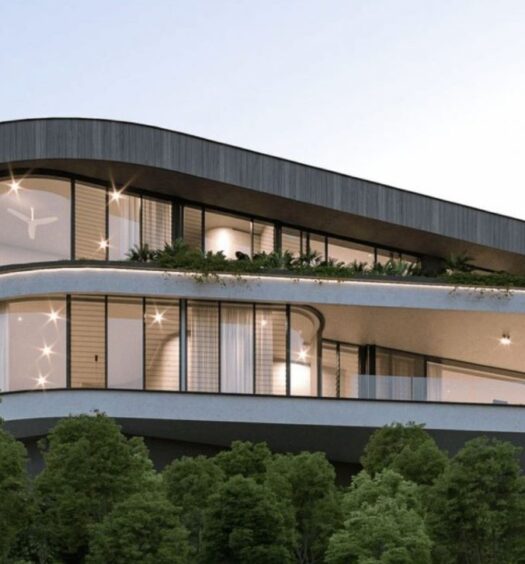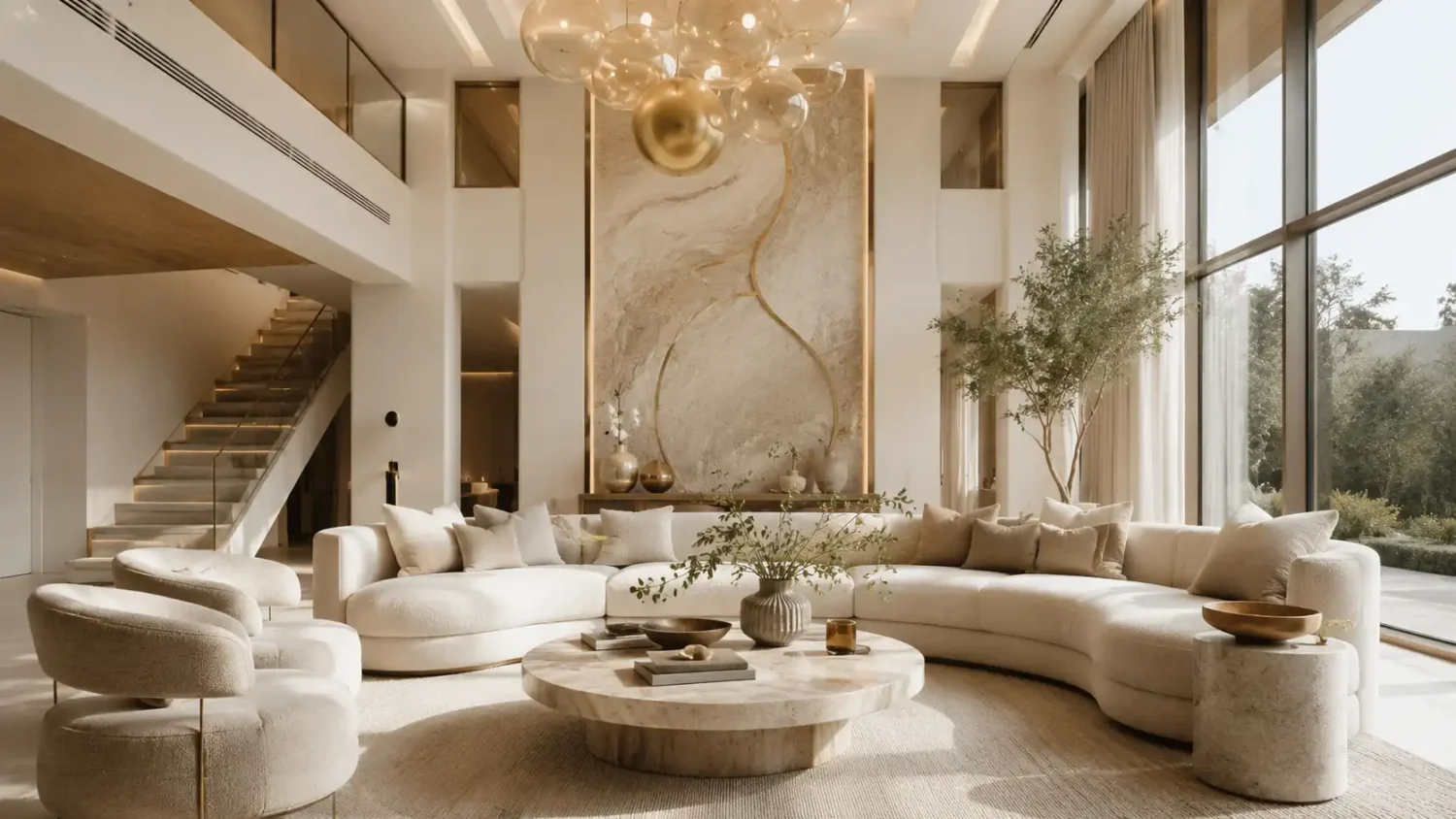

The moment of handover on a custom home is often less satisfying than homeowners expect. The architectural shell looks exactly as planned, the finishes have been carefully selected, the kerb appeal photographs beautifully, and then the family moves in their existing furniture and the whole interior somehow feels less than the sum of its parts. The problem is rarely the architecture. It is almost always the furniture brief, which was treated as a finishing detail rather than a parallel design conversation.
Furnishing a new home well requires the same kind of design thinking that goes into the build itself. The proportions of each piece, the relationship between rooms, the rhythm of texture and material, and the way each item ages over time all deserve as much consideration as cabinetry or stonework. The homes that look effortless in the architectural press are almost always the result of deliberate furniture decisions made before the home was finished, not after.
The Brief Begins With the Floor Plan
The most consistent mistake homeowners make is waiting until the build is complete before thinking about furniture. By the time the rooms are empty and the keys are in hand, dimensions have been locked in, power points are where they are, and the decisions about where furniture sits become reactive rather than considered. The result is the awkward placement that almost every new build photographs reveal on second glance.
Starting the furniture conversation during the design phase is the highest-leverage shift homeowners can make. Sofa proportions inform window heights. Dining table sizes inform pendant placement. Bed sizes inform power point heights and bedside lighting. The architects and designers who push for early furniture conversations consistently deliver more resolved interiors than those who treat it as a separate workstream.
The Scaled Floor Plan Conversation
Working with a scaled floor plan and accurate piece dimensions removes most of the guesswork. Reputable furniture studios will provide drawings to scale for the major pieces, and these can be overlaid on architectural plans to check clearances, traffic flow, and visual balance long before purchases are committed. The exercise reveals issues that even experienced architects can miss, particularly around door swings, rug placement, and the geometry of conversational seating.
Material and Finish Coherence
The interiors that read as cohesive are those where material and finish choices echo across rooms without becoming repetitive. A timber that appears in the kitchen island might reappear as a dining table top, or as the legs of a credenza in the entry. A linen used on the principal bedroom drapery might inform the upholstery palette for the formal lounge. The result is a sense of intentionality that feels luxurious without being ostentatious.
Working with a coherent supplier of designer furniture simplifies this dramatically because the range itself is built around a unified material and aesthetic philosophy. Sourcing across multiple disconnected suppliers can produce wonderful results but requires much more deliberate art direction to avoid the cluttered showroom effect.
The Role of Patina
One of the quiet pleasures of well-chosen furniture is the way it improves with age. Solid timber develops a softer surface as it absorbs the marks of family life. Quality leather darkens and softens. Wool upholstery becomes more inviting. Choosing pieces that age this way rather than ones that simply wear out is one of the most underrated decisions in furnishing a forever home. The Green Building Council of Australia notes that long-lifespan materials are also among the most sustainable choices a homeowner can make over the life of a property.
Buying for Now Versus Buying for the Long Term
The case for investing in core pieces is rarely about money in isolation. It is about the relationship between a piece, the home, and the family. The sofa that the family will use every evening for fifteen years deserves more consideration than the side table next to it. The dining table that will host every Christmas for two decades deserves more than the spare chair in the corner.
The most useful planning exercise is to identify the five or six pieces that will define the daily experience of the home. The bed in the principal suite. The sofa in the main living area. The dining table. The desk in the home office. The lounge chair where the morning coffee is drunk. Invest in those decisively, with reference to materials and makers that will earn the investment over time. Allow more flexibility on the supporting pieces, where rotation and replacement is part of how the home evolves.
Lead Times Are Part of the Plan
Custom and made-to-order furniture pieces frequently carry lead times of three to six months. For homeowners on a tight handover deadline, this means the furniture brief should be settled at the same time as the building contract. Trying to compress the furniture process into the last four weeks before practical completion almost always produces compromises, either in piece selection, finish quality, or the depth of considered art direction.
Lighting Deserves Its Own Brief
Lighting is the connective tissue of an interior, and it is the single most underspecified element in most new builds. Pendant placement, task lighting, ambient layers, and the colour temperature of every fitting all contribute to whether a room feels warm or clinical, intimate or oppressive. Working with a lighting designer alongside the furniture brief allows for considered relationships between pendants and tables, wall sconces and reading chairs, and floor lamps and the lounge geometry. The Standards Australia framework provides reference points for lighting quality and energy compliance that designers work with as a baseline.
The Outdoor Room Should Not Be an Afterthought
Australian homes increasingly treat the outdoor living area as an additional room rather than an exterior accessory. The furniture, fabrics, and finishes used outdoors deserve the same design consideration as the interior, particularly given the year-round role outdoor spaces play in homes across the country. Pieces specifically engineered for marine-grade durability, with covers and frames that withstand UV and salt exposure, are now widely available from quality designer makers.
Common Pitfalls and How to Avoid Them
Three pitfalls account for most of the regret expressed by homeowners about their furniture decisions. The first is buying in stages without a master brief, producing rooms that feel inconsistent even if individual pieces are good. The second is over-prioritising the principal living area and leaving secondary rooms underconsidered, which usually means those rooms never feel finished. The third is rushing the principal bedroom, where the bed and bedside arrangement set the tone for daily life more than any other furniture decision.
The antidote across all three is the same. Treat the furniture brief as a parallel design project, not a finishing task. Start it early, work with materials and proportions that will age well, and resist the temptation to fill rooms quickly. A home with three excellent pieces and considered empty space almost always feels more refined than a home where every wall is covered with average choices.
The Long View
The most beautiful homes are the ones where every room feels considered without feeling staged. Achieving that quality is less about budget than it is about discipline. Decide what the home is for. Choose the pieces that will earn their place across decades. And allow the home, once furnished, to settle into the family that lives in it. That is the difference between a curated showroom and a home that ages with grace.
You Might Also Like