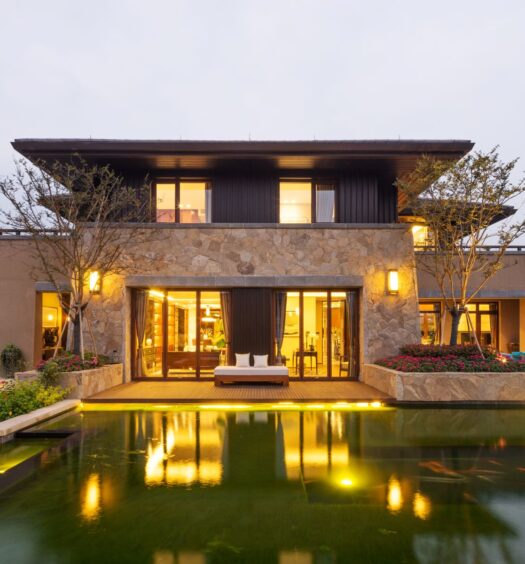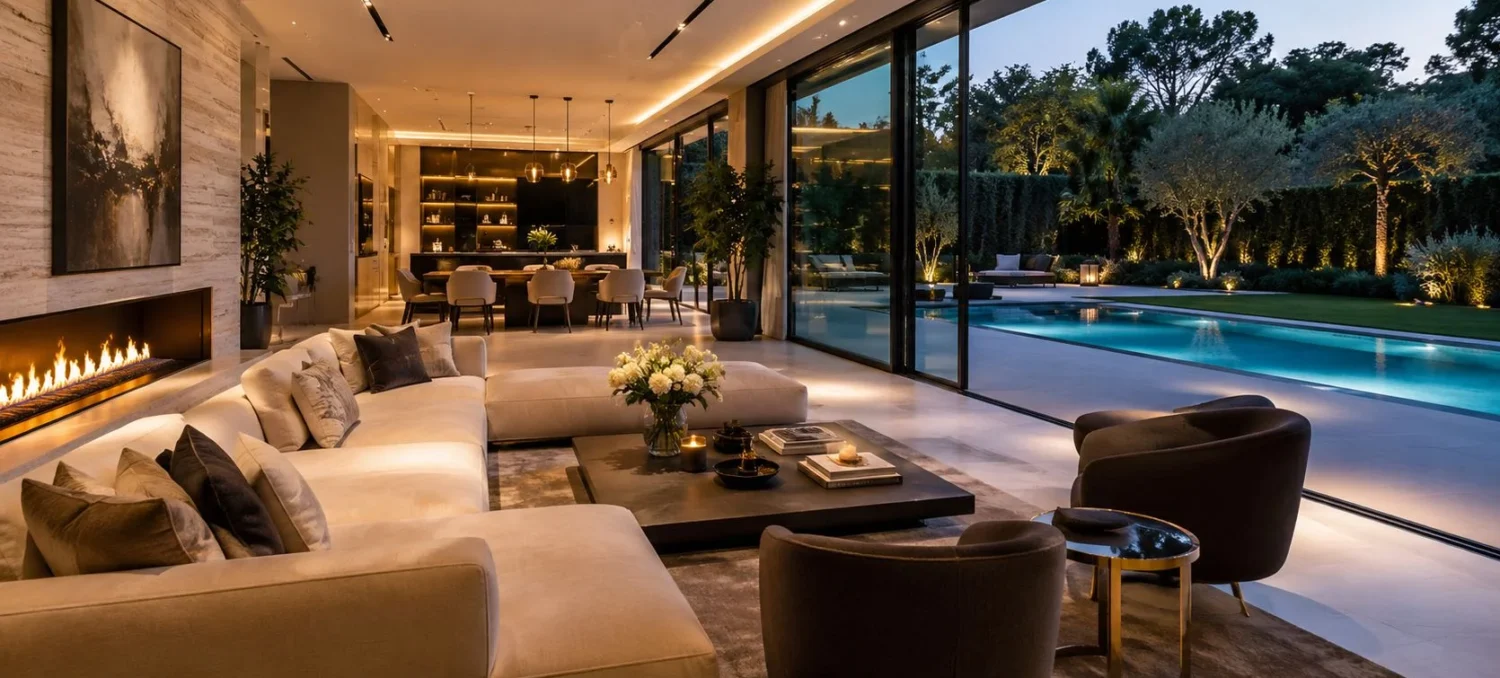

The most memorable homes rarely look their best on the day they are finished.
Fresh paint is clean. Timber is sharp. Metal gleams. Stone appears untouched. Yet what often separates a well-designed home from a truly enduring one is not how it photographs at handover, but how it evolves ten, twenty, or even fifty years later.
Architects and designers talk frequently about timelessness, but timeless design is not simply about choosing neutral colours or avoiding trends. More often, it comes down to material decisions. It is the surfaces that soften, weather, deepen and develop character over time that tend to give a home lasting presence.
A beautifully ageing home does not resist change. It absorbs it.
That distinction is becoming increasingly important in Australian residential design, where clients are thinking less about immediate impact and more about longevity, maintenance, and how a home will feel decades from now.
The Shift from “New” to “Enduring”
For years, residential construction has rewarded the appearance of perfection. Crisp edges. Uniform finishes. Clean white surfaces untouched by wear.
But there has been a noticeable shift.
More homeowners are asking how materials will age rather than simply how they will look once installed. Designers are being asked different questions during specification conversations. Instead of Will this match the palette?, the discussion increasingly becomes What will this look like in ten years? Will it still feel good to live with?
That change reflects a broader shift in how people think about home ownership.
Homes are no longer seen only as completed products. They are viewed as long-term environments that evolve alongside the people living in them.
And materials sit at the centre of that relationship.
Why Some Materials Improve with Time
Not every material ages well.
Some deteriorate visibly. Some date quickly. Some require constant maintenance to preserve their original appearance. Others begin losing their appeal almost immediately after installation, particularly when chosen to follow short-term design trends.
Then there are materials that improve because they are allowed to change.
Timber develops depth through use and exposure. Natural stone softens visually through wear. Brass darkens and gains richness. Linen relaxes. Leather develops patina. Concrete gains texture.
These changes are not flaws. They become part of the architectural character.
One of the most overlooked truths in residential design is that materials with personality often reveal themselves slowly.
A home can feel finished on day one. But the materials continue designing it long after the builder leaves site.
Patina as a Design Feature, Not a Defect
Patina is often misunderstood.
In many building conversations, ageing is framed as deterioration to be prevented. But historically, some of the world’s most admired buildings are admired precisely because materials were allowed to weather naturally.
Copper roofs deepen in tone. Bronze fixtures develop warmth. Timber silvering outdoors becomes part of the landscape. Stone absorbs subtle signs of climate and movement.
These shifts create visual depth that manufactured finishes often struggle to replicate.
There is also a psychological reason people respond so strongly to naturally aged materials.
Perfect surfaces can feel impressive, but imperfect surfaces feel human.
They carry evidence of time. They hold memory. They become familiar.
A home that ages beautifully often feels more emotionally connected to the people living in it because its surfaces reflect lived experience rather than resisting it.
Material Decisions Often Determine Maintenance More Than Design
One of the practical tensions in residential construction is that visual design decisions are often made early, while maintenance consequences arrive much later.
The finish selected in a showroom can behave very differently after years of weather, sunlight, moisture, cleaning products, movement, or everyday use.
This is where material specification becomes less aesthetic and more operational.
Builders understand this well. A material that looks exceptional on install day can create years of maintenance issues if it was chosen without considering climate, exposure, or long-term wear.
The opposite is also true.
Some of the strongest material choices do not feel dramatic upfront. They simply continue performing year after year with minimal intervention.
Good design often receives praise immediately.
Good material specification is usually appreciated later.
Why Metal Continues to Play a Bigger Role in Long-Term Design
Metal finishes have become increasingly prominent in contemporary Australian homes, particularly where designers want durability combined with warmth and texture.
Used thoughtfully, metal introduces contrast without feeling decorative for decoration’s sake. It can feel structural, tactile, refined, or industrial depending on how it is detailed.
What makes metal particularly compelling in homes designed for longevity is how it changes.
Unlike synthetic finishes designed to remain visually static, metals tend to evolve.
Copper in particular has become increasingly attractive to architects and designers because it brings both performance and character. Its surface naturally shifts over time, moving through richer tones as it responds to environment and use.
Many builders sourcing through specialist copper suppliers are increasingly using copper not only for practical construction applications but also for visible architectural detailing, where ageing becomes part of the design language itself.
That makes it unusual among building materials.
It performs technically while continuing to visually transform.
Designing with Time in Mind Changes the Conversation
Designing a home that ages beautifully requires a different mindset.
It asks clients to think beyond immediate styling decisions and consider slower questions.
How will this material feel after daily use?
What happens when light changes over the years?
Will wear improve the finish or fight against it?
Can this surface be repaired, restored, or refinished?
Will this still feel relevant when design trends shift?
These are harder questions than choosing colours or fixtures. They require thinking in decades instead of months.
But they often produce stronger homes.
The best long-term material choices are rarely the most attention-seeking. They are the ones that continue earning their place over time.
Homes That Last Tend to Feel More Grounded
There is something noticeably calming about homes designed around enduring materials.
They feel less disposable.
Less trend-driven.
Less dependent on looking untouched.
Instead, they feel grounded in permanence.
This may explain why so many contemporary homes are moving back toward natural textures, honest finishes, and materials that show their age rather than conceal it.
Because age is not always the enemy of design.
Sometimes it is the thing that completes it.
Final Thoughts
Designing homes that age beautifully is not about predicting trends. It is about choosing materials with the confidence to evolve.
The strongest homes are rarely those frozen in perfect condition. They are the ones that become more compelling with time, where surfaces soften, tones deepen, and the architecture feels increasingly connected to place and use.
A well-designed home does not simply survive ageing.
It becomes better because of it.
And in that process, material choice becomes more than a finishing decision. It becomes part of the home’s future identity.
That is why architects, builders, and increasingly homeowners are paying closer attention to the long-term behaviour of the materials they specify, including trusted copper suppliers and other specialists whose materials are selected not just for installation, but for how they will live on within the building for years to come.
You Might Also Like